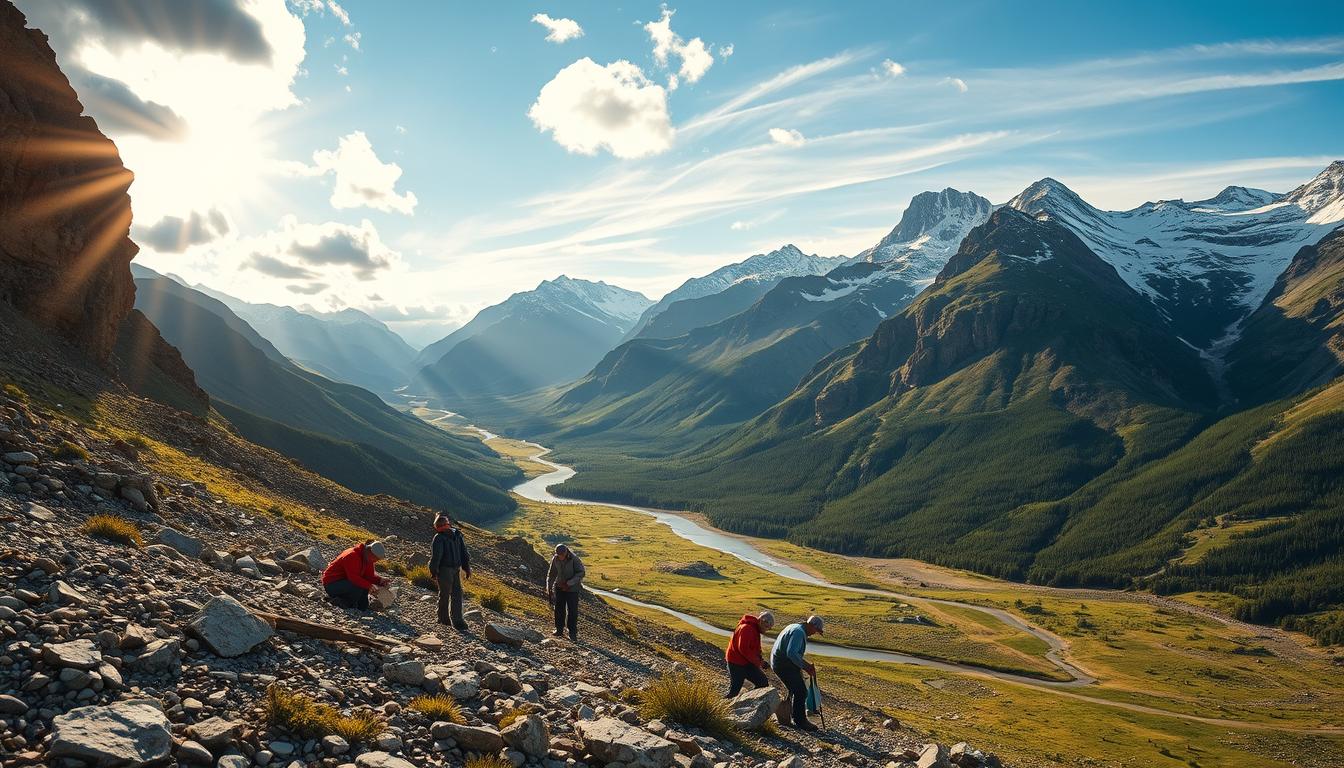
Rockhounding Colorado offers some of the best mineral collecting opportunities in the United States, with the state’s diverse geology producing everything from stunning quartz crystals to rare gemstones. The Rocky Mountain region contains over 1,000 different mineral species, making it a paradise for both beginners and experienced collectors.
Colorado’s rich mining history has left behind countless opportunities for rockhounds to discover beautiful specimens. From the famous Pikes Peak region known for smoky quartz and amazonite to the Western Slope’s uranium minerals, each area offers unique treasures waiting to be found.
TL;DR
- Colorado contains over 1,000 different mineral species across 15+ prime rockhounding locations.
- Pikes Peak produces world-class smoky quartz crystals up to 12 inches long and blue amazonite specimens.
- Free collecting is available at 8+ public locations including Crystal Peak and Deckers.
- Prime collecting season runs May through October when mountain roads are accessible.
Rockhounding Colorado: Top Locations and What You’ll Find
Colorado’s geological diversity creates distinct collecting zones, each offering different mineral species and collecting experiences. The Front Range, Western Slope, and San Juan Mountains each have their own mineral signatures based on the underlying rock formations and mining history.
The state’s high altitude and variable weather mean timing your trips correctly makes a huge difference in success. Most productive sites sit above 8,000 feet elevation, making summer and early fall the prime seasons for serious collecting.
Pikes Peak Region
The Pikes Peak area stands as Colorado’s most famous rockhounding destination, producing museum-quality specimens of smoky quartz and amazonite. This granite batholith contains numerous collecting sites within a 20-mile radius of Colorado Springs.
Crystal Peak
Crystal Peak offers free collecting on public land with easy access via Forest Road 384. The site produces clear and smoky quartz crystals, amazonite, and topaz in pegmatite pockets scattered across the mountainside.
- Best finds – Smoky quartz crystals up to 6 inches, blue amazonite, clear topaz
- Access – High-clearance vehicle recommended, open May-October
- Tools needed – Rock hammer, chisels, safety glasses, collecting bucket
Deckers
The Deckers area along the South Platte River provides excellent topaz hunting in decomposed granite. Multiple collecting sites spread along Forest Road 211 offer different mineral possibilities.
- Topaz Butte – Blue and clear topaz crystals in feldspar-rich zones
- Devils Head area – Amazonite and smoky quartz in granite outcrops
- Goose Creek – Stream collecting for garnet and small quartz crystals
Western Slope Uranium Country
The uranium-rich areas around Grand Junction and Moab produce colorful secondary uranium minerals that glow under UV light. These minerals formed as uranium ore weathered and created brilliant yellow, green, and orange specimens.
Uravan Mineral Belt
This historic uranium mining district contains numerous abandoned mines and prospect pits where collectors find uranium minerals. Always check land ownership and avoid entering mine workings for safety.
- Carnotite – Bright yellow uranium mineral that fluoresces green
- Tyuyamunite – Yellow-green uranium vanadate with strong fluorescence
- Zippeite – Orange uranium sulfate forming small crystals
Safety First with Radioactive Minerals
Always carry a Geiger counter when collecting uranium minerals and limit exposure time. Store specimens in well-ventilated areas away from living spaces.
San Juan Mountains
The volcanic San Juan Mountains contain numerous mining districts where collectors find silver minerals, fluorite, and rare species. The high elevation means a short collecting season but excellent mineral diversity.
Creede Mining District
Creede’s silver mines produced beautiful fluorite crystals and silver minerals that collectors still find on old mine dumps. The purple fluorite from this area ranks among Colorado’s finest.
- Purple fluorite – Cubic crystals up to 2 inches in vein quartz
- Barite – White and clear crystals in mine tailings
- Galena – Lead sulfide cubes with bright metallic luster
Lake City Area
Multiple mining districts around Lake City offer diverse collecting opportunities from June through September. High altitude locations require 4WD access and careful trip planning.
- Plan your route. Check road conditions and weather forecasts before heading to high-elevation sites.
- Get permission. Contact the Forest Service for current access restrictions and seasonal closures.
- Pack essentials. Bring water, food, first aid, and emergency supplies for mountain conditions.
Front Range Collecting
The Front Range foothills contain numerous smaller collecting sites that produce quality specimens without the challenges of high-altitude collecting. These areas often remain accessible year-round.
Saint Peters Dome
This granite dome near Colorado Springs produces amazonite, smoky quartz, and rare phenakite crystals. The site requires a moderate hike but offers excellent collecting in weathered granite.
Florissant Fossil Beds
While famous for its petrified wood and fossils, the surrounding area offers agate and jasper collecting on private claims. Several commercial operations allow collecting for a fee.
Essential Rockhounding Gear for Colorado
Colorado’s diverse geology and challenging terrain require specific tools and preparation. High altitude, variable weather, and hard rock formations demand quality equipment. Before heading out, consult our complete rockhounding checklist to ensure you have all essential tools and supplies for a successful trip.
- Rock hammer – 16-24 oz pick hammer for breaking granite and hard rock
- Chisels – Various sizes for extracting crystals from tight spaces
- Safety equipment – Safety glasses, hard hat, first aid kit
- Collection supplies – Newspaper, boxes, labels, permanent markers
- Navigation – GPS device, detailed maps, compass
Seasonal Collecting Strategy
Colorado’s mountain climate creates distinct collecting seasons that affect site accessibility and success rates. Planning trips around weather patterns and site conditions maximizes your chances of finding quality specimens.
Spring snowmelt often reveals fresh material and cleans collecting areas, while fall offers stable weather before winter closures. Summer provides the longest collecting window but brings afternoon thunderstorms and crowded popular sites.
- May-June – Snowmelt exposes new material, fewer crowds
- July-August – Peak season, all sites accessible, afternoon storms
- September-October – Stable weather, beautiful colors, early snow possible
- November-April – Limited to low-elevation sites, winter conditions
Frequently Asked Questions
Do I need permission to collect minerals in Colorado?
Yes, always verify land ownership before collecting. National Forest lands allow personal collecting with restrictions, while private land requires owner permission.
What’s the best time of year for rockhounding Colorado?
May through October offers the best conditions, with peak season from June to September when mountain roads are reliably open.
Can I collect minerals from old mine sites?
Only with proper permission and extreme caution. Many mine sites are on private land or contain safety hazards from unstable ground and structures. For more safety guidance, check our essential rockhounding safety tips before exploring any mining areas.
What minerals are Colorado most famous for?
Colorado is world-famous for Pikes Peak smoky quartz and amazonite, plus diverse uranium minerals from the Western Slope mining districts.
Are there any commercial collecting sites in Colorado?
Yes, several operations near Florissant and Lake George offer fee-based collecting for crystals and gemstones on private claims.
Final Thoughts
Rockhounding Colorado provides endless opportunities to discover beautiful minerals and gems across some of the most scenic terrain in America. From world-class amazonite specimens at Pikes Peak to glowing uranium minerals on the Western Slope, each region offers unique collecting experiences.
Start with easier Front Range locations to build skills and confidence before tackling high-altitude sites. To improve your success rate, learn how to identify rocks in the field and practice proper site research techniques. For current regulations and detailed information about collecting on public lands, visit the Bureau of Land Management website. Colorado’s mineral wealth rewards patient collectors who respect the land and follow proper collecting ethics.