
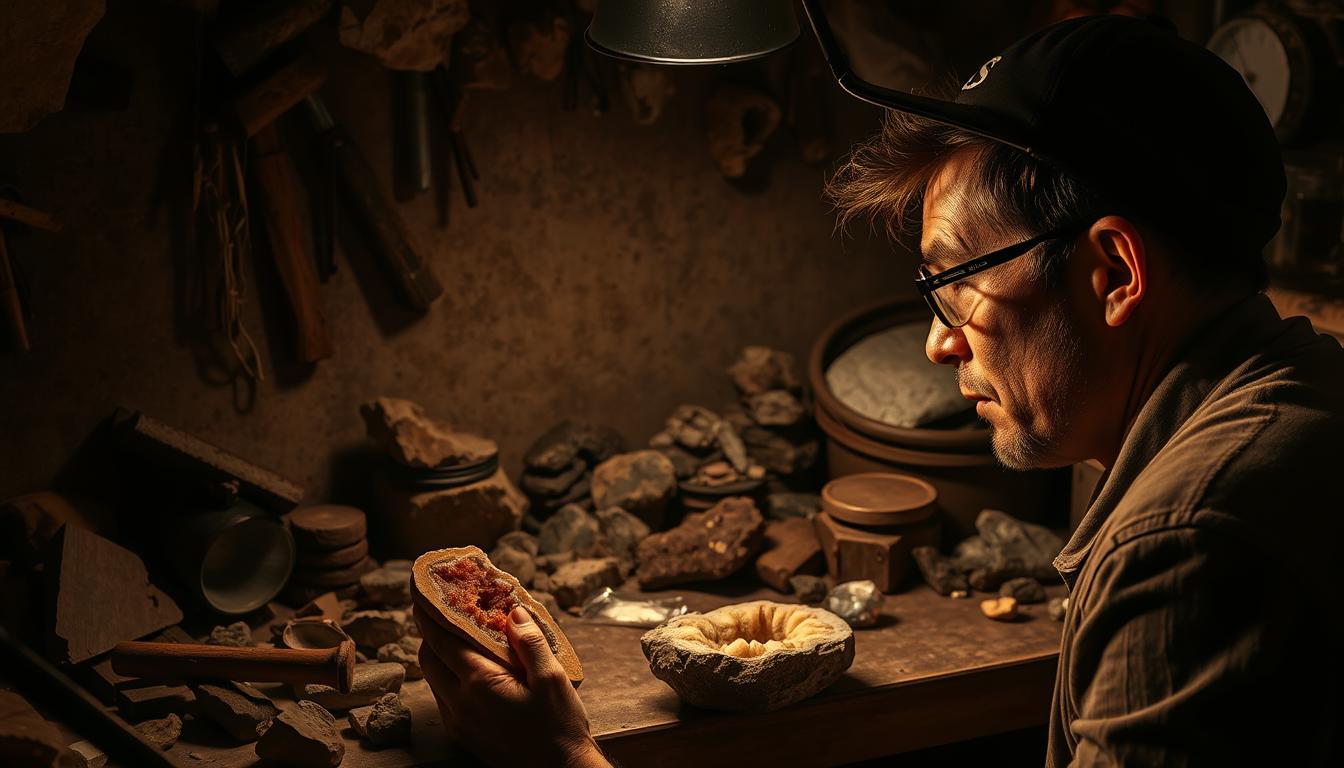
Starting a rockhounding adventure is exciting, but it’s easy to make common errors that can ruin the fun. Not wearing the right gear or collecting too much are frequent mistakes that beginners encounter.
Learning about beginner rockhounding errors helps you enjoy this rewarding hobby more. It lets you find more interesting rocks while staying safe and following proper guidelines.
TL;DR
- Always get permission before collecting on private property – trespassing can result in fines up to $500 in many states.
- Wear safety glasses, gloves, and hard hats – over 60% of rockhounding injuries involve eye damage from rock chips.
- Research local laws and obtain permits – some areas require $25-50 collecting permits or ban collecting entirely.
- Collect only what you need – taking more than 25 pounds per day violates many federal land regulations.
Common Rockhounding Beginner Mistakes
Rockhounding is getting more popular, and beginners need to understand the most frequent pitfalls. Many start with excitement but fall into traps that can lead to legal trouble, safety issues, or environmental damage.
The most serious errors include not checking local laws, ignoring property ownership, and lacking proper safety gear. These rookie mistakes can cause legal problems, injuries, and harm to collecting sites that everyone wants to preserve.
Why These Mistakes Can Ruin Your Experience
Mistakes in rockhounding can have serious consequences beyond just missing out on good finds. Trespassing can result in criminal charges, while inadequate safety gear leads to preventable injuries.
Not understanding local regulations can mean losing your specimens to confiscation or facing steep fines. These problems discourage beginners and give the entire rockhounding community a bad reputation.
Legal and Ethical Problems That Cause Real Trouble
Rockhounding involves more than just picking up pretty rocks – it requires understanding laws and regulations. This hobby comes with legal and ethical responsibilities that can’t be ignored.
Collecting Without Permission
Collecting rocks without permission is the biggest mistake beginners make. Trespassing laws are enforced seriously, and property owners have every right to press charges.
Always research property ownership before heading out:
- Check county records – Many online databases show property boundaries and owner contact information.
- Ask permission in writing – Get written consent that includes specific collecting dates and areas.
- Respect restrictions – Honor any limits the landowner sets on collecting amounts or methods.
Ignoring Park and Protected Area Rules
National parks, state parks, and wildlife preserves have strict rules about collecting. Breaking these regulations results in fines ranging from $100 to $5,000 depending on the violation.
Most protected areas completely ban collecting, while others allow limited amounts with permits. Research each location’s specific rules before visiting, and remember that ignorance isn’t a valid legal defense.
Skipping Research on Local Laws
Every state and county has different rock collecting regulations. Some areas require permits, others have seasonal restrictions, and many limit daily collection amounts.
Before any collecting trip:
- Contact local authorities. Call park services, forest rangers, or county offices for current regulations.
- Get required permits. Purchase any needed licenses or permits before arriving at collecting sites.
- Understand penalties. Know what violations cost so you can make informed decisions about compliance.
Safety Problems That Put Rockhounds at Risk
Rockhounding involves real physical dangers that many beginners underestimate. Proper safety planning prevents most accidents and injuries that occur during collecting trips.
Forgetting Essential Safety Gear
Not wearing protective equipment is the most dangerous mistake new rockhounds make. Hard hats protect against falling rocks, safety glasses prevent eye injuries, and gloves guard against cuts from sharp edges.
Essential safety gear includes:
- Hard hat or sturdy cap – Protects your head from falling debris and low-hanging branches.
- Safety glasses – Prevents eye damage from rock chips when using hammers and chisels.
- Work gloves – Guards against cuts, scrapes, and blisters during long collecting sessions.
- Sturdy boots – Provides ankle support and protection from sharp rocks and uneven terrain.
Ignoring Weather and Environmental Hazards
Weather conditions change quickly in many rockhounding locations, and environmental hazards pose serious threats. Flash floods, extreme heat, and sudden storms create dangerous situations for unprepared collectors.
Always check weather forecasts and understand local hazards like rattlesnakes, unstable rock faces, and abandoned mine shafts. Plan escape routes and know when conditions become too dangerous to continue collecting.
Tell Someone Your Plans
Always inform a reliable person about your collecting location and expected return time. Carry a whistle, cell phone, or satellite communicator for emergencies.
Collection and Identification Errors
Field collection and specimen identification require skill and experience that develop over time. Beginners often make costly mistakes that damage valuable finds or lead to incorrect identifications.
Common Identification Problems
Mineral misidentification happens frequently when beginners rely on incomplete information or make assumptions. Pyrite gets mistaken for gold, quartz variations confuse new collectors, and valuable minerals get discarded as worthless rocks.
Improve your identification skills by:
- Using multiple field guides – Cross-reference findings in several reliable sources before making identifications.
- Learning diagnostic tests – Practice streak tests, hardness checks, and crystal system identification.
- Joining local clubs – Experienced collectors share knowledge and help identify challenging specimens.
Taking Too Much and Poor Collection Ethics
Over-collecting damages sites and violates the basic ethics of rockhounding. Taking more than you need or can properly care for wastes resources and ruins opportunities for future collectors.
Follow ethical collecting practices by limiting yourself to specimens you’ll actually study, display, or share with others. Leave abundant common rocks for beginners to find, and always collect the minimum needed for your purposes.
Damaging Specimens During Extraction
Using improper extraction methods destroys valuable specimens and wastes time. Heavy-handed hammer work fractures delicate crystals, and poor technique damages matrix rock that adds value to specimens.
Learn proper extraction techniques from experienced collectors or instructional videos. Work slowly and carefully, using appropriate tools for each situation rather than trying to force specimens free.
Tool and Technique Mistakes
Many rockhounds use inappropriate tools or poor techniques that lead to disappointing results. The right equipment makes collecting safer, more efficient, and less likely to damage valuable specimens.
Bringing Wrong Tools for the Job
Using tools that don’t match your target specimens wastes time and energy while potentially damaging finds. A heavy sledgehammer destroys delicate crystals, while a lightweight rock pick won’t break through tough matrix rock.
Match your tools to expected specimens and collecting conditions. Research the geology of your destination to understand what tools will work best for the rocks and minerals you’re likely to encounter.
Poor Extraction Methods
Ineffective extraction techniques waste effort and often damage specimens. Beginners frequently use too much force, work in the wrong direction, or fail to support specimens during extraction.
Learn proper techniques before heading to the field:
- Study the specimen. Examine crystal faces, fracture patterns, and attachment points before starting extraction.
- Work gradually. Make small, controlled strikes rather than powerful blows that can shatter specimens.
- Support the specimen. Use your free hand or padding to prevent specimens from falling and breaking.
Leaving Sites in Poor Condition
Leaving collecting sites messy or damaged ruins opportunities for future rockhounds. Fill in holes, remove trash, and avoid unnecessary destruction of vegetation or rock formations.
Good site stewardship ensures continued access to collecting locations. Many private landowners and public agencies close sites due to damage caused by inconsiderate collectors.
Articles You May Like
Frequently Asked Questions
What are the most common mistakes that beginner rockhounds make?
New rockhounds often collect without permission, ignore safety gear, misidentify specimens, and use poor extraction techniques that damage finds.
How can I avoid legal problems while rockhounding?
Research property ownership, obtain required permits, and follow all local regulations before collecting on any property.
What safety equipment do I need for rockhounding?
Essential safety gear includes hard hats, safety glasses, work gloves, sturdy boots, and a first aid kit for every collecting trip.
How can I improve my mineral identification skills?
Use multiple field guides, learn diagnostic tests, and join local rockhounding clubs where experienced collectors share knowledge.
What tools are essential for successful rockhounding?
Basic tools include a rock hammer, chisels, hand lens, collection bags, and safety equipment matched to your target specimens and terrain.
Final Thoughts
Common Rockhounding Beginner Mistakes are learning opportunities that help develop better collecting skills and habits. Every experienced rockhound has made these errors and learned from them.
Start with proper research, safety planning, and respect for laws and property rights. Your rockhounding adventures will be more rewarding and sustainable when you avoid these common pitfalls.