

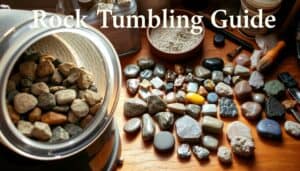
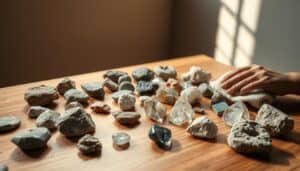
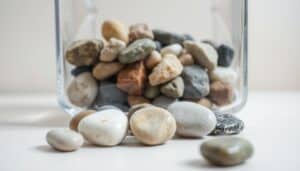
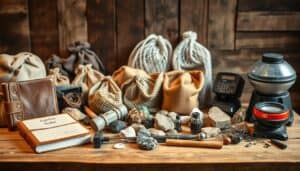



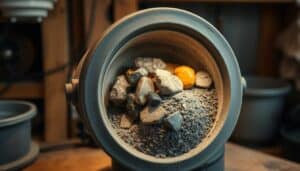
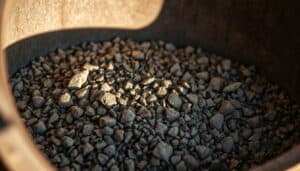


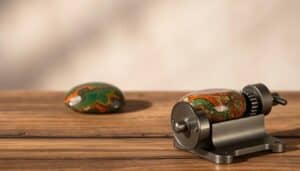
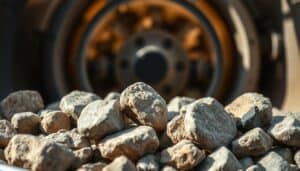
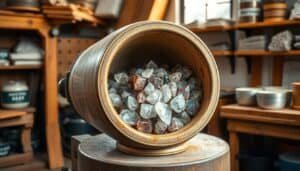
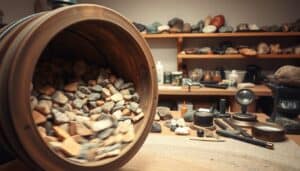

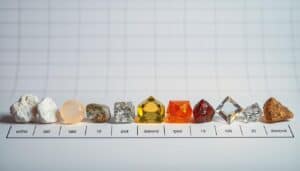
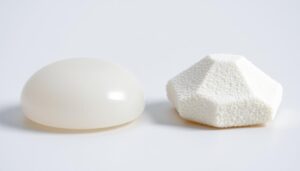

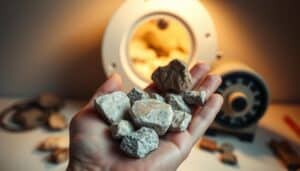
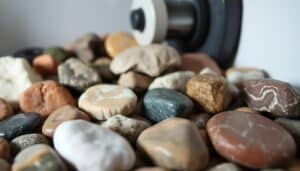



































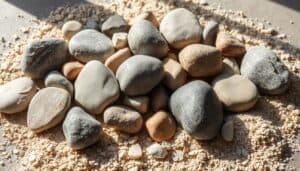


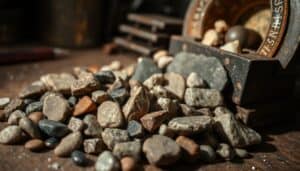
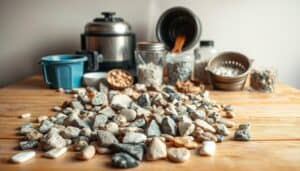













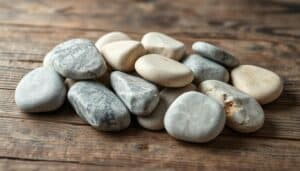

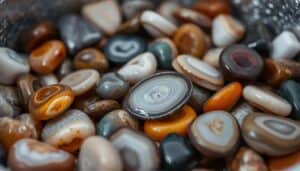








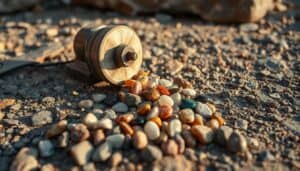


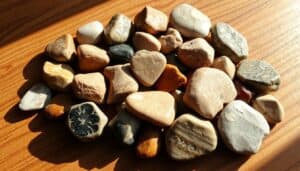



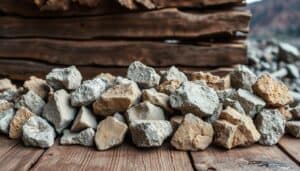
Rocks tell their story through color, texture, and shape. A piece of rough agate looks nothing like the polished stone it becomes after hours in a tumbler.
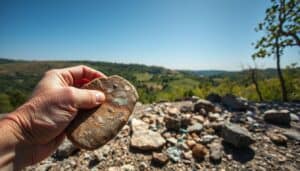
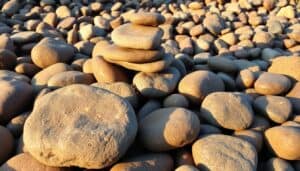
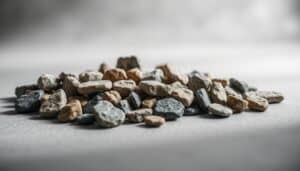
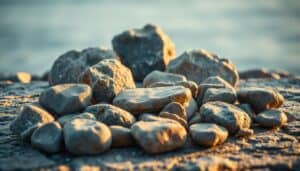
A handful of river gravel hides specimens that most people would walk right past.
The images in this gallery are here to help you see what we see – and to give you a better eye for what to look for in the field, at the tumbler, and in your own collection.
Every image in this gallery comes from the articles on Tumbling Treasures.
They are the featured images from our guides on rockhounding, rock tumbling, collecting, displaying, and using tumbled stones. Browse the gallery to get a feel for the hobby, then follow any image into the full article behind it.
Rockhounding in the Field
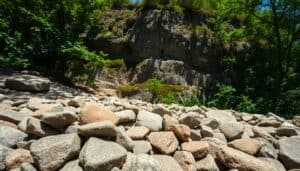
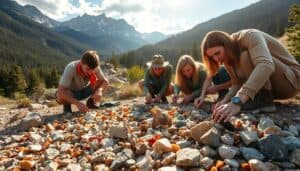
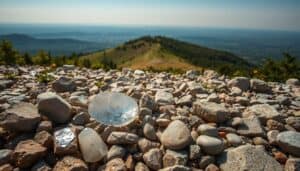
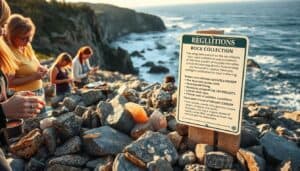
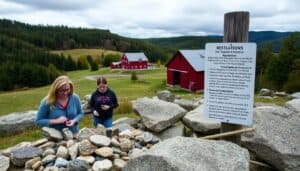
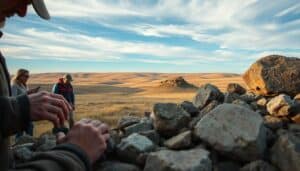
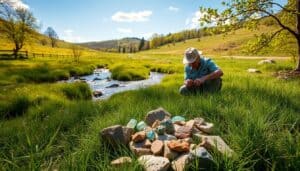
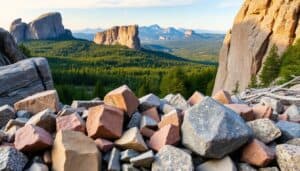
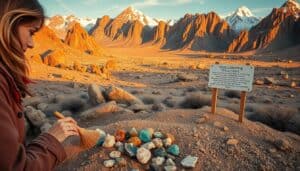
Finding good rocks starts with knowing where to look and what to look for. Our field images cover rockhounding locations across the United States, beach collecting, river beds, and the kinds of terrain that tend to produce the best specimens.
If you are new to the hobby, these images give you a sense of what a productive collecting site looks like before you ever leave the house.
Gravel bars, exposed bedrock, cut banks, and rocky shorelines all show up differently in person than they do on a map, and having a visual reference makes a real difference when you are just getting started.
The Tumbling Process
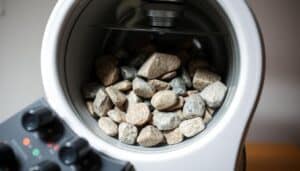
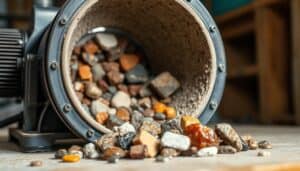
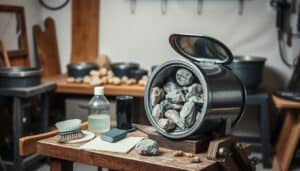
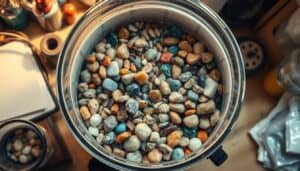
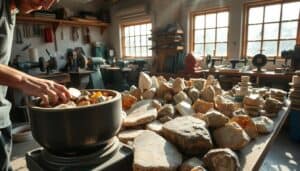
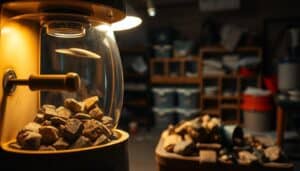
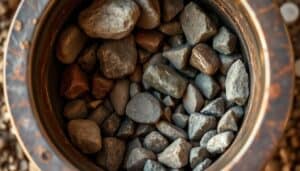
Rock tumbling is a step-by-step process, and each stage looks different. Our tumbling images show rough stones going in, grit stages in progress, and polished results coming out.
We also cover how to evaluate rocks before they go in the tumbler and how to prep them properly so you get the best finish.
If you have ever pulled a batch from the tumbler and been disappointed with the results, a closer look at the prep and timing stages usually tells you where things went wrong.
These images make those stages easier to understand at a glance.
Polished Stones and What They Look Like
One of the most common questions new collectors have is whether a stone is worth tumbling.
Color, hardness, and surface quality all matter, and it is much easier to judge those things when you have seen a lot of examples.
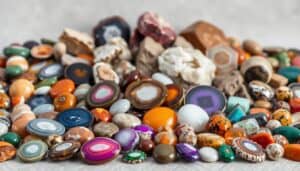
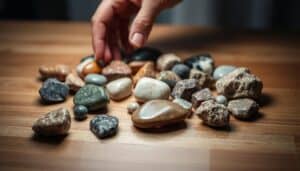
Our article images cover a wide range of stone types – agates, jaspers, quartz varieties, obsidian, and more – in both rough and polished form.
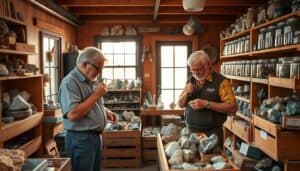
Seeing the before and after helps calibrate your eye so you can make better decisions in the field and at the rock shop.
Display and Storage
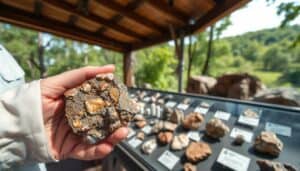
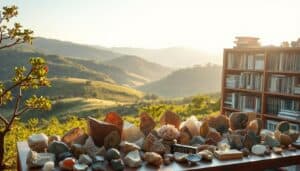
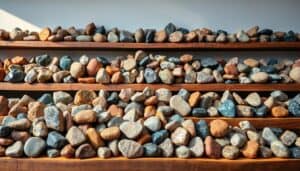
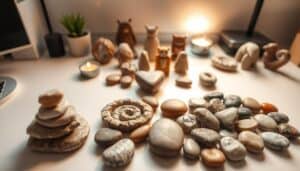
A well-displayed collection is a pleasure to look at. Our images cover everything from simple shelf arrangements to more creative display ideas using shadow boxes, trays, and custom stands.
We also cover storage solutions that keep your collection organized and protected.
If you have a pile of tumbled stones and no idea what to do with them, the display images in this gallery are a good place to start thinking about what works and what does not.
Jewelry and Crafts
Tumbled stones have a life beyond the display shelf. Our craft and jewelry images show what is possible when you take polished stones in a creative direction – wire-wrapped pendants, mosaic work, decorative pieces, and handmade items at every skill level.
These images are meant to show what is achievable, not just what is possible in theory.
Whether you are looking to make something for yourself or explore whether tumbled stone crafts could become a side income, the images here give you a realistic picture of what the finished work looks like.