
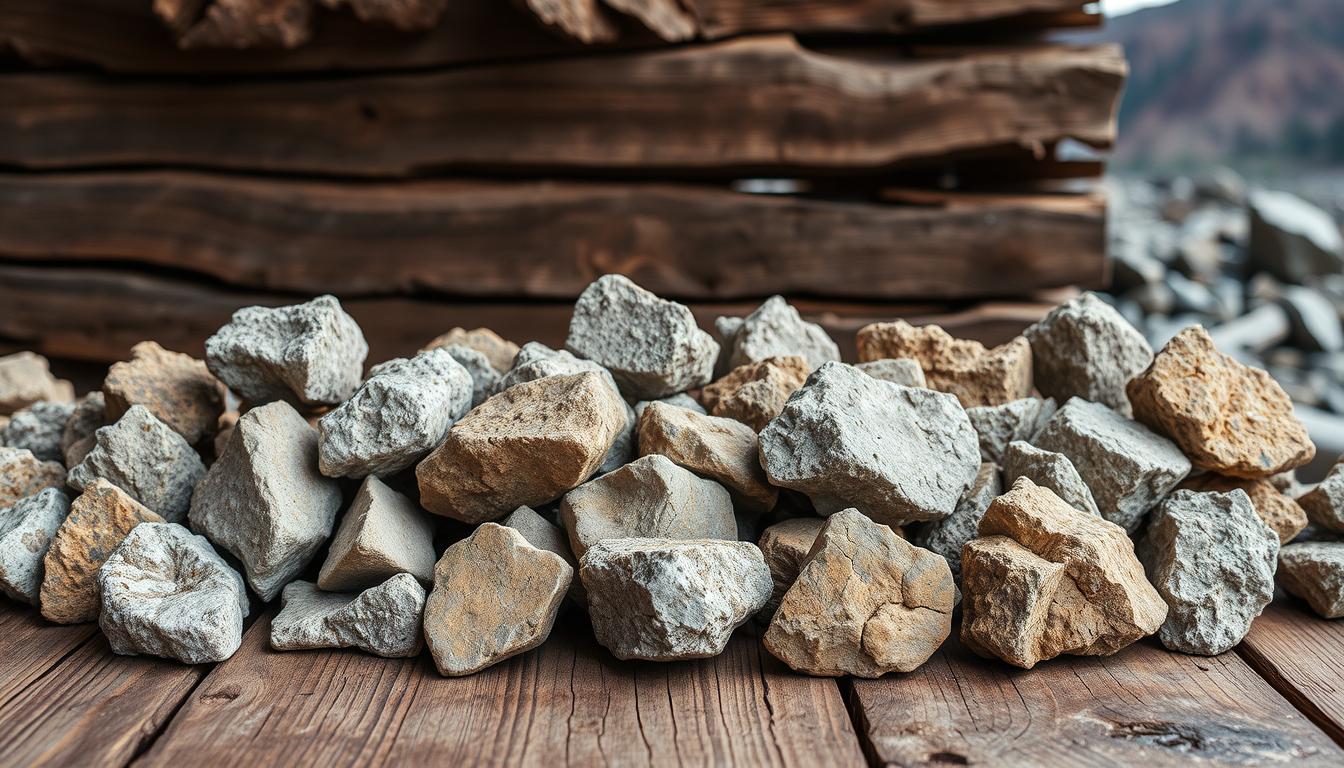
Buying Rough Rocks Online opens up a world of geological treasures that would be impossible to find locally. Whether you’re a rockhound searching for specific minerals, a jewelry maker sourcing raw materials, or a collector building a diverse specimen collection, online marketplaces offer access to rocks from quarries and mines worldwide.
The convenience of shopping from home means you can compare prices, read detailed descriptions, and view high-quality photos before making a purchase. Online dealers often provide information about each specimen’s origin, hardness rating, and potential uses that local shops might not have.
TL;DR
- Etsy hosts over 50,000 rough rock listings with detailed photos and seller ratings for safe purchases.
- eBay auctions can save you 30-60% on bulk lots compared to individual specimen pricing.
- Minimum orders of $25-50 often qualify for free shipping from specialized mineral dealers.
- High-resolution photos showing all angles help identify inclusions, fractures, and color variations before buying.
Buying Rough Rocks Online
Online rock purchasing requires a different approach than browsing physical specimens in a shop. You’ll need to rely on photos, descriptions, and seller reputation rather than handling the rocks yourself.
Most reputable online dealers provide multiple high-resolution photos showing different angles of each specimen. Look for images that reveal the rock’s texture, color variations, and any visible inclusions or fractures that might affect its value or workability. Before purchasing, it’s essential to know how to evaluate rocks before tumbling to ensure you’re getting specimens suitable for your intended projects.
Best Platforms for Rock Purchases
Several online platforms cater specifically to rock and mineral collectors, each with distinct advantages for different types of buyers.
Specialized Mineral Dealers
Dedicated mineral websites like Rock Shed, Minerals.net, and Crystal Classics focus exclusively on geological specimens. These dealers typically offer detailed scientific information about each rock’s composition, formation process, and metaphysical properties if applicable.
- Rock Shed – Offers bulk lots perfect for tumbling and educational collections.
- Minerals.net – Features rare specimens with detailed locality information and scientific data.
- Crystal Classics – Specializes in both rough and polished specimens with quality guarantees.
General Marketplaces
Platforms like Etsy and eBay provide access to thousands of sellers worldwide, often at competitive prices. These marketplaces work well for finding common rocks in bulk or discovering unique specimens from international sources.
Etsy sellers frequently offer handpicked collections and provide personal customer service that larger dealers might not match. eBay auctions can yield excellent deals on bulk lots, though you’ll need to carefully evaluate seller feedback and return policies.
Check Seller Ratings First
Always review seller feedback and ratings before purchasing rough rocks online. Look for sellers with at least 98% positive feedback and recent sales in the mineral category.
What to Look for When Shopping
Successful online rock buying depends on understanding how to evaluate specimens through photos and descriptions alone. Focus on key indicators that reveal quality and authenticity.
Photo Quality and Angles
High-quality photos should show the rock from multiple angles with proper lighting that reveals true colors. Avoid listings with blurry, poorly lit, or limited photos that might hide flaws or misrepresent the specimen.
Natural sunlight photos often provide the most accurate color representation, while indoor lighting can sometimes make colors appear more saturated than they actually are. Look for photos that include a size reference like a coin or ruler.
Detailed Descriptions
Comprehensive listings include the rock’s scientific name, locality information, approximate size and weight, and any notable characteristics. Sellers should mention any treatments, enhancements, or repairs that affect the specimen’s natural state.
- Locality data – Specific mine or region where the rock was found.
- Physical properties – Hardness rating, crystal system, and chemical composition.
- Condition notes – Any chips, fractures, or repairs that affect display value.
- Treatment disclosure – Heat treatment, dyeing, or other enhancements applied.
Pricing and Value Assessment
Understanding fair market prices helps you identify good deals and avoid overpaying for common specimens marketed as rare finds. Research comparable listings across multiple platforms before making significant purchases.
Bulk lots often provide better value per pound than individual specimens, especially for rocks used in tumbling or crafting projects. However, individual museum-quality specimens command premium prices based on rarity, size, and aesthetic appeal.
Factors Affecting Price
Several elements influence rough rock pricing beyond simple rarity or beauty. Understanding these factors helps you make informed purchasing decisions and spot undervalued specimens.
- Locality reputation. Rocks from famous localities like Herkimer County or Brazilian mines often cost more than similar specimens from lesser-known sources.
- Size and weight. Larger specimens typically cost more per unit, but giant pieces may have limited buyers, sometimes creating bargains.
- Completeness and condition. Intact crystal faces and minimal damage significantly increase value compared to broken or weathered specimens.
- Color and clarity. Vivid colors and transparent materials generally command higher prices than dull or opaque alternatives.
Shipping and Handling Considerations
Rough rocks require careful packaging to prevent damage during shipping, and weight affects shipping costs significantly. Factor these expenses into your total purchase price when comparing deals.
Most sellers use bubble wrap, newspaper, or packing peanuts to cushion specimens during transport. Fragile crystals may arrive in individual boxes or wrapped in tissue paper for extra protection.
Shipping Cost Calculations
Rock shipping costs depend on weight, distance, and carrier selection. Many sellers offer combined shipping discounts for multiple purchases, making it economical to order several specimens at once.
Priority Mail flat-rate boxes work well for dense specimens up to 70 pounds, while lighter packages might ship more economically through Ground services. International shipping requires additional customs documentation and may involve import duties.
Articles You May Like
Frequently Asked Questions
How can I verify a rough rock’s authenticity online?
Request additional photos, ask for locality documentation, and research the seller’s reputation through feedback and mineral forum discussions. Reputable dealers provide detailed provenance information.
What return policies should I expect from online rock sellers?
Most established dealers offer 7-14 day return periods for misrepresented items, though buyers typically pay return shipping. Always read return policies before purchasing expensive specimens.
Are bulk rock lots worth buying for beginners?
Bulk lots provide excellent value for learning rock identification and trying different specimens affordably. They’re perfect for tumbling projects and building foundational collections. If you’re just getting started, check out our guide on how to start a rock collection on a budget for more money-saving tips.
How do shipping costs affect the total price of rough rocks?
Shipping can add $5-50+ depending on weight and distance, sometimes doubling the cost of small specimens. Factor shipping into price comparisons and consider bulk orders to spread costs.
Final Thoughts
Buying Rough Rocks Online provides access to geological specimens from around the world that would be impossible to find locally. Success depends on choosing reputable sellers, carefully evaluating photos and descriptions, and understanding fair market pricing.
Start with smaller purchases to test new sellers before investing in expensive specimens, and always factor shipping costs into your budget calculations. Once you receive your rocks, you’ll want to know how to prep rocks for tumbling to get the best results from your purchases.