
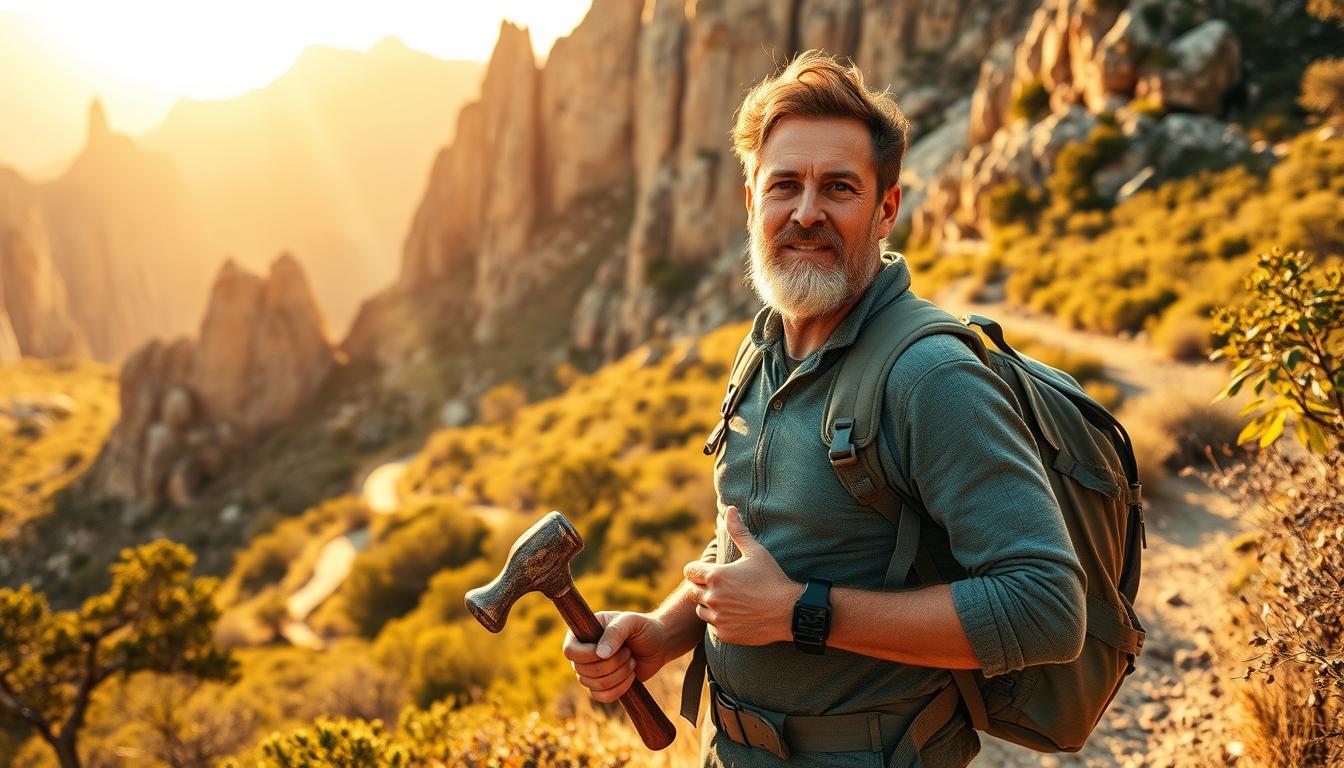
Rockhounding in the United States offers endless opportunities for discovering geological treasures across diverse landscapes. From sun-soaked desert formations to mountain peaks rich with minerals, America provides some of the world’s best locations for both beginners and experienced collectors.
Whether you’re searching for sparkling gems, ancient fossils, or unique rock formations, the country’s varied geology creates perfect conditions for memorable finds. Each region offers its own specialties, making every rockhounding adventure a new learning experience.
TL;DR
- Arizona’s Quartzsite hosts over 2 million visitors annually for its famous winter gem and mineral shows.
- Crater of Diamonds State Park in Arkansas is the only place in the U.S. where you can keep diamonds you find – over 75,000 diamonds discovered since 1906.
- Oregon’s coast produces world-class agates after winter storms, with the best hunting 2-3 hours after high tide.
- Montana’s Missouri River produces sapphires in colors including blue, yellow, green, and the rare Yogo sapphires worth $1,000+ per carat.
Rockhounding in the United States: A Geological Paradise
The United States sits on some of the most geologically diverse terrain on Earth, creating perfect conditions for rockhounding adventures. Ancient volcanic activity, glacial movements, and millions of years of weathering have exposed incredible mineral deposits across the country.
Each state offers unique geological formations that produce different types of specimens. Understanding these formations helps rockhounds target their searches and increases the chances of significant finds.
Top Rockhounding Destinations by State
Arizona: Desert Gems and Mineral Wealth
Arizona’s arid climate preserves specimens exceptionally well, making it a premier destination for serious collectors. The state’s copper mining history has exposed countless mineral varieties in easily accessible locations.
- Quartzsite – Winter gem shows attract collectors worldwide from January through March
- Petrified Forest – Ancient logs transformed into colorful agate and jasper specimens
- Morenci area – Azurite, malachite, and chrysocolla from historic copper operations
- Four Peaks – Amethyst crystals in the state’s official gemstone locale
Oregon: Thundereggs and Coastal Agates
Oregon combines volcanic geology with ocean access, creating two distinct rockhounding environments. The state’s thundereggs are considered among the finest examples worldwide.
- Prineville area – Multiple thunderegg beds with different patterns and colors
- Oregon Coast – Beach agates, especially after winter storms
- Richardson’s Rock Ranch – Fee dig site with guaranteed finds
- Glass Butte – Obsidian collecting in various colors and patterns
Montana: Sapphire Country
Montana produces the only sapphires mined commercially in North America. The state’s glacial geology also creates excellent conditions for finding agates and fossils.
- Gem Mountain – Sapphire mining with equipment rentals available
- Yellowstone River – Moss agates and other chalcedony varieties
- Rock Creek – Garnet deposits accessible to collectors
- Makoshika State Park – Fossil hunting in badlands formations
Arkansas: The Diamond State
Arkansas offers the unique opportunity to search for diamonds in their original volcanic source. The state also produces excellent quartz specimens and other minerals.
- Crater of Diamonds State Park – The only diamond mine open to public searching
- Mount Ida area – Clear quartz crystals in various formations
- Hot Springs – Novaculite and other unique Arkansas minerals
Best Weather for Rockhounding Success
Hunt after rainstorms when fresh material gets exposed and dust gets washed away. Early morning light also helps identify specimens more easily than harsh midday sun.
Utah: Red Rock Minerals
Utah’s diverse geology ranges from ancient sea beds to volcanic formations, creating conditions for numerous mineral varieties. The state’s arid climate helps preserve specimens in excellent condition.
- Topaz Mountain – Clear and sherry-colored topaz crystals
- Dugway Geode Beds – Hollow geodes lined with quartz crystals
- Moab area – Uranium minerals and petrified wood
California: Gold Country to Desert Gems
California’s geological diversity spans from oceanic jade deposits to desert mineral formations. The state’s gold rush history makes it especially appealing for prospecting enthusiasts.
- Jade Cove – Nephrite jade along the Pacific Coast
- Mojave Desert – Chalcedony roses and various agates
- Sierra Nevada foothills – Gold panning and quartz specimens
Planning Your Rockhounding Adventure
Seasonal Timing Considerations
Different regions offer optimal conditions during specific seasons. Desert locations like Arizona and Nevada work best during cooler months from October through April.
Coastal areas produce the best specimens after winter storms, while mountain locations become accessible after snow melts in late spring and summer. For beginners just starting out, check out our guide to finding rocks near you to discover local opportunities.
Understanding Legal Requirements
Rockhounding laws vary significantly between private land, public land, and protected areas. National parks generally prohibit all collecting, while national forests may allow personal use quantities.
Always obtain permission for private property access and research local regulations before visiting any location. Some areas require permits or have seasonal restrictions. New collectors should be aware of common rockhounding beginner mistakes to avoid legal and practical issues.
Joining Rockhounding Communities
Local rock and mineral clubs provide invaluable resources for newcomers. Experienced members share location knowledge, identification tips, and often organize group trips to productive areas.
Many clubs maintain private claims or have agreements with landowners that provide access to exclusive collecting areas.
Essential Equipment and Safety
Basic Tool Requirements
Successful rockhounding requires specific tools designed for geological work. Quality equipment makes the difference between damaged specimens and perfect finds. After your hunt, proper tool maintenance and cleaning keeps your equipment in excellent condition for future adventures.
- Rock hammer. Choose a geologist’s pick with a flat striking surface and pointed tip for precise work.
- Hand lens or magnifier. 10x magnification helps identify small crystals and mineral characteristics.
- Collection containers. Padded boxes or bags prevent damage during transport.
- Field notebook. Record locations, conditions, and specimen details for future reference.
Safety Equipment
Rockhounding involves working with sharp tools around hard surfaces, making safety gear essential. Eye protection prevents injury from rock chips and flying debris.
- Safety glasses – Wraparound style provides best protection
- Work gloves – Leather or heavy fabric protects hands from sharp edges
- Sturdy boots – Ankle support and thick soles prevent injuries on rough terrain
- First aid kit – Basic supplies for treating minor cuts and scrapes
Identification Resources
Proper identification turns random rock collecting into educational rockhounding. Modern apps supplement traditional field guides with instant photo recognition capabilities.
Regional guides focus on specimens common to specific areas, while general references cover identification techniques and mineral properties. For help with specific specimens, our guide to identifying agate, jasper, and quartz covers three of the most commonly found rocks. Building a reference library improves field identification skills over time.
Frequently Asked Questions
What is rockhounding and what does it involve?
Rockhounding is the hobby of searching for and collecting rocks, minerals, gems, and fossils from natural deposits. It combines outdoor exploration with geological education and specimen collecting.
Which states offer the best rockhounding opportunities?
Arizona, Oregon, Montana, Utah, California, and Arkansas rank among the top states for rockhounding. Each offers unique geological formations and different types of collectible specimens.
What types of gems and minerals can I find while rockhounding?
Common finds include agates, jasper, quartz varieties, petrified wood, and various crystals. Specific locations may yield sapphires, topaz, garnets, or even diamonds depending on local geology.
Are there legal restrictions on rockhounding activities?
Yes, collecting laws vary by location and land ownership. National parks prohibit all collecting, while other public lands may allow personal use quantities with restrictions on commercial collecting.
What essential tools do I need for successful rockhounding?
Basic equipment includes a geologist’s hammer, hand lens, collection containers, safety glasses, and work gloves. Additional tools like chisels and brushes help with delicate specimen extraction.
How do I identify the rocks and minerals I find?
Use field guides specific to your region, mineral identification apps, and online resources. Local rock clubs and experienced collectors also provide valuable identification assistance.
Final Thoughts
Rockhounding in the United States offers incredible opportunities to connect with Earth’s geological history while building valuable collections. The country’s diverse landscapes provide specimens ranging from common agates to rare gemstones, ensuring exciting discoveries for collectors at every level.
Start planning your rockhounding adventure by researching locations near you and connecting with local collecting communities. With proper preparation and the right equipment, your next geological treasure hunt could yield specimens that become cherished parts of your collection for years to come. Building a budget-friendly collection is easier than you think – learn how to start a rock collection on a budget with our comprehensive guide.