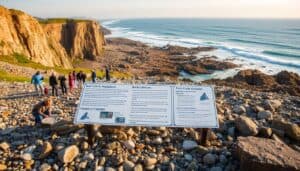
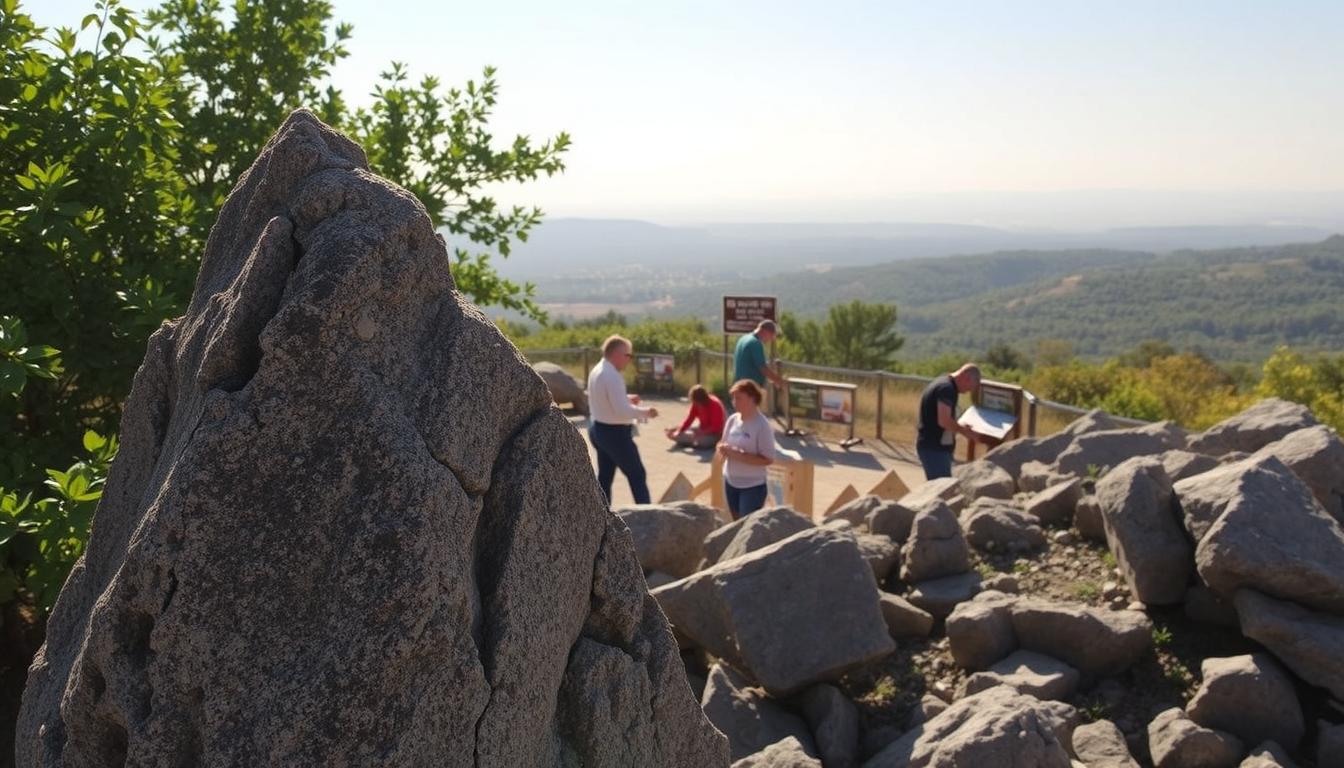
Rock Collecting Laws In Louisiana can seem confusing at first, but understanding the basic rules helps you explore the state’s geological treasures legally and safely. Louisiana offers unique collecting opportunities from ancient fossils to colorful minerals, though specific regulations vary by location and land ownership.
The key to successful rock collecting in Louisiana lies in knowing where you can legally hunt for specimens and what permits or permissions you might need. Most violations happen simply because collectors don’t realize they’re on restricted land or taking protected materials. Similar regulations exist across the South, including rock collecting laws in Texas and rock collecting laws in Alabama.
TL;DR
- Private land requires written permission from landowners before collecting any rocks or minerals.
- State parks prohibit all rock and mineral collecting with fines starting at $200 for violations.
- National forests allow personal collecting up to 25 pounds per day without permits for common materials.
- Commercial collecting requires special permits and higher fees ranging from $50-500 depending on the operation size.
Rock Collecting Laws In Louisiana Overview
Louisiana’s rock collecting laws follow a three-tier system based on land ownership and management. Federal, state, and private lands each have distinct rules that collectors must follow to avoid legal issues.
The Louisiana Department of Natural Resources oversees mineral rights on state lands, while individual agencies manage their own collecting policies. Understanding these jurisdictions helps you plan collecting trips that stay within legal boundaries.
Federal Land Regulations
National forests in Louisiana allow limited personal rock collecting under specific guidelines. The U.S. Forest Service permits casual collecting of common rocks, minerals, and fossils for personal use only.
Kisatchie National Forest Rules
- Daily limit – Maximum 25 pounds of materials per person per day
- Equipment restrictions – Hand tools only, no motorized equipment allowed
- Prohibited items – Petrified wood, vertebrate fossils, and cultural artifacts
- Commercial ban – No selling or trading of collected materials
National wildlife refuges and Army Corps of Engineers lands typically prohibit all collecting activities. Always check with local ranger stations before visiting federal properties for current regulations.
State Land Collecting Rules
Louisiana state parks maintain strict no-collecting policies to preserve natural resources for all visitors. Removing any rocks, minerals, or fossils from state parks results in fines and potential criminal charges.
State wildlife management areas follow similar restrictions, though some allow limited fossil collecting with special permits. Contact the Louisiana Department of Wildlife and Fisheries for current permit requirements and approved locations.
Permit Requirements
- Research permit. Submit application 30 days before planned collecting with detailed location and purpose information.
- Educational permit. Available for schools and universities conducting geological studies with faculty supervision.
- Commercial permit. Required for any collecting intended for sale, trade, or business use with annual fees and reporting requirements.
Private Property Guidelines
Most successful rock collecting in Louisiana happens on private land with proper permission. Landowners control access and collecting rights on their property, making written agreements essential for legal collecting.
Always approach landowners respectfully and offer to share interesting finds or pay reasonable fees for access. Many farmers and rural landowners welcome responsible collectors who follow their rules and restore any disturbed areas.
Get Permission In Writing
Always request written permission from landowners, even if they’re friends or family. This protects both parties and prevents misunderstandings later.
Protected Species and Materials
Certain rocks, minerals, and fossils receive special protection under Louisiana law regardless of where they’re found. These restrictions help preserve scientifically valuable specimens and culturally significant materials.
Prohibited Collections
- Vertebrate fossils – All dinosaur bones, mammal remains, and prehistoric animal fossils
- Archaeological artifacts – Native American tools, pottery, and cultural items
- Rare minerals – Specimens from designated type localities or research sites
- Meteorites – Space rocks found on public lands belong to the state
If you discover significant fossils or artifacts while collecting, contact the Louisiana Geological Survey or appropriate authorities rather than removing them yourself.
Commercial Collecting Regulations
Commercial rock and mineral collecting requires additional permits and follows stricter guidelines than casual collecting. The Louisiana Department of Natural Resources issues commercial permits for qualified operators.
Commercial collectors must post bonds, carry liability insurance, and submit annual production reports. Permit fees vary based on operation size and expected volume, ranging from basic $50 hobby dealer permits to $500+ large-scale mining permits. These commercial requirements are consistent with those found in neighboring states like rock collecting laws in Arkansas.
Beach and Water Collecting
Louisiana’s coastline offers unique collecting opportunities for shells, fossils, and beach stones. Most beach collecting falls under state jurisdiction with specific rules for different areas.
Public beaches allow casual shell and stone collecting below the high tide line, but check local ordinances for any restrictions. Some protected areas near wildlife refuges or nesting sites may have seasonal collecting bans. Coastal collecting regulations here differ from those in states like rock collecting laws in Florida due to different environmental protection priorities.
Articles You May Like
Frequently Asked Questions
Do I need a permit to collect rocks on private property in Louisiana?
No permit is required for private property, but you must have written permission from the landowner before collecting any materials.
What’s the penalty for illegal rock collecting in Louisiana state parks?
Fines start at $200 for removing rocks or fossils from state parks, with possible additional charges for damage to natural resources.
Can I sell rocks I collect legally in Louisiana?
You can sell rocks collected from private property with permission or from your own land, but materials from public lands cannot be sold commercially.
Are there any free public areas for rock collecting in Louisiana?
Kisatchie National Forest allows limited personal collecting of common materials, and some public beaches permit shell and stone collecting below the high tide line.
Final Thoughts
Rock Collecting Laws In Louisiana become manageable once you understand the basic framework of federal, state, and private land regulations. Start with legal locations like national forests or seek permission from private landowners to build your collection safely.
Always research specific locations before collecting and carry copies of any permits or permission letters while in the field. For collectors planning to explore beyond Louisiana’s borders, understanding the rock collecting regulations in Mississippi can help expand your rockhounding adventures responsibly.