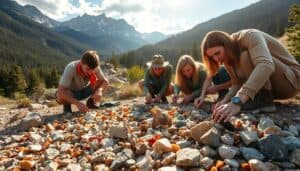
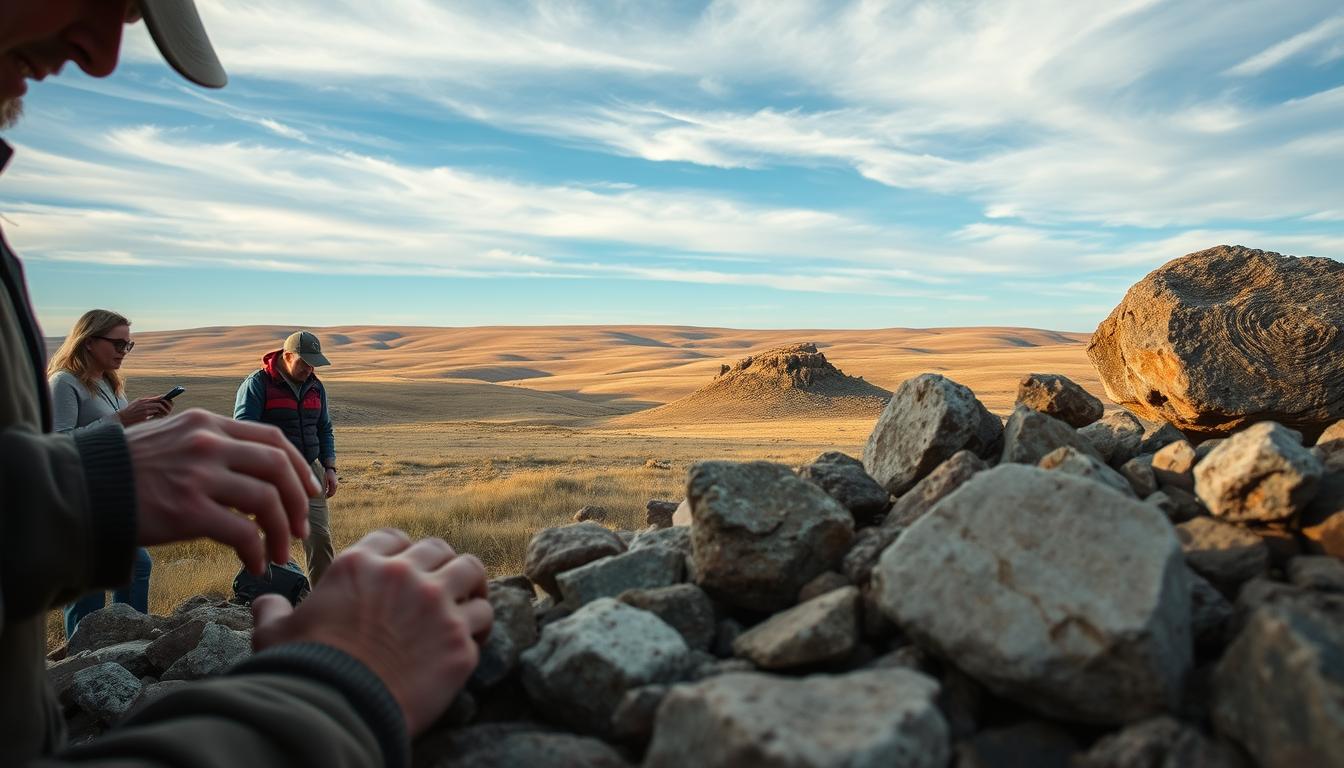
Rock Collecting Laws In North Dakota can seem confusing at first, but understanding the basic rules will keep you on the right side of the law while pursuing this rewarding hobby. The state offers excellent opportunities for rockhounds, from agates along the Missouri River to fossils in the badlands.
Whether you’re a beginner or experienced collector, knowing where you can legally hunt for rocks and what permits you might need will save you from potential fines and legal trouble. North Dakota’s geological diversity makes it a prime destination for rock enthusiasts willing to follow the proper guidelines, similar to regulations found in neighboring states like Montana and Minnesota.
TL;DR
- Public lands allow rock collecting for personal use up to 25 pounds per day without permits in most cases.
- State parks require written permission from park management before collecting any rocks or minerals.
- Private land requires explicit written permission from landowners before any collecting activities.
- Commercial collecting on any public land requires special permits and fees ranging from $100-500 annually.
Rock Collecting Laws In North Dakota Overview
North Dakota follows federal guidelines for rock collecting on public lands, with additional state-specific regulations. Most public lands operated by the Bureau of Land Management (BLM) and U.S. Forest Service allow personal rock collecting without permits.
The key distinction lies between personal use and commercial collecting. Personal use means collecting small amounts for your own enjoyment, while commercial use involves selling, trading, or collecting large quantities for profit.
Federal Land Regulations
BLM lands make up a significant portion of North Dakota’s public areas available for rock collecting. These lands generally allow personal collection of common rocks and minerals without permits, following similar policies to those in Wyoming.
The standard personal use allowance includes up to 25 pounds of material per day, not exceeding 250 pounds per year from any single location. You cannot use motorized equipment like metal detectors or rock saws on federal lands without special authorization.
Restricted Federal Areas
Several federal designations prohibit or restrict rock collecting entirely. These protected areas require special attention from collectors.
- National Monuments – Theodore Roosevelt National Park prohibits all collecting activities
- Wilderness Areas – No mechanized tools or vehicles allowed, hand collecting only
- Archaeological Sites – Any area with historical or cultural significance is off-limits
- Research Areas – Scientists may have exclusive collecting rights in designated zones
State Land Policies
North Dakota state lands follow more restrictive policies than federal areas. State parks, recreation areas, and wildlife management areas typically require written permission before any collecting activities, much like the regulations in South Dakota.
Contact the North Dakota Parks and Recreation Department at least two weeks before your planned collecting trip. They evaluate requests based on the specific location, time of year, and potential environmental impact.
State Park Specific Rules
Each state park may have unique regulations based on geological significance and visitor impact. Fort Abraham Lincoln State Park, for example, has stricter rules due to its historical importance.
- Submit written request. Include your collecting experience, intended dates, and specific areas of interest.
- Wait for approval. The review process typically takes 10-14 business days during peak season.
- Follow permit conditions. Stick to approved areas and collection limits specified in your permit.
- Report findings. Some permits require you to document significant discoveries for scientific purposes.
Private Land Requirements
Private property makes up roughly 90% of North Dakota’s land area, making landowner permission essential for most collecting activities. Never assume you can collect on private land without explicit consent.
Always carry written permission when collecting on private property. Verbal agreements can lead to misunderstandings and potential trespassing charges if questioned by law enforcement.
Get Permission in Writing
Always request written permission from landowners, even for family or friends’ property. This protects both you and the landowner from potential legal issues.
Building Landowner Relationships
Successful rock collectors in North Dakota often develop long-term relationships with private landowners. These relationships provide consistent access to productive collecting sites.
- Offer to share finds – Many landowners appreciate learning about their property’s geology
- Respect property boundaries – Stay within agreed-upon areas and avoid damaging fences or crops
- Leave gates as found – Close gates that were closed, leave open gates open
- Fill holes – Restore the land to its original condition after digging
Commercial Collecting Permits
Commercial rock collecting requires federal permits and often state licensing. The BLM issues mineral material disposal contracts for commercial operations on public lands, with requirements similar to those found in western states like Utah.
These permits cost between $100-500 annually depending on the material type and collection volume. Commercial collectors must also provide bonds and follow strict environmental restoration requirements.
Permit Application Process
Commercial permit applications require detailed business plans and environmental impact assessments. The approval process can take 3-6 months for new applicants.
- Contact local BLM office. Discuss your collecting plans and get application materials.
- Submit complete application. Include business license, insurance proof, and environmental plan.
- Pay required fees. Application fees are non-refundable even if permits are denied.
- Undergo site inspection. BLM officials will evaluate your proposed collecting areas.
Penalties and Enforcement
Violating rock collecting laws in North Dakota can result in significant penalties. Federal violations carry fines up to $1,000 and potential jail time for serious offenses.
State violations typically result in fines between $50-500 for first-time offenders. Repeat violations or commercial collecting without permits can lead to much higher penalties and equipment confiscation.
Articles You May Like
Frequently Asked Questions
Can I collect rocks from road cuts and highway right-of-ways?
No, collecting from road cuts and highway right-of-ways is prohibited due to safety concerns and property ownership issues. These areas are typically owned by the state transportation department.
Do I need permits for collecting common rocks like agates on BLM land?
No permits are required for personal collection of common rocks and minerals on BLM land, provided you stay within the 25-pound daily limit and don’t use motorized equipment.
What happens if I accidentally collect on private land without permission?
You could face trespassing charges and be required to return any collected materials. It’s best to immediately contact the landowner, apologize, and ask for retroactive permission if possible.
Are there seasonal restrictions on rock collecting in North Dakota?
Some areas may have seasonal closures to protect wildlife during nesting seasons or due to weather conditions. Check with land management agencies before planning collecting trips.
Final Thoughts
Rock Collecting Laws In North Dakota are straightforward once you understand the basic framework of federal, state, and private land regulations. Most casual collectors can enjoy the hobby legally by sticking to BLM lands and respecting daily collection limits.
Take time to research specific locations before your collecting trips and always carry proper documentation when required. Building good relationships with landowners and following all regulations will ensure you can enjoy this rewarding hobby for years to come.