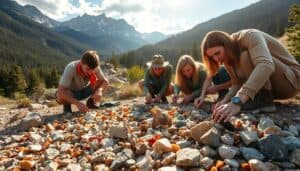
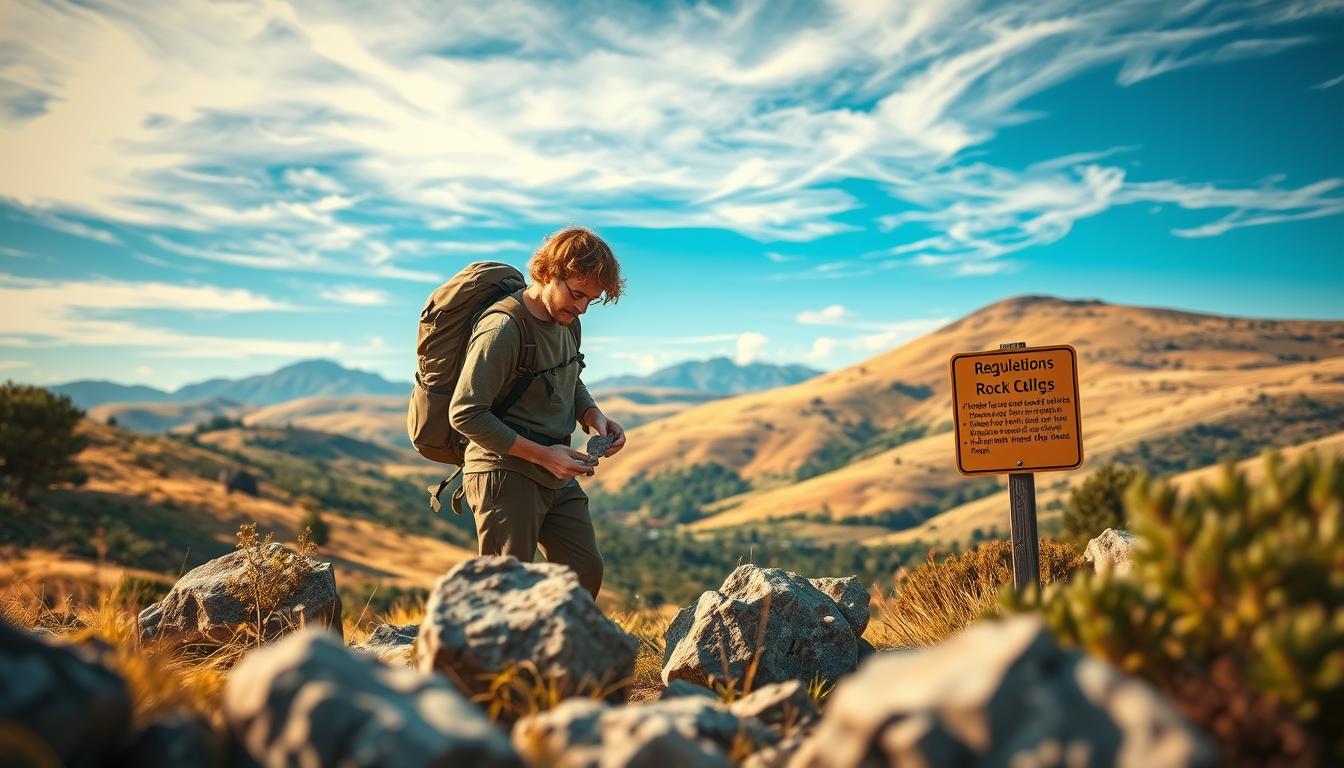
Rock Collecting Laws In Oregon can seem confusing at first, but understanding the basic rules helps you enjoy this hobby without legal trouble. Oregon offers incredible opportunities for rockhounds, from agates along the coast to thundereggs in the high desert.
The key is knowing where you can collect and what permits you might need. Most public lands have specific regulations, while private property requires landowner permission. Similar regulations exist across the western states, such as rock collecting laws in Washington and rock collecting laws in California.
TL;DR
- Oregon beaches allow rock collecting below the high tide line without permits for personal use up to 5 gallons per day.
- National forests require a $5 annual permit for collecting rocks, minerals, and fossils for personal use.
- State parks prohibit all rock collecting except at designated areas like Agate Beach.
- BLM lands allow 25 pounds of rocks per person per day for personal collection without commercial permits.
Rock Collecting Laws In Oregon: Public Land Rules
Oregon’s public lands have different agencies managing them, each with their own collection rules. Understanding these distinctions saves you from accidentally breaking regulations.
The main land management agencies you’ll encounter are the Bureau of Land Management (BLM), US Forest Service, Oregon State Parks, and National Park Service. Each has specific guidelines for recreational rock collecting.
Oregon Beach Collecting Rules
Oregon’s beaches offer some of the most accessible rock collecting in the state. The Oregon Parks and Recreation Department allows collecting below the mean high tide line for personal use.
You can collect up to 5 gallons of rocks, agates, and driftwood per day without a permit. Commercial collecting or selling requires special permits and fees.
National Forest Regulations
Most of Oregon’s national forests require an annual permit for rock and mineral collecting. The permit costs $5 and covers personal collection of rocks, minerals, and common fossils.
You’re limited to reasonable amounts for personal use – typically interpreted as what you can carry. Motorized equipment like rock saws or heavy machinery isn’t allowed without additional permits.
- Annual permit fee – $5 for personal collecting
- Daily limit – reasonable amounts for personal use
- Tools allowed – hand tools only, no motorized equipment
- Prohibited areas – wilderness areas, research natural areas, developed recreation sites
Bureau of Land Management (BLM) Policies
BLM manages vast areas of Oregon’s high desert where you’ll find thundereggs, obsidian, and petrified wood. Their casual use policy allows 25 pounds of rocks per person per day for personal collection.
Groups of 10 or more people need special use permits. Commercial collecting always requires permits regardless of group size.
Popular BLM Collecting Areas
Several BLM areas in Oregon are famous for specific types of rocks and minerals. These locations have established collecting protocols and sometimes require additional permits.
- Succor Creek. Known for thundereggs and agate, this area requires checking with the Vale BLM office for current collecting status.
- Glass Buttes. Famous for obsidian collecting with specific seasonal restrictions to protect wildlife.
- Ochoco Mountains. Popular for thunderegg hunting with year-round access on most BLM lands.
Always Check Current Regulations
Land management policies change frequently based on environmental conditions, wildlife protection needs, and budget constraints. Call the local ranger district or BLM office before your trip to confirm current rules.
State Park Restrictions
Oregon State Parks generally prohibit rock collecting to preserve natural resources for all visitors. The main exception is Agate Beach State Recreation Site, which allows limited agate collecting.
Even at Agate Beach, collecting is restricted to small amounts for personal use. Commercial collecting or removing large quantities isn’t allowed.
Private Property Considerations
Many of Oregon’s best collecting spots are on private land, including working ranches and timber company property. Always get written permission before collecting on private property.
Some landowners charge fees for collecting access, especially at popular locations like the Spectrum Mine area. These fees help landowners manage the impact of collectors on their property.
Permit Requirements and Fees
Understanding which permits you need depends on where you plan to collect and how much material you want to take. Personal collecting generally requires fewer permits than commercial operations.
Keep permits with you while collecting and be prepared to show them to law enforcement or land management personnel. Some areas require advance reservations, especially during peak collecting seasons.
Commercial vs Personal Use
The distinction between personal and commercial collecting affects permit requirements significantly. Personal use typically means keeping specimens for your own collection or giving small amounts as gifts.
Selling any collected material, even small amounts, often requires commercial permits and additional fees. Some areas prohibit commercial collecting entirely.
- Personal use – keeping specimens, small gifts to friends
- Commercial use – any selling, trading for profit, or large-scale distribution
- Educational use – schools and nonprofits may have special permit categories
Seasonal and Environmental Restrictions
Wildlife protection and weather conditions create seasonal restrictions in many collecting areas. Elk calving season, bird nesting periods, and fire danger levels all affect access to collecting sites.
Winter road closures limit access to high-elevation areas from November through May in most years. Check road conditions and seasonal closures before planning collecting trips.
Environmental Protection Rules
All collecting areas have rules designed to minimize environmental impact. These include staying on designated roads, filling in holes, and avoiding sensitive vegetation.
Some areas require collectors to carry out all trash and limit group sizes to reduce impact on soil and vegetation. Motorized vehicles must stay on existing roads and trails.
Articles You May Like
Frequently Asked Questions
Do I need a permit to collect rocks on Oregon beaches?
No permit is required for personal rock collecting below the high tide line, but you’re limited to 5 gallons per day and cannot sell what you collect.
Can I use metal detectors while rock collecting in Oregon?
Metal detector rules vary by land management agency, with most requiring special permits and some areas prohibiting them entirely.
What’s the penalty for collecting rocks without proper permits?
Penalties range from warnings to fines up to several thousand dollars, depending on the violation and amount of material collected illegally.
Are there any rocks I absolutely cannot collect in Oregon?
Vertebrate fossils, archaeological artifacts, and rocks from National Parks and designated wilderness areas are strictly prohibited from collection.
How do I find out about temporary collecting closures?
Contact the local land management office directly or check their websites for current closure information before your trip.
Final Thoughts
Rock Collecting Laws In Oregon are manageable once you understand the basic framework of permits and restrictions. Most casual collectors can enjoy the hobby legally with minimal paperwork and fees, similar to how rockhounds navigate rock collecting laws in Utah and rock collecting laws in Idaho.
Start with easily accessible areas like beaches and permitted forest lands while you learn the regulations. Always respect private property and environmental protection rules to keep collecting opportunities available for everyone, and consider reviewing rockhounding laws in Nevada if you plan to expand your collecting trips across the western United States.