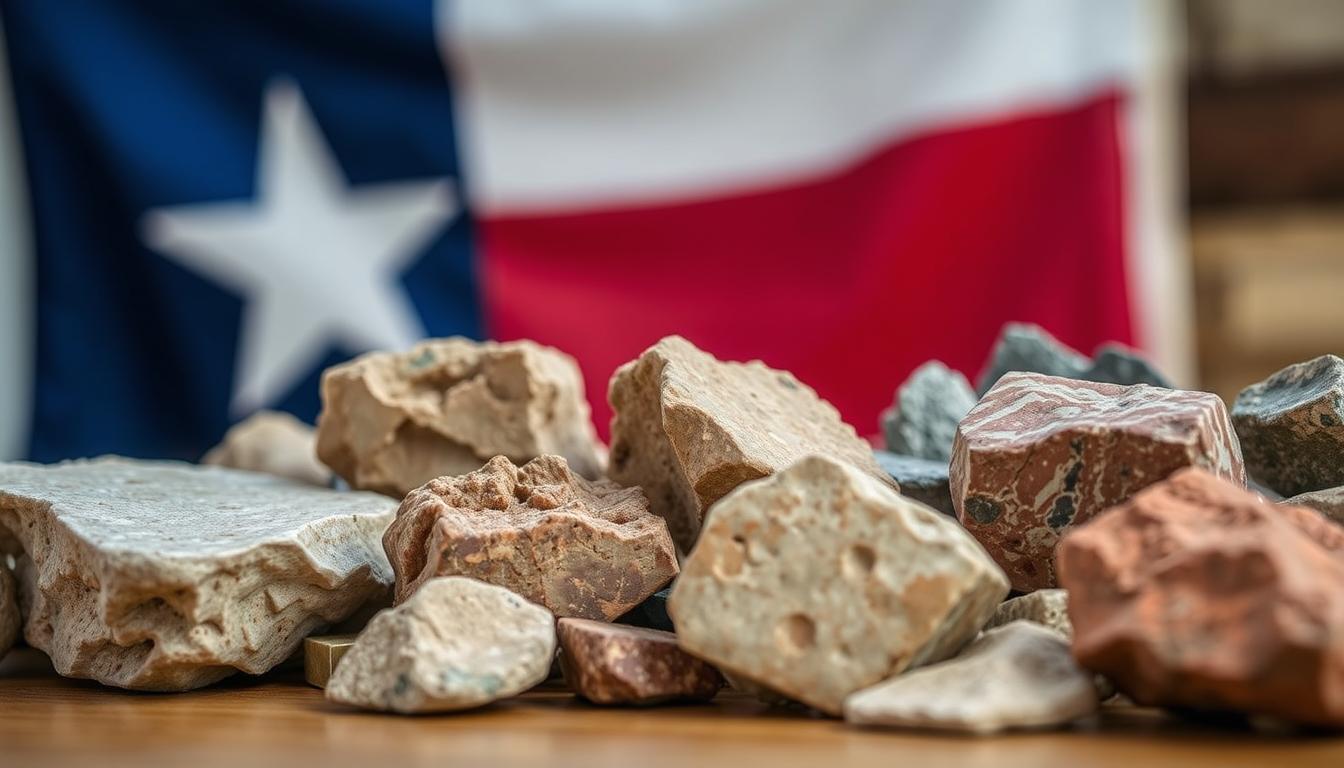
Rock Collecting Laws In Texas vary by location and land ownership, making it important to understand where you can legally hunt for specimens. Texas offers incredible geological diversity, from agate beds to fossil deposits, but collecting rules differ significantly between public lands, private property, and protected areas.
Whether you’re searching for bluebonnets at state parks or hunting for petrified wood on private ranches, knowing the legal guidelines protects you from fines and helps preserve these natural resources for future collectors.
TL;DR
- Texas state parks allow rock collecting with a $50 annual permit, limited to 5 pounds per day per person.
- Private land requires written permission from landowners, with many ranches charging $20-100 per day for access.
- National forests prohibit rock collecting entirely, with violations carrying fines up to $5,000.
- Commercial collecting requires separate permits and higher fees, typically $200-500 annually depending on volume.
Rock Collecting Laws In Texas: Key Regulations
Texas rock collecting laws depend entirely on land ownership and management. Public lands have specific permit requirements and collection limits, while private lands require landowner permission.
The most important distinction lies between recreational and commercial collecting, as permit costs and restrictions vary dramatically between these categories. Understanding these regulations helps rockhounds navigate the legal landscape, similar to the comprehensive guidelines found in Rock Collecting Laws in Arizona which also balances public access with conservation needs.
State Park Collecting Rules
Texas State Parks require an annual Rock Hound Permit costing $50 for residents and $75 for non-residents. This permit allows you to collect rocks, minerals, and fossils from designated areas within participating state parks.
Collection limits include 5 pounds per person per day, with a maximum of 25 pounds per permit year. Parks provide designated collecting areas and restrict access to sensitive geological formations.
- Garner State Park – Known for limestone specimens and fossils along the Frio River
- Pedernales Falls State Park – Offers excellent limestone and chert collecting opportunities
- Dinosaur Valley State Park – Permits fossil collecting in specific zones away from trackways
- Big Bend Ranch State Park – Features diverse mineral specimens including agate and jasper
Permit Application Process
Apply for rock collecting permits online through the Texas Parks and Wildlife website or at any participating state park office. Permits activate immediately upon purchase and remain valid for 12 months from the issue date.
You must carry your permit while collecting and present it to park rangers upon request. Some parks require advance reservations during peak collecting seasons, much like the permit systems used in Rock Collecting Laws in Colorado where state regulations ensure sustainable collecting practices.
Private Land Collecting Guidelines
Private property offers the best collecting opportunities in Texas, but requires written permission from landowners. Many ranchers charge daily access fees ranging from $20 to $100 depending on the location and specimen quality.
Popular private collecting areas include the Woodward Ranch near Alpine for agate and the Stillwell Ranch for various minerals and fossils. Always respect property boundaries and follow any specific rules set by landowners.
Get Written Permission
Always obtain written permission before collecting on private land. Verbal agreements can lead to trespassing charges if misunderstandings occur.
Commercial vs Recreational Collecting
Commercial collecting requires special permits and higher fees on both public and private lands. Texas defines commercial collecting as any activity intended for resale, regardless of profit amounts.
Commercial permits on state lands cost $200-500 annually and include strict reporting requirements. Private landowners typically charge commercial collectors 2-3 times standard recreational rates.
Prohibited Areas and Restrictions
Several types of public land completely prohibit rock collecting under federal and state regulations. National forests, national parks, and wildlife management areas strictly forbid removing any geological specimens.
Violations in these areas carry serious penalties including fines up to $5,000 and potential criminal charges for repeat offenses. This strict enforcement mirrors the regulations found in other states with significant federal lands, such as those detailed in Rock Collecting Laws in Utah where national park protections take precedence over collecting activities.
- Big Bend National Park – Zero tolerance policy with $500 minimum fines
- Guadalupe Mountains National Park – Strict preservation rules with criminal penalties
- National Forests – Complete collecting ban on all 750,000+ acres
- Wildlife Management Areas – Focus on habitat protection prohibits collecting
Protected Species and Formations
Certain fossils and minerals receive special protection regardless of land ownership. Vertebrate fossils on public land require scientific permits and must remain in approved institutions.
Collecting Native American artifacts remains illegal on all lands, with federal penalties including prison time for violations. When in doubt about specimen legality, contact local authorities or geological societies for guidance.
Best Practices for Legal Collecting
Successful rock collecting in Texas requires preparation and respect for regulations. Research your target locations thoroughly and contact land managers before visiting to confirm current rules.
Join local rock and mineral clubs to access private collecting sites and stay updated on law changes. These organizations often negotiate group rates and provide valuable location information, similar to the community resources available to collectors following Rock Collecting Laws in New Mexico where clubs help navigate complex land ownership patterns.
- Research First. Check current regulations and permit requirements before traveling to collecting sites.
- Get Proper Permits. Purchase required permits and keep documentation readily available during trips.
- Respect Limits. Follow weight restrictions and collection quotas to avoid penalties.
- Leave No Trace. Fill holes, pack out trash, and minimize environmental impact.
- Document Finds. Record collection locations and dates for scientific and legal purposes.
Frequently Asked Questions
Do I need a permit to collect rocks on Texas beaches?
Beach collecting on public shores requires no permits, but removing large quantities or selling specimens may trigger commercial regulations.
Can I collect fossils from creek beds on private property?
Yes, with written landowner permission, but vertebrate fossils may require additional scientific permits regardless of land ownership.
What happens if I’m caught collecting without permits?
Penalties range from $50-200 fines for minor violations to $5,000+ fines and criminal charges for serious infractions in protected areas.
Are there restrictions on collecting tools in state parks?
Most state parks allow hand tools only – no power equipment, explosives, or heavy machinery for rock collecting activities.
Final Thoughts
Rock Collecting Laws In Texas provide clear frameworks for legal specimen hunting when you understand the different requirements for public and private lands. The key lies in obtaining proper permits, respecting collection limits, and securing landowner permission where required.
Start with state park permits to learn the basics, then explore private ranch opportunities as your skills and knowledge develop.