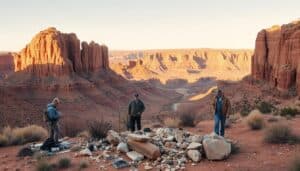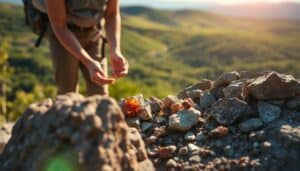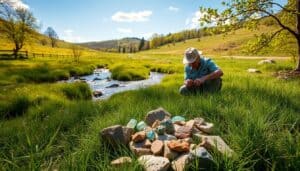
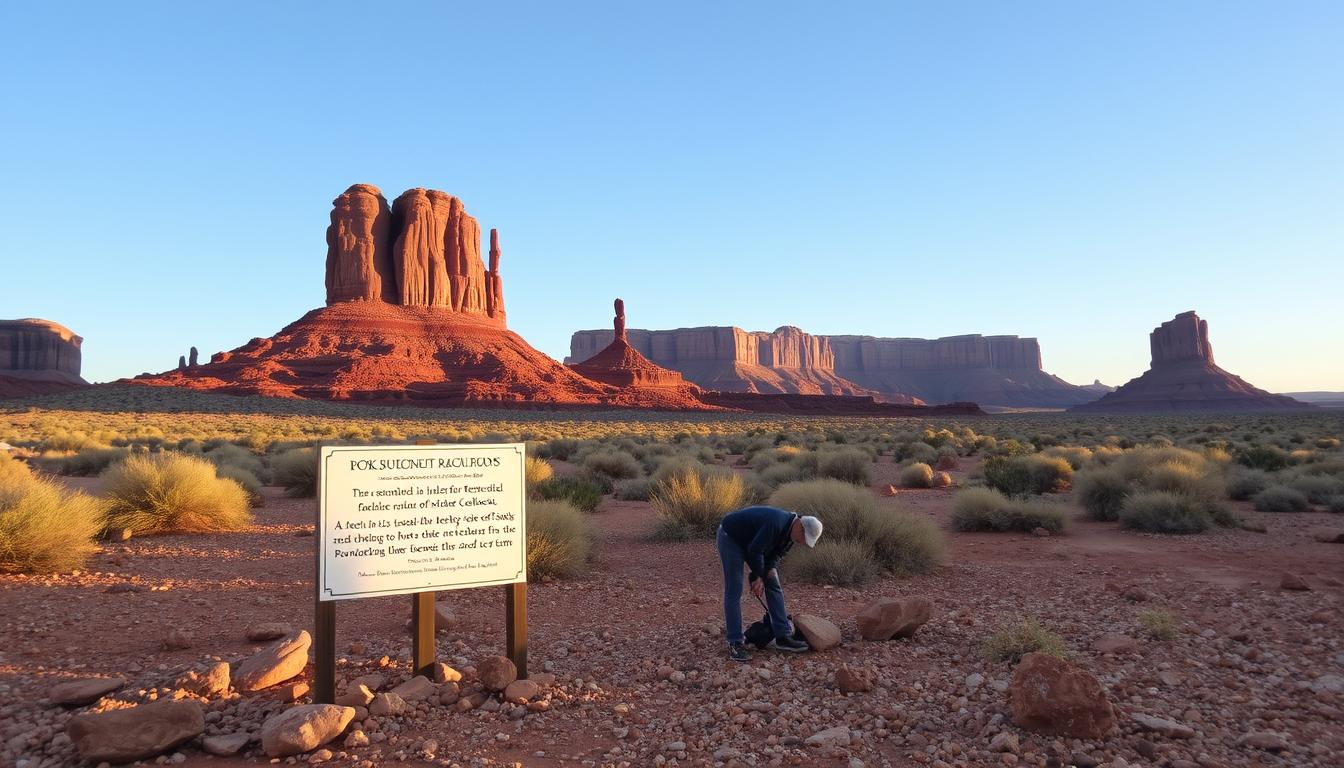
Rock Collecting Laws In Utah can seem confusing at first, but understanding the basic rules helps you enjoy this hobby legally and responsibly. Utah offers incredible opportunities for rock hounds, from beautiful agates to stunning fossils, but different areas have different regulations.
Whether you’re planning your first collecting trip or you’re an experienced hobbyist, knowing where you can collect and what restrictions apply keeps you on the right side of the law. This guide breaks down everything you need to know about collecting rocks legally in Utah.
TL;DR
- Private land requires written permission from landowners before collecting any rocks or minerals.
- National parks prohibit all rock collecting, with fines up to $5,000 for violations.
- BLM and Forest Service lands allow casual collecting up to 25 pounds per day for personal use.
- State parks have individual policies – some allow collecting while others prohibit it entirely.
Rock Collecting Laws In Utah Overview
Utah’s rock collecting laws vary significantly depending on land ownership and management. Federal, state, and private lands each have their own rules that collectors must follow.
The key is identifying who owns the land before you start collecting. Most violations happen because people assume they can collect anywhere, but trespassing and theft charges can result from collecting on restricted property.
Federal Land Regulations
Federal agencies manage the majority of Utah’s land, and each has specific policies for rock collecting activities.
National Parks Service (NPS)
All national parks in Utah completely prohibit rock, mineral, and fossil collecting. This includes Zion, Bryce Canyon, Arches, Canyonlands, and Capitol Reef National Parks.
Penalties for collecting in national parks include fines up to $5,000 and potential criminal charges. Park rangers actively patrol popular areas and investigate reports of illegal collecting.
Bureau of Land Management (BLM)
BLM lands offer the most opportunities for rock collectors in Utah. The agency allows casual collecting for personal use with these limits:
- Daily limit – Up to 25 pounds of rocks and minerals per person per day
- Annual limit – Maximum of 250 pounds per person per year
- Personal use only – No commercial collecting or selling allowed
- Hand tools only – No motorized equipment or explosives permitted
U.S. Forest Service
Forest Service lands generally follow similar rules to BLM property. Casual collecting is allowed up to 25 pounds per day for personal use, but some wilderness areas may have additional restrictions.
Check with local ranger districts before collecting, as individual forests may have site-specific rules or seasonal closures.
State and Local Regulations
Utah state parks and other state-managed lands have varying policies for rock collecting activities.
Utah State Parks
State park policies differ significantly from park to park. Some allow limited collecting while others prohibit it entirely:
- Antelope Island State Park – No collecting allowed
- Goblin Valley State Park – Limited collecting permitted in designated areas
- Dead Horse Point State Park – No collecting allowed
- Snow Canyon State Park – Prohibited except for designated collecting areas
Private Property Rules
Private land collecting requires explicit written permission from property owners. Verbal permission isn’t sufficient if legal issues arise later.
Many mining claims appear to be abandoned but remain active private property. Collecting on active claims without permission constitutes theft and trespassing, with serious legal consequences.
Always Verify Land Ownership
Use the BLM’s Land and Mineral Legacy Rehost System online to check land ownership before collecting. This free tool helps you avoid accidental trespassing on private or restricted property.
Permits and Special Collecting Areas
Some locations require special permits or have designated collecting areas with specific rules.
Topaz Mountain
This popular collecting area sits on BLM land and follows standard BLM collecting rules. The 25-pound daily limit applies to topaz and other minerals found here.
Peak collecting season runs from spring through fall when weather conditions allow safe access to collecting areas.
Fossil Collecting
Vertebrate fossils (animals with backbones) require special permits on federal lands and cannot be collected casually. Invertebrate fossils like trilobites fall under standard collecting rules on BLM and Forest Service property.
Always research fossil regulations before collecting, as penalties for illegal fossil collecting can be severe.
Best Practices for Legal Collecting
Following these guidelines helps ensure your collecting activities remain legal and ethical, and if you’re collecting in nearby states, similar principles apply to rock collecting laws in Colorado and rock collecting laws in Wyoming:
- Research first. Check land ownership and regulations before visiting any collecting site.
- Carry permits. Keep any required permits or permission letters with you while collecting.
- Stay within limits. Respect daily and annual collecting limits on federal lands.
- Leave no trace. Fill in holes and pack out all trash to preserve sites for future collectors.
- Respect closures. Honor seasonal closures and restricted areas designed to protect wildlife or cultural resources.
Frequently Asked Questions
Can I sell rocks I collect on BLM land in Utah?
No, BLM regulations only allow collecting for personal use. Selling collected materials violates federal collecting regulations and can result in fines.
Do I need a permit to collect rocks on BLM land?
No permit is required for casual collecting up to 25 pounds per day on most BLM lands. However, some special areas may require permits, so check locally.
What happens if I get caught collecting in a national park?
Collecting in national parks can result in fines up to $5,000, confiscation of collected materials, and potential criminal charges. All national parks in Utah prohibit collecting.
Are there any free public collecting areas in Utah?
Yes, BLM and Forest Service lands allow free casual collecting within daily limits. Popular areas include Topaz Mountain and various locations throughout the state.
How can I find out who owns land before collecting?
Use the BLM’s online Land and Mineral Legacy Rehost System to check land ownership. County records and local BLM offices also provide ownership information.
Final Thoughts
Rock Collecting Laws In Utah are manageable once you understand the basic framework of federal, state, and private land regulations. BLM and Forest Service lands offer the best opportunities for legal collecting, while national parks and many state parks prohibit the activity entirely.
Start by researching land ownership and regulations for your target collecting areas. Following the rules protects both you and these valuable geological sites for future generations of rock hounds to enjoy. For collectors planning trips to neighboring states, understanding rock collecting laws in Arizona and rock collecting laws in New Mexico can help you expand your rockhounding adventures while staying within legal boundaries.