
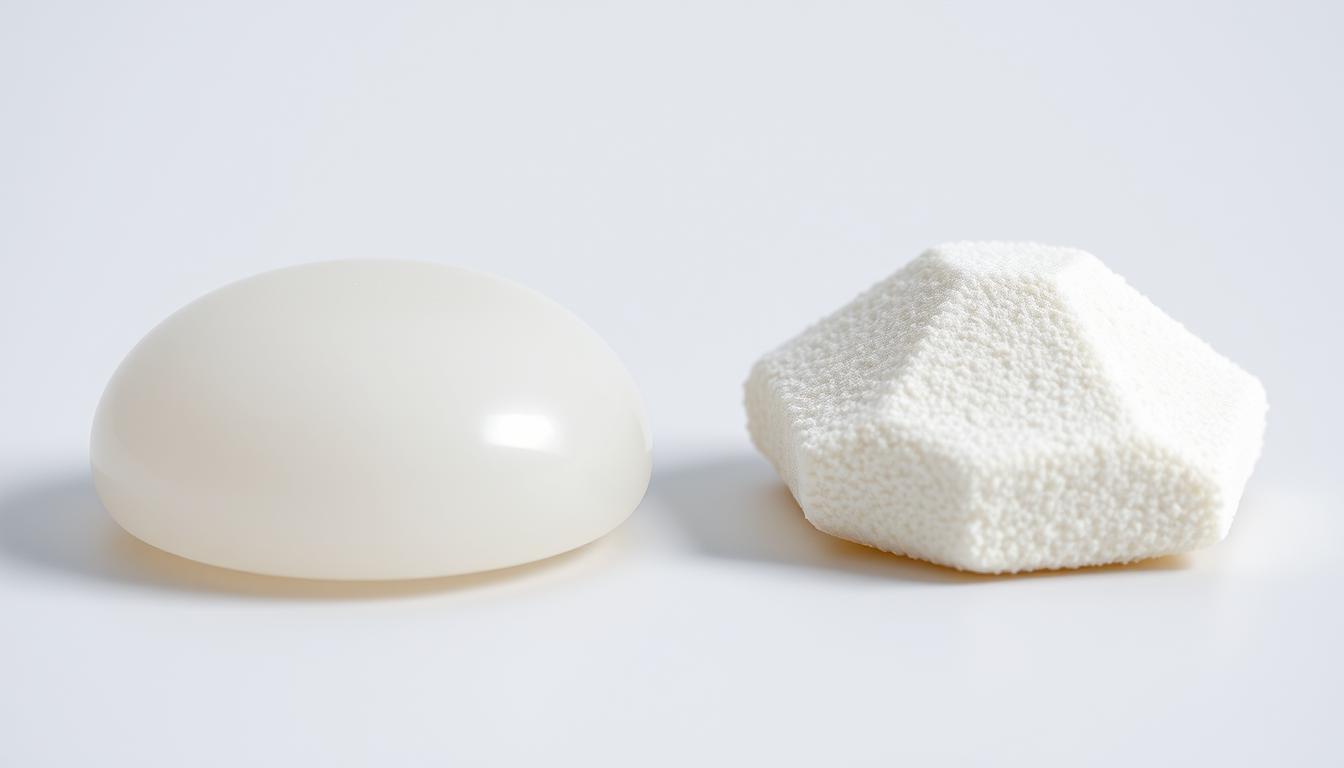
In industrial settings, choosing between Plastic Pellets Vs Ceramic Media can make or break your surface finishing project. Each type of abrasive media brings distinct advantages depending on your specific application needs.
Understanding the key differences between these two options helps you make the right choice for your equipment and desired results. Whether you’re running a vibratory tumbler or rotary system, the media you select directly impacts your finish quality and processing efficiency, similar to how selecting the right grit for rock tumbling affects your final polish.
TL;DR
- Ceramic media lasts 3-5 times longer than plastic pellets in heavy-duty applications.
- Plastic pellets cost 40-60% less upfront but may need more frequent replacement.
- Ceramic media works best for aggressive cutting while plastic pellets excel at gentle cleaning.
- Equipment type matters – vibratory tumblers favor ceramic while rotary systems often prefer plastic.
Plastic Pellets Vs Ceramic Media: Core Differences
The fundamental difference between these media types lies in their material composition and hardness levels. Ceramic media are manufactured from fired ceramic materials, creating a dense, hard surface that excels at aggressive material removal.
Plastic pellets, made from polymers like polyethylene or polypropylene, offer a softer approach that protects delicate surfaces. This gentler action makes them perfect for cleaning and light deburring without causing damage to your workpieces.
Physical Properties That Matter
Hardness plays the biggest role in determining which media works best for your application. Ceramic media typically measure 6-8 on the Mohs hardness scale, while plastic pellets range from 1-3.
This hardness difference translates directly to performance characteristics:
- Ceramic media – Aggressive cutting, fast material removal, excellent for heavy deburring
- Plastic pellets – Gentle cleaning, surface preparation, ideal for soft metals and delicate parts
- Durability – Ceramic lasts significantly longer but costs more initially
- Shape retention – Ceramic maintains its cutting edges while plastic wears smooth
Size and Shape Options
Both media types come in various sizes and shapes to match specific applications. Ceramic media offers more precision shapes like pyramids, triangles, and cylinders for targeted finishing work.
Plastic pellets typically come in spherical or cylindrical shapes, focusing on gentle, uniform contact with your workpieces. The size range for both spans from fine 1mm pieces to large 25mm media.
Media Selection Tip
Start with plastic pellets if you’re unsure about your surface requirements. They’re forgiving and less likely to damage your parts during testing.
Performance in Different Applications
Your choice between plastic pellets and ceramic media should align with your specific finishing goals. Heavy-duty applications like removing rust, scale, or thick coatings benefit from ceramic media’s aggressive action.
Light cleaning, paint preparation, and delicate part finishing work better with plastic pellets. These applications require surface preparation without material removal or surface damage, much like how preventing rock bruising during tumbling requires careful media selection.
Processing Speed Considerations
Ceramic media generally processes parts faster due to its cutting efficiency. You’ll see cycle times reduced by 30-50% compared to plastic pellets in aggressive applications.
However, plastic pellets may actually be faster for light cleaning tasks since they don’t require the careful monitoring needed to prevent over-processing with ceramic media. Understanding how long tumbling processes take helps optimize your finishing schedules regardless of media choice.
Equipment Compatibility
Vibratory tumblers work exceptionally well with ceramic media because the controlled vibration maximizes the cutting action. The consistent contact pattern enhances the aggressive finishing capability.
Rotary tumblers often perform better with plastic pellets since the cascading action creates gentler contact. This prevents excessive wear on both the media and your equipment, and proper tumbler barrel cleaning extends equipment life regardless of media type.
Cost Analysis and ROI
Initial costs favor plastic pellets, which typically cost 40-60% less than ceramic media. However, ceramic media’s longer lifespan often provides better value over time in heavy-use applications.
Consider these cost factors when making your decision:
- Media replacement frequency. Ceramic lasts 3-5x longer in aggressive applications.
- Processing efficiency. Faster cycles with ceramic can increase throughput.
- Labor costs. Less frequent media changes reduce maintenance time.
- Part quality. Better finishes may command higher prices for your products.
Industry-Specific Applications
Automotive and aerospace industries often choose ceramic media for critical components requiring precise surface finishes. The consistency and durability justify the higher initial investment.
Electronics manufacturing typically favors plastic pellets to avoid damage to sensitive components. The gentle cleaning action removes residues without affecting delicate surfaces or coatings.
General manufacturing operations often use both types depending on the specific job requirements. Having both options available provides maximum flexibility for different projects, and understanding common tumbling mistakes helps ensure optimal results with either media type.
Frequently Asked Questions
Which media type lasts longer in heavy-duty applications?
Ceramic media typically lasts 3-5 times longer than plastic pellets in aggressive finishing applications due to their superior hardness and wear resistance.
Can I use ceramic media in rotary tumblers?
Yes, but ceramic media works more effectively in vibratory systems where the controlled action maximizes cutting efficiency while preventing excessive equipment wear.
Are plastic pellets suitable for rust removal?
Plastic pellets work for light rust removal but ceramic media handles heavy rust and scale removal much more effectively due to their aggressive cutting action.
How do I know when to replace my finishing media?
Replace ceramic media when edges become rounded or when processing times increase significantly, and replace plastic pellets when they become too smooth to provide adequate cleaning action.
Which media type is better for delicate electronic components?
Plastic pellets are preferred for electronics since they provide gentle cleaning without risking damage to sensitive components or surface coatings.
Final Thoughts
Plastic Pellets Vs Ceramic Media ultimately comes down to matching your media choice to your specific application requirements. Ceramic media excels in aggressive finishing while plastic pellets provide gentle, protective cleaning action.
Start by evaluating your surface finish requirements, equipment type, and budget constraints to make the best choice for your operation.