
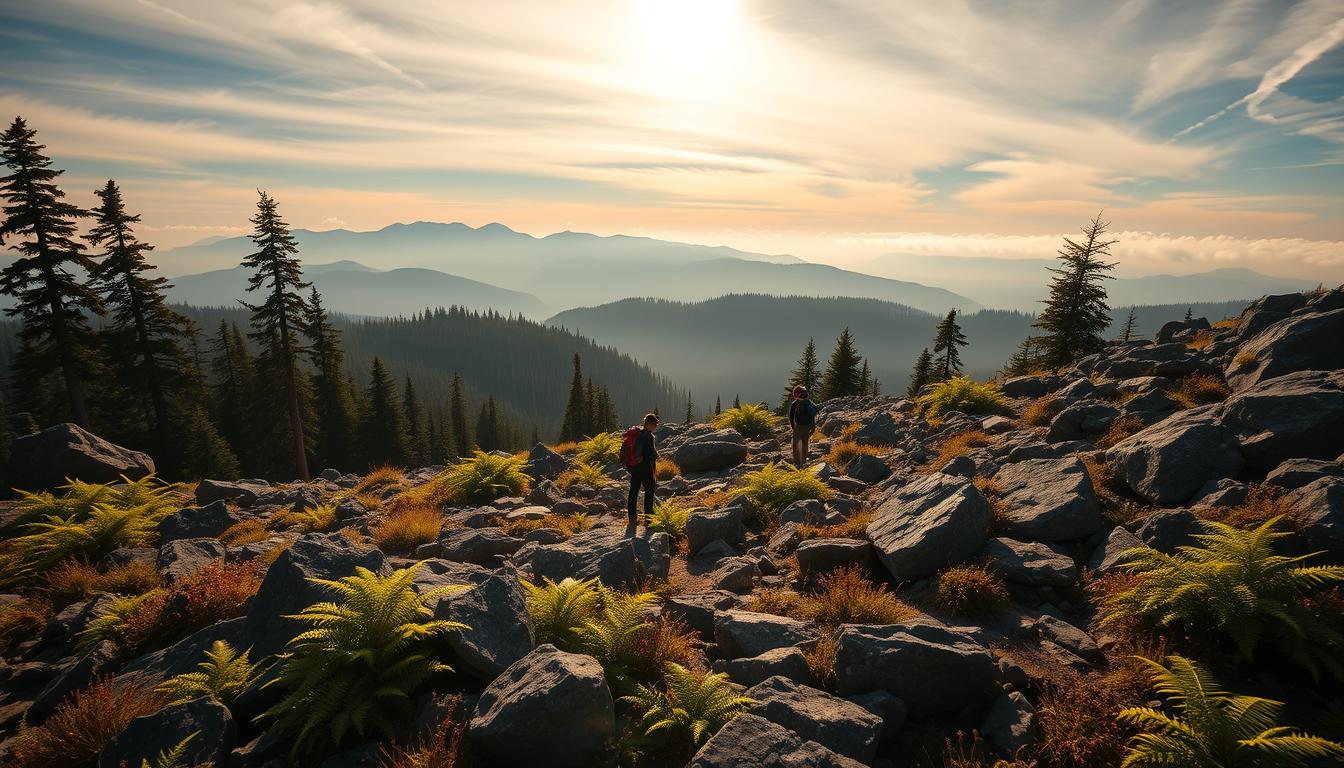
Rockhounding Oregon offers some of the most diverse and rewarding mineral hunting experiences in the United States. The state’s unique geological history has created perfect conditions for finding everything from colorful agates and jaspers to rare minerals and fossils.
Oregon’s volcanic activity, ancient ocean floors, and diverse rock formations make it a paradise for both beginning and experienced rockhounds. You’ll discover public beaches loaded with agates, high desert areas rich in thundereggs, and mountain regions where precious metals and crystals wait to be found.
TL;DR
- Oregon has over 30 designated rockhounding sites including Richardson’s Rock Ranch with 2,500 acres of digging areas.
- The best agate hunting happens from October through March when winter storms expose fresh material on beaches.
- Thundereggs are Oregon’s official state rock and can be found at 15+ public collecting locations throughout central Oregon.
- Most Oregon state parks allow rockhounding with a daily limit of one 5-gallon bucket per person.
Rockhounding Oregon: Top Locations and What You’ll Find
Oregon’s rockhounding opportunities span from the Pacific coast to the high desert, each region offering distinct treasures. The state’s geological diversity means you can hunt for beach agates in the morning and search for thundereggs in the afternoon.
The Oregon coast produces some of the world’s finest agates, particularly along beaches near Newport, Lincoln City, and Bandon. These semi-precious stones form when silica-rich water fills cavities in volcanic rock, creating the banded patterns collectors prize.
Best Oregon Rockhounding Locations
Each region of Oregon offers unique rockhounding experiences with different minerals and access requirements. Some locations require fees while others are completely free to explore.
Oregon Coast Agate Hunting
The Oregon coast delivers consistent agate finds year-round, with peak hunting after winter storms. Low tide periods expose the most material, and early morning searches often yield the best specimens when following the principles outlined in our guide to the best rockhounding beaches.
- Agate Beach near Newport – famous for large agates and easy parking access.
- Beverly Beach State Park – produces colorful carnelian and banded agates.
- Gold Beach area – known for rare black agates and jaspers.
- Bandon Beach – offers agates mixed with interesting driftwood and shells.
Central Oregon Thunderegg Sites
Central Oregon’s high desert region is thunderegg country, where these hollow volcanic rocks filled with agate and opal create stunning specimens when cut and polished. Many sites charge small fees but provide tools and guaranteed finds.
- Richardson’s Rock Ranch – 2,500 acres with guided hunts and equipment rental.
- Ochoco National Forest – free public collecting with forest service permits.
- White Fir Springs – produces large thundereggs with colorful agate centers.
- Succor Creek – features thundereggs and scenic jasper hunting.
Eastern Oregon Mineral Hunting
Eastern Oregon’s remote areas hide some of the state’s most valuable finds, including precious metals, garnets, and rare minerals. These locations often require more hiking but reward dedicated collectors.
- Steens Mountain – produces garnets and interesting volcanic glass.
- Glass Buttes – offers obsidian collecting with permits.
- Juniper Ridge – features fire opal and colorful jaspers.
Check Tide Tables Before Beach Hunting
Plan your Oregon coast rockhounding trips around low tide times when the most beach area is exposed. The two hours before and after low tide offer the best collecting conditions.
Essential Oregon Rockhounding Gear
Successful Oregon rockhounding requires specific tools for different environments and target materials. Beach hunting needs different equipment than high desert digging or mountain collecting, so consulting a comprehensive rockhounding checklist before your trip ensures you’re properly prepared.
Basic Rockhounding Tools
- Rock hammer or geology pick. Choose 16-24 oz weight for most Oregon collecting situations.
- Collection bags or buckets. Bring multiple sizes since Oregon parks limit daily collecting volumes.
- Safety glasses and gloves. Protect yourself when breaking rocks or digging in rough terrain.
- GPS device or smartphone. Mark productive locations for return visits to remote areas.
- First aid kit. Essential for remote collecting areas far from immediate help.
Specialized Equipment for Different Sites
Some Oregon locations require specific tools or preparation for successful collecting. Beach hunting needs different gear than mountain or desert collecting.
- Small shovel for beach digging – useful for buried agates in sand and gravel.
- UV flashlight – reveals fluorescent minerals in some eastern Oregon locations.
- Water and snacks – many prime sites are far from services.
- Camera – document finds and locations for future reference.
Oregon Rockhounding Rules and Regulations
Oregon rockhounding regulations vary by location and land ownership, so research rules before visiting any site. Most locations allow reasonable personal collecting but prohibit commercial harvesting.
State parks typically allow one 5-gallon bucket per person per day, while national forests may require permits for certain areas. Private fee sites often have their own rules about tools and daily limits.
Important Legal Guidelines
- Respect private property – always get permission before collecting on private land.
- Follow park regulations – each location has specific rules about collecting limits.
- Leave no trace – fill holes and pack out trash from all collecting areas.
- Check seasonal closures – some areas close during wildlife nesting seasons.
Best Times for Oregon Rockhounding
Oregon’s rockhounding seasons vary by location and target material, with coastal areas productive year-round while high elevation sites may be snow-covered in winter. Weather patterns significantly affect collecting success in different regions.
Beach collecting peaks after winter storms when wave action exposes fresh material and washes specimens onto shore. Mountain and desert areas are most accessible from late spring through early fall when roads are clear.
Seasonal Collecting Calendar
- Spring (March-May) – excellent for coast collecting as winter storms settle.
- Summer (June-August) – peak season for high elevation and desert sites.
- Fall (September-November) – great weather for all regions before winter closures.
- Winter (December-February) – limited to coastal areas and low elevation sites.
Frequently Asked Questions
Do I need permits for rockhounding in Oregon?
Most Oregon state parks allow rockhounding without permits, but some national forest areas require free collecting permits. Private fee sites have their own requirements.
What are the best Oregon beaches for agate hunting?
Agate Beach near Newport, Beverly Beach State Park, and the Bandon area consistently produce quality agates. Low tide conditions offer the best collecting opportunities.
When is thunderegg season in central Oregon?
Thunderegg sites in central Oregon are typically accessible from April through October. Richardson’s Rock Ranch and other fee sites operate on seasonal schedules.
How much can I collect at Oregon rockhounding sites?
Oregon state parks typically allow one 5-gallon bucket per person per day. Private fee sites may have different limits, while some national forest areas restrict collecting amounts.
Final Thoughts
Rockhounding Oregon provides incredible opportunities to discover beautiful specimens while exploring the state’s diverse landscapes. From coastal agates to high desert thundereggs, Oregon’s geological treasures reward both casual collectors and serious mineral hunters.
Start with easily accessible locations like state park beaches or established fee sites to build your skills before tackling remote wilderness areas. Remember to prioritize rockhounding safety and learn proper rock identification techniques to enhance your collecting success. Plan ahead for seasonal closures and always follow local regulations to preserve these collecting opportunities for future rockhounds.