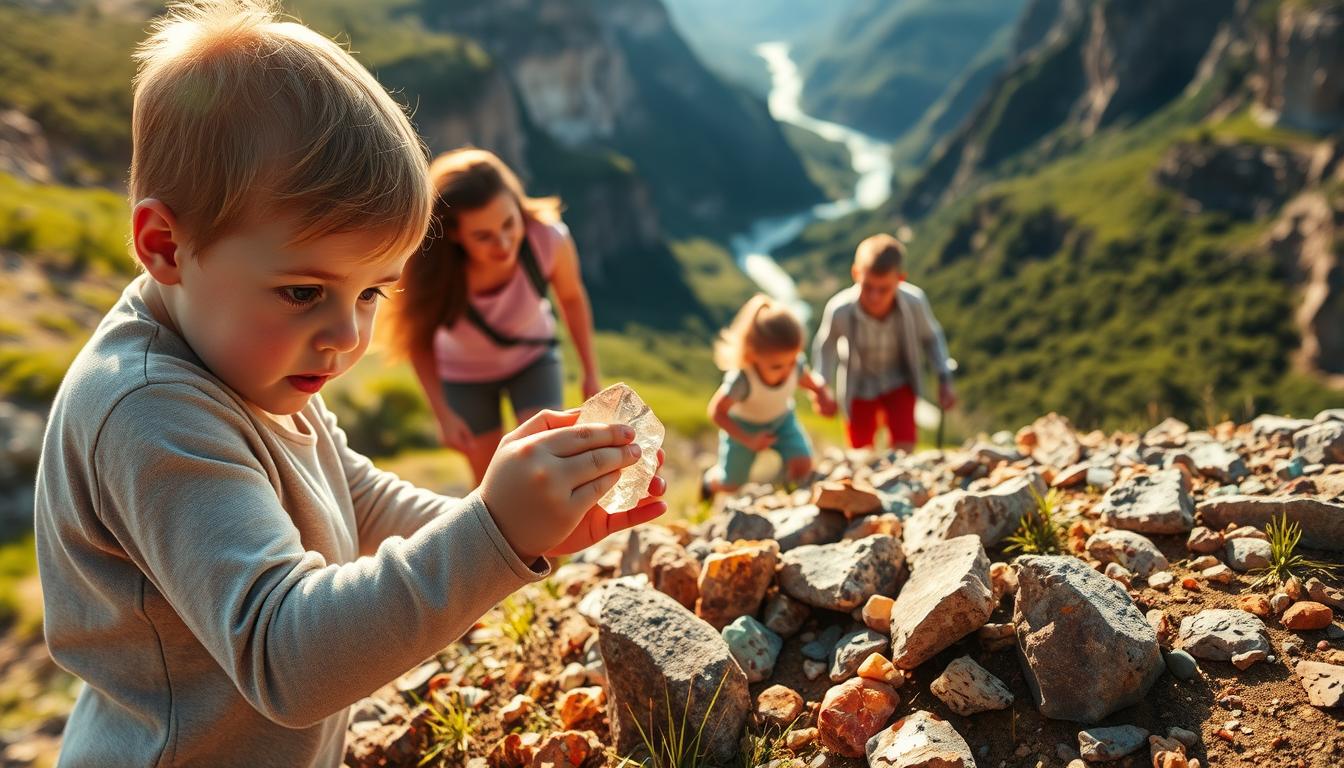
Family Rockhounding Activities offer an excellent way to combine outdoor adventure with hands-on learning experiences. This engaging hobby allows families to explore nature together while discovering the fascinating world of geology and earth sciences.
Rockhounding involves searching for and collecting rocks, minerals, fossils, and other geological specimens in their natural environments. It transforms ordinary family outings into educational treasure hunts that build lasting memories and strengthen family bonds.
TL;DR
- Basic rockhounding gear costs under $50 and includes a rock pick, small shovel, magnifying glass, and collection bags.
- The Adirondack Mountains in New York and Arkansas quartz mines offer excellent family-friendly rockhounding with parking and restroom facilities.
- Children as young as 4 can participate with proper supervision, while teens can learn advanced identification techniques using field guides.
- Most public lands allow free rockhounding, while fee mining sites charge $10-30 per person but guarantee finding specimens.
Family Rockhounding Activities That Build Skills and Memories
Rockhounding combines physical activity with scientific learning in ways that captivate children of all ages. Families develop patience and observation skills while exploring diverse geological formations across different terrains.
The hobby teaches children to slow down and examine their surroundings carefully. They learn to distinguish between different rock types, understand geological processes, and appreciate the natural world in deeper ways. For beginners just starting out, it’s important to avoid common rockhounding mistakes that can dampen the family experience.
Educational Benefits for Young Explorers
Children naturally develop scientific thinking through rockhounding activities. They practice hypothesis formation when predicting where certain rocks might be found, then test their theories through active exploration.
The hands-on nature of rockhounding reinforces classroom geology lessons. Kids remember concepts better when they discover quartz crystals or identify sedimentary layers themselves rather than just reading about them in textbooks.
Essential Gear for Safe Family Adventures
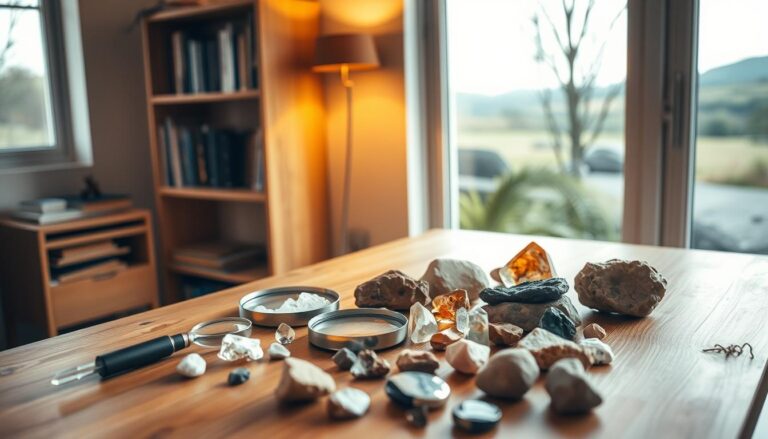
Successful family rockhounding starts with proper equipment that keeps everyone safe and engaged. A basic kit should include safety glasses, work gloves, and a small pick or hammer designed for beginners.
Collection containers help organize finds during trips. Bring several small boxes or bags to separate different specimens, plus bubble wrap or newspaper to protect delicate discoveries.
Safety Equipment and Precautions
- Protective eyewear – prevents rock chips from causing eye injuries during specimen extraction.
- Sturdy gloves – protects hands from sharp edges and rough surfaces.
- Closed-toe shoes – essential for protecting feet on rocky terrain.
- First aid kit – includes bandages, antiseptic wipes, and pain relievers for minor injuries.
- Sun protection – hats and sunscreen prevent burns during long outdoor sessions.
Tools That Make Discovery Easier
Child-sized tools work better than adult equipment for young rockhounds. Small picks allow better control, while lightweight shovels reduce fatigue during extended digging sessions.
Magnifying glasses or small hand lenses help children examine crystal structures and mineral properties up close. Field guides with clear pictures aid in specimen identification and spark curiosity about geological formation processes. After collecting rocks, proper tool maintenance will ensure your equipment lasts for many family adventures.
Start Small and Build Confidence
Begin with easy-to-find specimens like quartz or common fossils in your local area. Success early on builds enthusiasm for more challenging rockhounding adventures.
Best Family-Friendly Rockhounding Locations
The United States offers numerous rockhounding destinations that welcome families and provide facilities for comfortable visits. Public lands often allow free collecting, while private sites may offer unique specimens for reasonable fees. To help plan your family trips, check out the best states for rockhounding which highlights top destinations across the country.
National forests and state parks frequently have designated rockhounding areas with established trails and parking. These locations typically provide restrooms, picnic areas, and sometimes educational materials about local geology.
Eastern United States Destinations
The Adirondack Mountains in New York provide excellent opportunities for finding garnet, quartz, and various metamorphic rocks. Many sites offer easy access from parking areas, making them perfect for families with young children.
Maine’s pegmatite mines allow visitors to search for tourmaline, beryl, and other colorful minerals. Several fee-based operations provide tools and guidance, ensuring successful finds for beginners.
Western Rockhounding Adventures
Arizona and Nevada desert locations offer abundant agate, jasper, and petrified wood collecting opportunities. The wide-open spaces allow families to spread out and explore at their own pace.
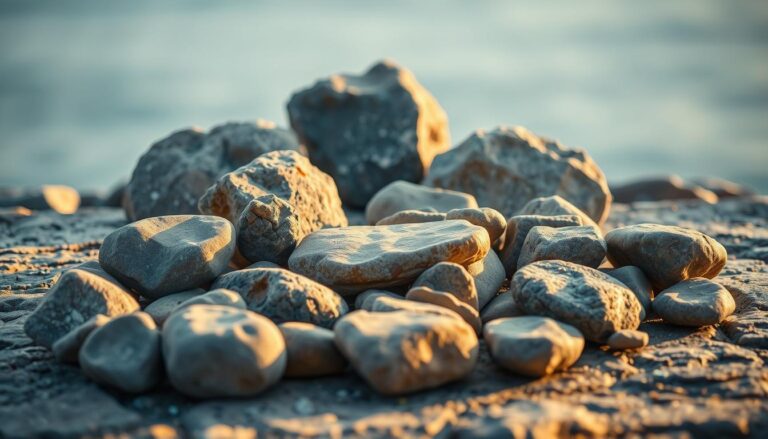
Oregon beaches provide agates and other ocean-polished specimens that wash up with each tide. The gentle surf and accessible shorelines make these locations ideal for families with children of all ages. For families planning beach trips specifically, beach rock collecting offers specialized guidance for coastal rockhounding.
Engaging Activities for Different Age Groups
Rockhounding activities should match children’s developmental stages and attention spans. Young children enjoy simple collecting games, while older kids can handle more complex identification challenges.
Create age-appropriate scavenger hunts that encourage exploration without overwhelming participants. Younger children might search for “smooth rocks” or “sparkly stones,” while teens can identify specific mineral types or geological formations. Learning about easy rocks for beginners can help families set appropriate expectations for what they might find.
Creative Projects with Found Specimens
- Rock painting. Transform ordinary finds into colorful art pieces using acrylic paints and brushes.
- Display creation. Organize collections in shadow boxes or display cases with handwritten labels.
- Jewelry making. Wire-wrap interesting stones into pendants or incorporate them into simple beaded designs.
- Garden decoration. Use collected rocks to create borders, pathways, or decorative elements in outdoor spaces.
Educational Documentation Activities
Encourage children to maintain rockhounding journals where they record locations, dates, and descriptions of their finds. Include sketches, photographs, and research notes about each specimen’s properties and formation process.
Create identification charts using field guide information and personal observations. This activity reinforces learning while building reference materials for future collecting trips. Once families have gathered a substantial collection, proper rock collection storage becomes essential for organization and preservation.
Environmental Responsibility and Ethics
Responsible rockhounding practices protect natural areas for future generations while ensuring continued access to collecting sites. Teach children to follow Leave No Trace principles and respect private property boundaries.
Collect only what you can use or display, leaving plenty of specimens for other families to discover. Avoid damaging vegetation or disturbing wildlife habitats while searching for geological treasures.
Site-Specific Rules and Regulations
Research collecting regulations before visiting any location, as rules vary significantly between different land management agencies. Some areas prohibit all collecting, while others allow limited personal use collection with specific restrictions.
National parks typically prohibit all collecting, while national forests and Bureau of Land Management areas often permit reasonable amounts for personal use. State and local regulations add another layer of complexity to consider.
Articles You May Like
Frequently Asked Questions
What age is appropriate to start rockhounding with children?
Children as young as 4 can enjoy simple rock collecting activities with proper supervision. Older children can handle more complex identification tasks and use basic tools safely.
How much does basic rockhounding equipment cost?
A complete beginner kit costs $30-50 and includes safety glasses, gloves, a small pick, magnifying glass, and collection containers. Many items can be found at hardware stores or online retailers.
Can we rockhound in national parks?
Most national parks prohibit collecting rocks, minerals, or fossils to preserve natural resources. Check specific park regulations before visiting, as some allow limited collection in designated areas.
What’s the difference between public lands and fee mining sites?
Public lands often allow free collecting with basic regulations, while fee sites charge admission but provide tools, guidance, and guaranteed finds. Fee sites typically offer better facilities and more unique specimens.
How do we identify rocks and minerals we find?
Use field guides specific to your region, along with basic tests like hardness, color, and crystal shape. Many smartphone apps can help with identification, and local rock clubs offer expert assistance.
What safety precautions are most important for families?
Always wear protective eyewear and closed-toe shoes, supervise children closely near cliffs or water, and carry a first aid kit. Stay hydrated and apply sunscreen during outdoor activities.
Final Thoughts
Family Rockhounding Activities create opportunities for shared discovery that strengthen family bonds while building scientific knowledge and appreciation for the natural world. These outdoor adventures combine physical activity with hands-on learning in ways that engage children of all ages.
Start planning your first rockhounding expedition by researching local collecting sites and assembling basic equipment. The memories and knowledge gained through these geological adventures will last a lifetime.