Rock trading opens doors to expanding your collection while connecting with fellow collectors who share your passion. Many collectors find that exchanging rocks creates friendships and learning opportunities that buying alone simply cannot match.
Whether you’re just starting out or have years of experience, mastering the art of rock trading can transform your hobby from a solo pursuit into a vibrant community experience. Smart trading strategies help you acquire rare specimens while sharing your duplicates with others who will appreciate them.
TL;DR
- Clean and properly label your specimens before trading – this increases their appeal and builds trust with other collectors.
- Research fair market values by checking recent sales of similar specimens on platforms like eBay and mineral auction sites.
- Join 2-3 local rock clubs or online forums to connect with active trading communities and learn market trends.
- Always ship specimens with bubble wrap and sturdy boxes to avoid damage and maintain your trading reputation.
Rock Trading Strategies That Work
Successful rock trading starts with understanding what makes specimens valuable to other collectors. Rarity, condition, and visual appeal drive most trading decisions, but location and personal collecting themes also play important roles.
The best traders know their inventory inside and out. They can quickly identify which specimens might interest specific collectors and understand fair exchange ratios between different types of rocks and minerals.
Building Your Trading Inventory
Start by organizing your collection into three categories: keepers, duplicates, and trading material. Focus your trading efforts on specimens that you have multiples of or pieces that don’t fit your collecting focus anymore.
Document each trading specimen with clear photos and basic information. This preparation makes you look professional and helps other collectors understand exactly what you’re offering. If you’re new to rock collecting, check out our guide on how to start a rock collection on a budget to build a solid foundation for future trading.
Preparing Specimens for Trade
Clean presentation makes all the difference in rock trading success. A properly cleaned and labeled specimen appears more valuable and trustworthy to potential trading partners.
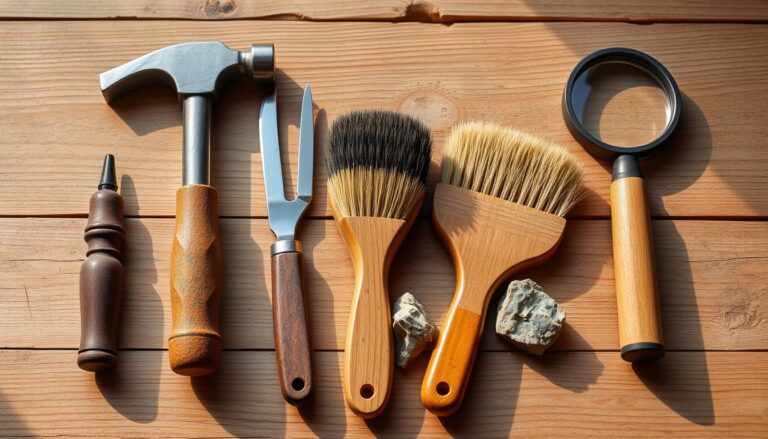
Use gentle cleaning methods like soft brushes and mild soap to avoid damaging delicate features. Some specimens benefit from careful washing, while others just need dust removal with a dry brush. For detailed cleaning techniques, our guide on how to clean rocks without a tumbler provides excellent methods that won’t damage your specimens.
Essential Documentation
Every trading specimen needs accurate identification and locality information. Include the mineral name, location where it was found, and any special characteristics that make it unique.
Create simple labels using waterproof materials. Professional-looking documentation increases trust and shows other collectors that you take the hobby seriously. Learning easy rocks for beginners to identify will help you accurately document your specimens for trading.
Photography Tips for Online Trading
Good lighting and clean backgrounds make your specimens shine in photos. Natural daylight works better than indoor lighting for showing true colors and crystal details.
Take multiple photos from different angles, including close-ups of interesting features. Clear images attract more trading interest and reduce misunderstandings about specimen quality. Our complete guide to photographing tumbled rocks offers techniques that work perfectly for trading photos.
Quick Trading Success Tip
Keep a “trading box” with 10-15 ready specimens that you can bring to any rock show or club meeting. This preparation helps you take advantage of unexpected trading opportunities.
Finding Trading Partners
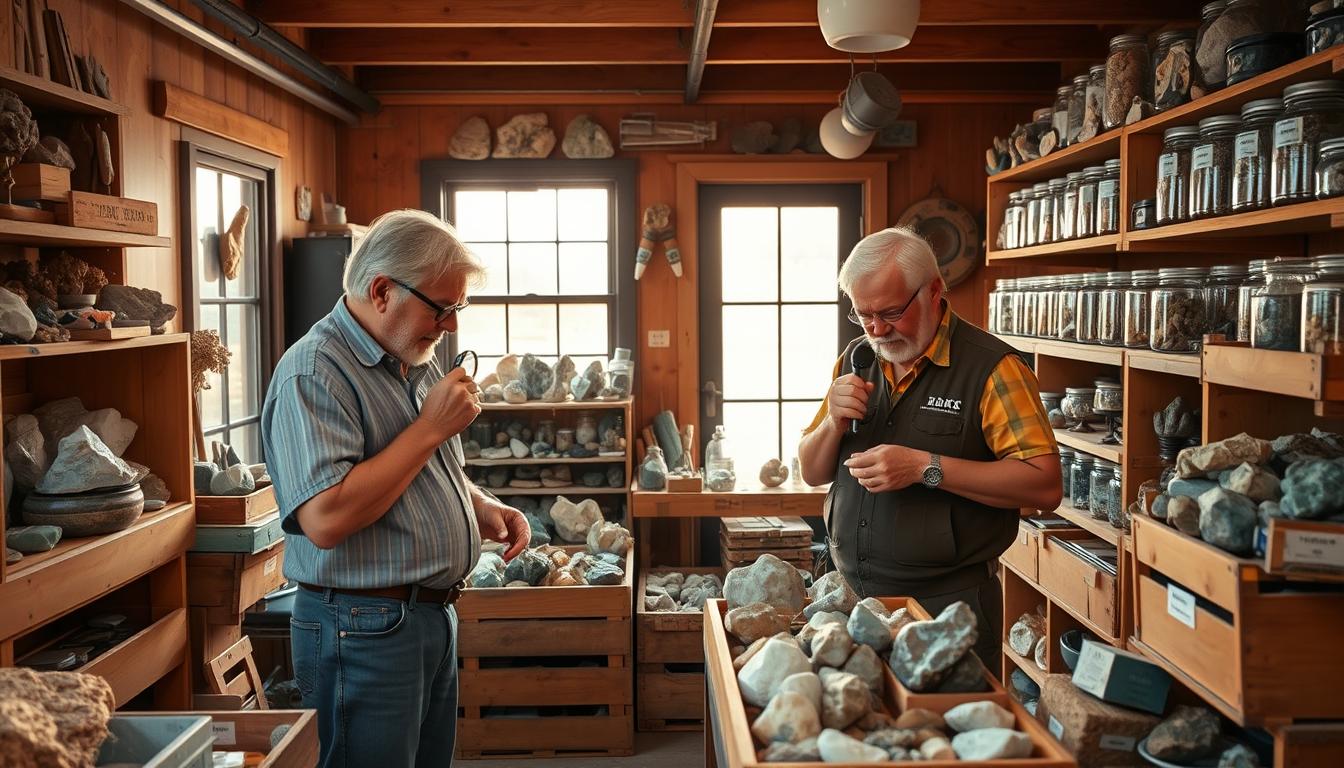
Local rock and mineral clubs offer the best starting point for new traders. Club members often have decades of experience and can teach you about fair trading practices while introducing you to other collectors.
Most clubs hold monthly meetings with informal trading sessions. These face-to-face interactions help you learn to evaluate specimens and practice negotiation skills in a friendly environment.
Online Trading Communities
Social media groups and specialized forums connect you with collectors worldwide. Popular platforms include Facebook rock trading groups and dedicated mineral collecting forums where members regularly post trade offers.
Online trading requires extra care with packaging and shipping, but it opens access to specimens from locations you may never visit personally. Start with small trades to build reputation before attempting larger exchanges.
Rock and Gem Shows
Regional shows bring together hundreds of collectors in one location, creating perfect opportunities for multiple trades in a single day. Many shows have designated areas specifically for trading between collectors.
Arrive early at shows to have first choice of available trading material. Bring a variety of specimens since you never know what might catch another collector’s interest.
Conducting Fair and Successful Trades
Fair trading means both parties feel good about the exchange. Research typical market values for your specimens and those you want to acquire, but remember that trading value often differs from retail prices.
Be honest about any flaws or repairs in your specimens. Transparency builds long-term relationships and prevents disputes that can damage your reputation in the collecting community.
Trading Etiquette Guidelines
- Respect decisions – Accept “no” gracefully and don’t pressure other collectors.
- Honor agreements – Follow through on promised trades and shipping timelines.
- Package carefully – Protect specimens during shipping with adequate padding.
- Communicate clearly – Describe specimens accurately and respond to questions promptly.
Handling Shipping and Packaging
Proper packaging protects your specimens and shows professionalism. Use bubble wrap, newspaper, or foam padding to prevent movement inside boxes during shipping.
Include tracking information and insurance for valuable trades. Most collectors appreciate receiving shipping notifications and updates about package status.
Building Long-Term Collecting Relationships
The best rock traders develop friendships that last for years. These relationships provide access to better specimens and insider knowledge about new finds and market trends.
Share your knowledge generously with other collectors. Teaching identification techniques or sharing locality information creates goodwill that comes back to benefit your own collecting goals. Consider organizing family rockhounding activities to introduce others to the hobby and expand your network.
Networking Strategies That Work
- Join multiple clubs – Participate in both local and specialized interest groups.
- Attend regional events – Travel to shows outside your immediate area occasionally.
- Volunteer at shows – Helping with events introduces you to organizers and serious collectors.
- Share collecting stories – People remember collectors who have interesting field experiences to share.
Frequently Asked Questions
How do I determine fair trade values for rock specimens?
Research recent sales on eBay, mineral auction sites, and dealer price lists for similar specimens. Consider rarity, condition, size, and visual appeal when making comparisons.
What’s the best way to package rocks for shipping?
Wrap each specimen individually in bubble wrap or newspaper, then pack tightly in a sturdy box with padding material to prevent movement during transit.
Where can beginners find rock trading opportunities?
Start with local rock and mineral clubs, which often have informal trading at meetings. Online Facebook groups and mineral forums also offer good opportunities for new traders.
Should I trade rare specimens or keep them?
Keep specimens that fit your collecting focus and have personal significance. Trade duplicates or pieces that don’t match your current interests to acquire specimens you really want.
How can I avoid trading scams online?
Start with small trades to test new partners, use PayPal goods and services for protection, and ask for additional photos if something seems unclear about a specimen.
Final Thoughts
Rock Trading Strategies work best when you approach them with patience, honesty, and genuine enthusiasm for the hobby. Building a reputation as a fair and knowledgeable trader takes time but opens doors to amazing specimens and lifelong friendships.
Start with your local rock club this month and begin building the trading relationships that will enhance your collecting for years to come.