Best Rock Tumblers For Kids can spark a lifelong interest in geology and natural science. These machines transform rough rocks into smooth, polished stones through a simple but fascinating process.
Kids love the magic of watching dull rocks become shiny gems over several weeks. The process teaches patience while introducing basic geological concepts in a hands-on way.
TL;DR
- National Geographic Hobby Rock Tumbler Kit costs under $50 and includes everything needed to start tumbling immediately.
- Rotary tumblers take 3-4 weeks to complete all four polishing stages but produce better results than vibratory models.
- Start with softer rocks like agate, jasper, or quartz – they tumble faster and show dramatic improvements.
- Most kid-friendly tumblers hold 1-3 pounds of rocks and run continuously for 7 days per stage.
Best Rock Tumblers For Kids: Top Picks
Finding the right rock tumbler depends on your child’s age, patience level, and interest in the hobby. Quality tumblers can last for years and handle hundreds of batches.
The following models consistently receive high ratings from parents and educators for their reliability and ease of use.
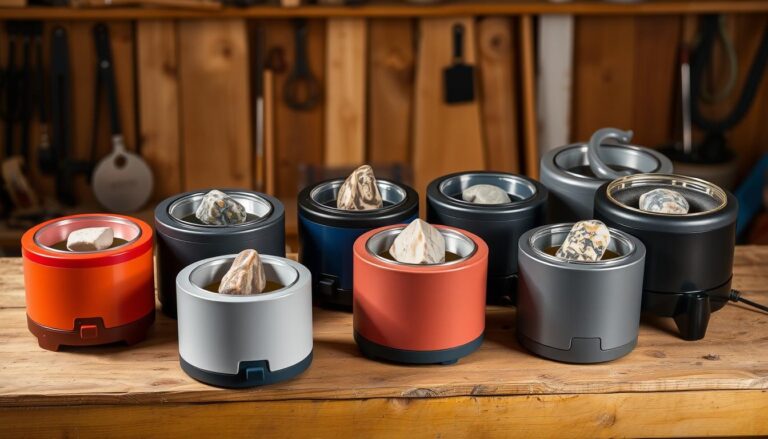
National Geographic Hobby Rock Tumbler Kit
This complete starter kit includes a 3-pound capacity tumbler, four types of grit, polish, and rough rocks. The instruction guide explains each step clearly with photos.
The tumbler runs quietly enough for bedroom use and includes a rubber barrel liner to reduce noise further. Kids can see their rocks progressing through clear barrel walls.
- Age range – 8 years and up with adult supervision
- Capacity – 3 pounds of rocks per batch
- Complete kit – includes everything needed to start immediately
- Price – typically under $60
Lortone 3A Rotary Rock Tumbler
Professional rock hounds often recommend this durable tumbler for serious young collectors. The heavy-duty motor handles tough rocks without overheating.
While more expensive than starter kits, it produces consistently better results and lasts longer with regular use. The 3-pound barrel size works well for most projects.
- Motor – powerful enough for hard rocks like jasper and agate
- Durability – built to last with proper maintenance
- Results – produces highly polished stones
- Investment – higher upfront cost but better long-term value
Thumler’s Model B Rock Tumbler
This budget-friendly option works well for younger children or casual use. The smaller 1.5-pound capacity means faster results but limits project size.
The lightweight design makes it easy for kids to handle, though adult help is still needed for setup and maintenance.
Understanding Rock Tumbler Types
Two main types of rock tumblers work differently but both can produce beautiful results. Understanding the differences helps you choose the right model for your child.
Rotary Rock Tumblers
Rotary tumblers spin a barrel filled with rocks, grit, and water. The constant tumbling action slowly grinds away rough edges and creates smooth surfaces.
These tumblers work better for beginners because they’re more forgiving and produce consistent results. Most kid-friendly models use this rotating barrel design, and understanding how long to tumble rocks is essential for achieving the best results.
- Stage 1 – Coarse grit removes rough edges (7 days)
- Stage 2 – Medium grit smooths surfaces (7 days)
- Stage 3 – Fine grit prepares for polishing (7 days)
- Stage 4 – Polish creates final shine (7 days)
Vibratory Rock Tumblers
Vibratory models use rapid vibrations instead of rotation to polish rocks. They work faster but require more skill to operate properly.
These tumblers work better for experienced users who understand proper rock selection and grit ratios. They’re less suitable for young beginners.
Start Small
Begin with just a few rocks in your first batch to learn the process. You can always add more rocks once you understand how your tumbler works.
Essential Rock Tumbling Supplies
Success in rock tumbling depends on having the right materials beyond just the tumbler itself. Quality supplies make the difference between disappointing results and beautiful polished stones.
Grit Types and Uses
Different grit sizes accomplish specific tasks in the four-stage tumbling process. Using the wrong grit at the wrong time produces poor results.
- 60/90 grit – coarse grinding removes sharp edges and major flaws
- 120/220 grit – medium smoothing eliminates scratches from coarse grit
- 500/600 grit – fine pre-polish prepares surfaces for final stage
- Polish – aluminum oxide or cerium oxide creates mirror finish
Best Rocks for Beginners
Not all rocks tumble well, especially for beginners still learning proper techniques. Start with these proven options that consistently produce good results, and our guide on easy rocks for beginners provides detailed identification tips.
- Agate – takes polish beautifully and shows dramatic improvement
- Jasper – available in many colors and patterns
- Quartz varieties – including rose quartz and amethyst
- Petrified wood – fascinating patterns emerge during tumbling
Safety and Setup Considerations
Rock tumbling involves moving parts and requires some basic safety awareness. Teaching kids proper handling prevents accidents and extends equipment life.
Most tumblers run continuously for days at a time, so choosing the right location matters for both safety and noise considerations.
Location and Noise Management
Set up your tumbler in a basement, garage, or spare room where continuous noise won’t disturb daily activities. Even “quiet” tumblers produce a constant rumbling sound.
Place the tumbler on a sturdy surface away from foot traffic. A concrete floor works better than wood flooring for reducing vibration transfer.
Adult Supervision Requirements
Children under 10 need adult help with initial setup and safety checks. Older kids can handle routine operations but should ask for help with problems.
Regular maintenance like cleaning barrels and checking belt tension requires adult involvement for safety reasons.
Project Ideas for Tumbled Stones
Finished stones open up many creative possibilities beyond simply collecting them in boxes. These projects help kids appreciate their work and share results with others.
Jewelry Making
Wire wrapping transforms tumbled stones into pendants and earrings. Kids can learn basic jewelry techniques while showcasing their best specimens, and our tumbled rock jewelry ideas offer creative inspiration for every skill level.
Simple settings require minimal tools and create gifts for family members and friends.
Display and Storage Solutions
Proper storage protects finished stones and helps kids organize their collections. Shadow boxes work well for displaying special pieces, and learning about creative display ideas can help showcase your collection beautifully.
Label specimens with location found and rock type to create an educational display that grows over time.
Articles You May Like
Frequently Asked Questions
How long does the complete rock tumbling process take?
Most rotary tumblers require 4 weeks total – one week each for coarse grit, medium grit, fine grit, and polish stages. Some rocks may need longer in certain stages.
Can you speed up the rock tumbling process?
No, rushing the process produces poor results. Each stage needs adequate time for the grit to work properly and create smooth surfaces.
What’s the difference between rotary and vibratory rock tumblers?
Rotary tumblers spin rocks in a rotating barrel while vibratory models use rapid vibrations. Rotary tumblers work better for beginners and produce more consistent results.
How many rocks can you tumble at once?
Fill the barrel about 2/3 full for best results. Most kid-friendly tumblers hold 1-3 pounds of rocks, which equals roughly 15-30 stones depending on size.
Do rock tumblers work on all types of stones?
No, soft rocks like limestone crumble apart while very hard rocks like diamonds won’t polish properly. Stick with medium-hardness rocks like agate, jasper, and quartz for best results.
Final Thoughts
Best Rock Tumblers For Kids offer an engaging way to explore earth science while developing patience and responsibility. The right tumbler can provide years of educational fun and beautiful results.
Start with a complete kit that includes everything needed, then expand your supplies as your child’s interest grows. Learning to evaluate rocks before tumbling will help ensure successful results with every batch.