Rock Tumbler For Beginners can transform your hobby experience from frustrating to fascinating with the right equipment choice. Finding the perfect starter tumbler means balancing quality, ease of use, and budget considerations. Many newcomers feel overwhelmed by the variety of options available, but avoiding common beginner mistakes from the start saves time and money.
The right tumbler opens doors to creating beautiful polished stones, jewelry pieces, and memorable gifts. Rock tumbling combines science, patience, and creativity in ways that appeal to people of all ages.
TL;DR
- The National Geographic 3 lb Professional Rock Tumbler offers the best balance of quality and affordability for newcomers.
- Barrel capacity should be 3 pounds for beginners – enough for good results without overwhelming your workspace.
- Complete tumbling cycles take 4-6 weeks using four progressive grit stages from coarse to polish.
- Budget $50-200 for a quality beginner tumbler that includes essential accessories and clear instructions.
Rock Tumbler For Beginners: Essential Buying Guide
Starting your rock tumbling journey requires understanding what makes a tumbler beginner-friendly. The best starter tumblers combine simple operation with reliable results, allowing you to focus on learning the process rather than troubleshooting equipment issues.
Three main factors determine whether a tumbler works well for newcomers: consistent motor performance, appropriate barrel size, and clear instruction materials. These elements work together to create a smooth learning experience.
Understanding Rock Tumbler Basics
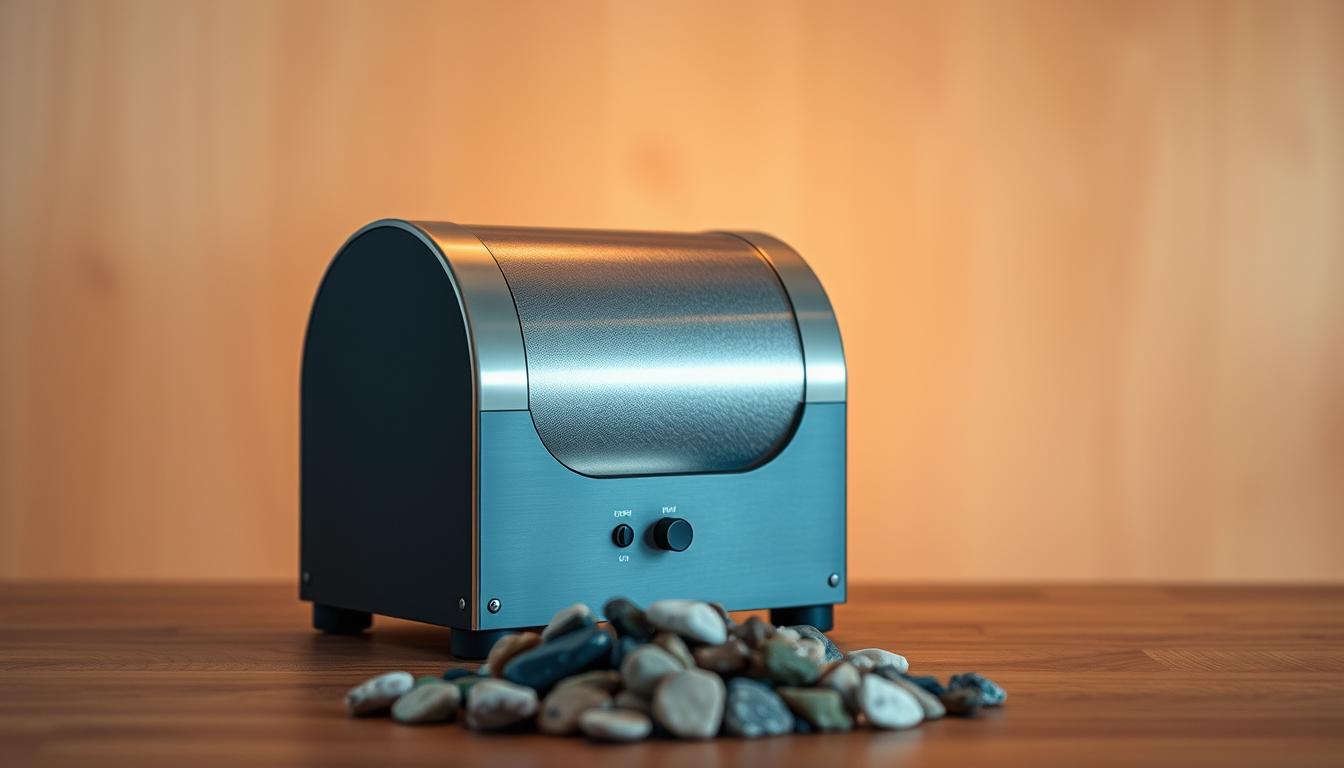
Rock tumblers use rotating barrels filled with abrasive grit to gradually smooth and polish rough stones. The process mimics natural weathering but speeds it up dramatically through controlled conditions. Most tumblers operate continuously for days or weeks per stage.
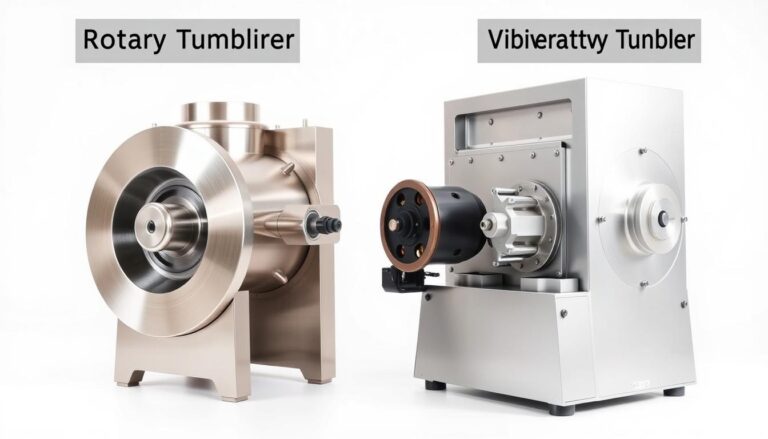
Two main types exist: rotary tumblers that roll stones in a spinning barrel, and vibratory tumblers that shake stones rapidly. Rotary models work better for beginners because they produce more predictable results and require less monitoring.
How the Tumbling Process Works
Rock tumbling happens in four distinct stages using progressively finer abrasives. Each stage typically runs 7-10 days depending on the stone hardness and desired finish quality.
- Coarse grinding. Removes major rough spots and shapes stones using 60/90 grit.
- Medium grinding. Smooths surfaces further with 120/220 grit for even texture.
- Fine grinding. Prepares stones for polish using 500/600 grit to remove scratches.
- Final polish. Creates mirror-like finish using aluminum oxide or cerium oxide polish.
Key Features for Beginner Success
Successful rock tumbling depends on having equipment that handles the basics reliably. New tumblers should prioritize these essential features over advanced options that complicate the learning process.
Motor Quality and Power
A quality motor runs consistently for weeks without overheating or stalling. Look for motors with at least 1/15 horsepower that can handle 3-pound loads without strain. Cheaper motors often fail during long tumbling cycles, ruining weeks of progress.
Variable speed controls help with different stone types, but single-speed units work fine for most beginners. The key is steady, reliable operation rather than fancy features.
Barrel Design and Capacity
Barrel size affects both results and convenience – too small limits your projects while too large requires more materials and space. A 3-pound capacity hits the sweet spot for beginners, allowing meaningful batches without overwhelming your workspace.
Rubber barrel linings reduce noise significantly compared to bare metal. Hexagonal or octagonal barrel shapes tumble stones more effectively than round barrels by creating better cascading action.
Start Small, Think Big
Begin with softer stones like agate or jasper before attempting harder materials like quartz. Success with easier stones builds confidence for more challenging projects.
Top Beginner Rock Tumbler Recommendations
These carefully selected tumblers offer the best combination of reliability, ease of use, and value for newcomers to rock tumbling.
National Geographic Professional Rock Tumbler
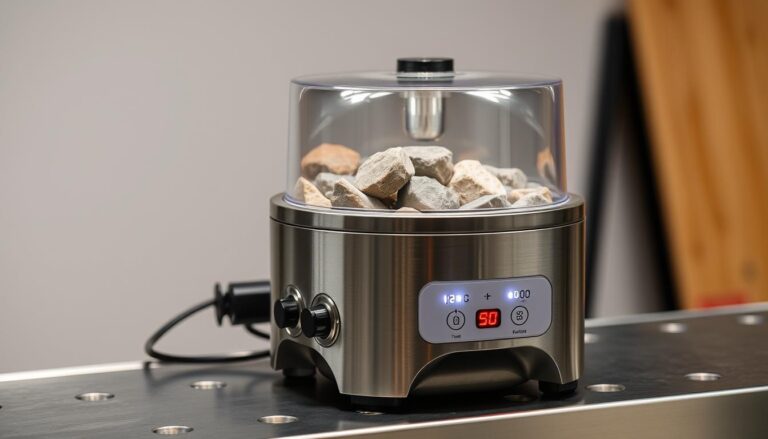
This tumbler consistently ranks as the top choice for beginners due to its complete kit approach and reliable performance. The package includes everything needed for immediate success: tumbler, grit stages, polish, and detailed instructions.
The 3-pound barrel capacity handles substantial batches while the quality motor ensures consistent operation. Users appreciate the comprehensive instruction booklet that explains each step clearly with helpful photos.
- Complete kit – includes tumbler, grits, polish, and instruction guide.
- Quiet operation – rubber barrel liner reduces noise for home use.
- Proven reliability – thousands of positive user reviews over many years.
- Educational materials – detailed guides help beginners avoid common mistakes.
Lortone 3A Single Barrel Tumbler
Lortone has manufactured quality rock tumblers for decades, and the 3A model represents their expertise in beginner-friendly design. This single-barrel tumbler focuses on essential features without unnecessary complexity.
The cast aluminum construction provides durability while keeping noise levels reasonable. The motor delivers consistent power for reliable tumbling action across different stone types.
- Time-tested design – decades of proven performance in homes and schools.
- Durable construction – cast aluminum body withstands regular use.
- Simple operation – no complicated controls or settings to confuse beginners.
- Replacement parts available – long-term support from established manufacturer.
Budget Considerations and Value
Rock tumbler prices range from $40 for basic units to $300+ for professional models. Beginners should expect to invest $80-150 for a quality tumbler that provides years of reliable service.
Cheaper tumblers often have weak motors that fail during extended use or produce poor results due to inadequate design. Investing in quality equipment from the start prevents frustration and saves money long-term.
What’s Included vs. What You’ll Need
Complete starter kits provide the best value by including all necessary materials for immediate use. These typically include the tumbler unit, grit stages, polish, and instruction materials.
Tumbler-only purchases require separate grit and polish purchases, which can add $30-50 to your initial investment. Factor these costs when comparing options to understand true total investment.
Setting Up Your First Tumbling Project
Success with your first tumbling project depends on proper preparation and realistic expectations. Choose stones carefully and follow proven procedures for best results.
Selecting Rocks for Tumbling
Not all rocks tumble well – some are too soft, too hard, or have structural weaknesses that cause breaking. Ideal beginner stones include agate, jasper, aventurine, and similar materials with hardness ratings of 6-7 on the Mohs scale.
Collect rocks of similar hardness for each batch to ensure even results. Mixing very hard and soft stones leads to uneven polishing and poor outcomes.
- Agate varieties – colorful, durable, and polish to high gloss.
- Jasper types – abundant, affordable, and forgiving for beginners.
- Aventurine – consistent hardness and attractive finished appearance.
- Petrified wood – interesting patterns and reliable tumbling results.
Loading and Operating Your Tumbler
Proper loading technique affects both results and equipment lifespan. Fill barrels 2/3 full with rocks, add appropriate grit amounts, and include enough water to barely cover the stones.
Run your tumbler in a well-ventilated area away from living spaces if possible. Most units operate continuously for 7-10 days per stage, so plan accordingly for noise and space requirements.
Common Beginner Mistakes to Avoid
Learning from others’ mistakes saves time and materials while ensuring better results. These frequent beginner errors can derail projects and discourage continued learning.
Rushing the Process
Rock tumbling requires patience – each stage needs adequate time to work properly. Skipping stages or shortening run times produces poor results that can’t be fixed in later stages.
Allow full time for each stage even when stones look ready earlier. The tumbling process works gradually, and adequate time ensures complete grit action on all stone surfaces.
Using Wrong Rock Combinations
Mixing rocks of different hardness levels in the same batch creates uneven results. Harder stones don’t polish while softer ones over-polish or break down completely.
Group stones by similar hardness and size for best results. This ensures even tumbling action and consistent finish quality across your entire batch.
Articles You May Like
Frequently Asked Questions
How long does rock tumbling take?
Complete rock tumbling takes 4-6 weeks using four progressive stages. Each stage runs 7-10 days depending on stone hardness and desired finish quality.
Can I tumble different types of rocks together?
Only tumble rocks of similar hardness together for even results. Mixing hard and soft stones leads to uneven polishing and potential damage to softer materials.
How much does it cost to start rock tumbling?
Expect to invest $80-150 for a quality beginner tumbler kit including all necessary grits and polish. Additional rock collecting may add $20-50 depending on your local sources.
Are rock tumblers noisy?
Most rock tumblers produce moderate noise levels similar to a washing machine. Rubber-lined barrels and quality construction reduce noise, but plan to locate your tumbler away from quiet areas.
What rocks work best for beginners?
Agate, jasper, aventurine, and petrified wood work excellently for beginners. These materials have consistent hardness, polish well, and resist breaking during the tumbling process.
Final Thoughts
Rock Tumbler For Beginners represents an exciting entry point into lapidary arts that combines science, patience, and creativity. The right equipment choice makes the difference between frustrating struggles and enjoyable success as you develop this rewarding skill.
Start with a proven beginner model like the National Geographic Professional Rock Tumbler, choose appropriate stones, and commit to following the complete process. Your patience will be rewarded with beautiful polished stones and the satisfaction of mastering a traditional craft.