Rock tumbling transforms rough stones into polished gems through a careful process. The time needed varies greatly depending on several key factors that determine your final results.
Understanding how long to tumble rocks helps you avoid common mistakes like under-processing or over-tumbling. Most projects take between 4 to 12 weeks to complete all stages properly.
TL;DR
- Soft rocks (limestone, onyx) need 3-5 weeks total tumbling time.
- Medium rocks (agate, jasper, quartz) require 6-8 weeks for complete processing.
- Hard rocks (garnet, topaz) take 9-12 weeks or more to achieve high polish.
- Each of the 4 tumbling stages typically runs for 1-2 weeks depending on rock hardness.
How Long To Tumble Rocks – The Complete Guide
Rock tumbling follows a systematic four-stage process that gradually transforms rough stones into polished gems. Each stage serves a specific purpose and requires different amounts of time based on your rocks’ characteristics.
The total time commitment ranges from one month for soft stones to three months for the hardest materials. Planning your timeline helps you set realistic expectations and avoid rushing the process.
Understanding the Four-Stage Process
Rock tumbling works through progressive stages that gradually refine your stones. Each stage uses different grits and requires specific timing to achieve optimal results.
Stage 1: Coarse Grind (1-4 weeks)
The coarse grind stage removes sharp edges and major imperfections using 60/90 silicon carbide grit. This longest stage shapes your rocks and determines much of the final outcome.
- Soft rocks – Complete in 1-2 weeks
- Medium rocks – Require 2-3 weeks
- Hard rocks – Need 3-4 weeks minimum
Stage 2: Medium Grind (1-3 weeks)
Medium grind uses 120/220 grit to smooth surfaces and remove scratches from the coarse stage. This stage prepares rocks for fine grinding by eliminating deeper imperfections.
Stage 3: Fine Grind (1-3 weeks)
Fine grind employs 500 grit to create the smooth surface needed for polishing. Rocks should feel completely smooth to the touch before moving to the final stage.
Stage 4: Polish (1-2 weeks)
The polishing stage uses aluminum oxide or cerium oxide to create the final shine. This stage brings out the natural beauty and luster of your stones.
Rock Hardness and Tumbling Times
The Mohs hardness scale determines how long your rocks need to tumble. Harder rocks resist abrasion and require extended processing times to achieve smooth surfaces.
Soft Rocks (Mohs 3-5)
Soft materials like limestone, marble, and fluorite process quickly but can break down too much if over-tumbled. These rocks complete all stages in 3-5 weeks total.
- Limestone – 3-4 weeks total
- Fluorite – 3-5 weeks total
- Calcite – 3-4 weeks total
Medium Hardness Rocks (Mohs 6-7)
Popular tumbling stones like agate, jasper, and quartz fall into this category. They provide excellent results with reasonable processing times of 6-8 weeks.
- Agate – 6-7 weeks total
- Jasper – 6-8 weeks total
- Quartz varieties – 7-8 weeks total
Hard Rocks (Mohs 7-9)
Hard stones like garnet, tourmaline, and sapphire require patience but produce stunning results. These materials need 9-12 weeks or more for complete processing.
Pro Tip for Hard Rocks
Add ceramic media to your tumbler when processing hard rocks. The extra abrasion helps speed up the grinding process without damaging your stones.
Factors That Affect Tumbling Duration
Several variables beyond hardness influence how long your rocks need to tumble. Understanding these factors helps you estimate realistic timeframes for your projects.
Rock Size and Shape
Larger rocks take longer to process because they have more surface area to smooth. Angular rocks with sharp edges need extra time compared to already-rounded stones.
- Measure your rocks. Stones larger than 2 inches may need 50% more time per stage.
- Consider initial shape. Very angular rocks need extra coarse grinding time.
- Plan for uniformity. Mix similar-sized rocks for even processing.
Tumbler Type and Barrel Size
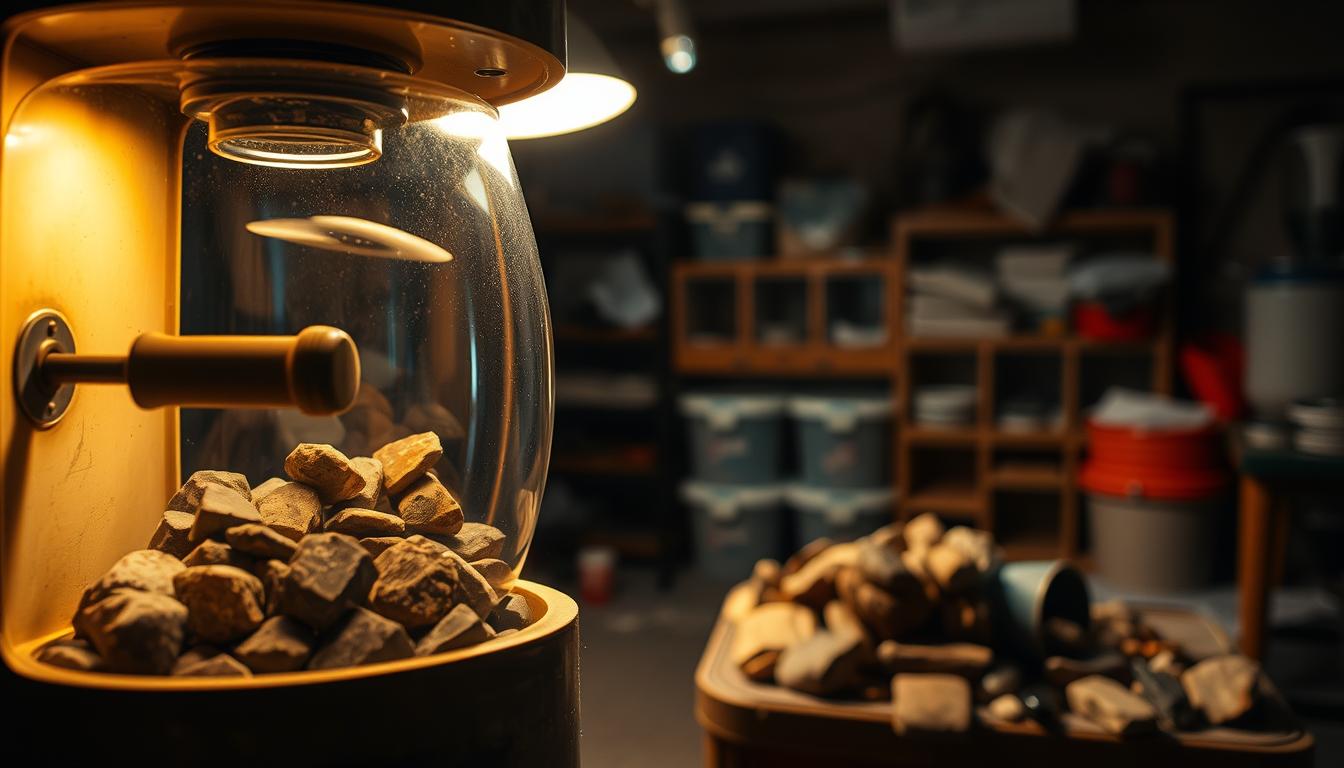
Rotary tumblers work slower but more gently than vibratory models. Larger barrels process rocks more efficiently than smaller ones due to better rock-to-rock action.
Load Size and Rock Mix
Proper barrel loading affects tumbling efficiency significantly. Fill barrels 60-70% full for optimal results, and avoid mixing rocks with drastically different hardness levels.
Troubleshooting Common Timing Issues
Recognizing when to continue or stop tumbling prevents disappointing results. Regular inspection helps you make informed decisions about processing times.
Signs Rocks Need More Time
Incomplete tumbling shows through visible scratches, rough patches, or dull surfaces. These indicators mean you should continue the current stage longer.
- Visible scratches – Continue current grit stage
- Rough patches – Extend grinding time
- Dull appearance – Polish stage needs more time
- Sharp edges remaining – Return to coarse grit
Signs of Over-Tumbling
Over-processed rocks lose their natural character and may develop flat spots or become too small. Watch for these warning signs to prevent damage.
- Unnatural smoothness – Rocks lose surface texture completely
- Size reduction – Stones become noticeably smaller
- Flat spots – Rocks develop artificial-looking surfaces
- Loss of detail – Natural patterns become less defined
Advanced Timing Strategies
Experienced tumblers use specific techniques to optimize processing times and achieve better results. These methods help you work more efficiently with different rock types.
Batch Mixing Guidelines
Successful mixed batches require careful rock selection based on compatible hardness levels. Group rocks within 1-2 points on the Mohs scale for best results.
Accelerated Processing Methods
Some techniques can reduce processing time without compromising quality. Adding small amounts of dish soap helps rocks move more freely, improving grinding efficiency.
Articles You May Like
Frequently Asked Questions
How do I know when each stage is complete?
Check your rocks every few days by washing and inspecting them. Move to the next stage when surfaces feel smooth and show no scratches from the previous grit.
Can I speed up rock tumbling safely?
Rushing the process typically ruins your rocks through chipping or poor polish. Follow recommended timeframes and inspect regularly rather than trying shortcuts.
What happens if I tumble different hardness rocks together?
Mixing very different hardness levels causes uneven results where soft rocks over-process while hard rocks remain rough. Keep hardness differences within 1-2 Mohs points.
How often should I clean my tumbler during processing?
Clean your tumbler barrel and rocks between each stage to prevent contamination. This prevents grit carry-over that can scratch rocks in finer stages.
Why are my rocks still rough after the recommended time?
Rocks may need more time due to unusual hardness, large size, or poor tumbler action. Extend the current stage rather than moving ahead prematurely.
Final Thoughts
How Long To Tumble Rocks depends on multiple factors, but following systematic timing guidelines produces consistently good results. Most beginners underestimate the time commitment but find the wait worthwhile when they see polished stones.
Start with medium-hardness rocks like agate or jasper for your first projects. These materials offer forgiving processing times and beautiful results that build confidence for harder stones. Before you begin, make sure to properly evaluate rocks before tumbling and learn the essential steps to prep rocks for tumbling to ensure successful results.