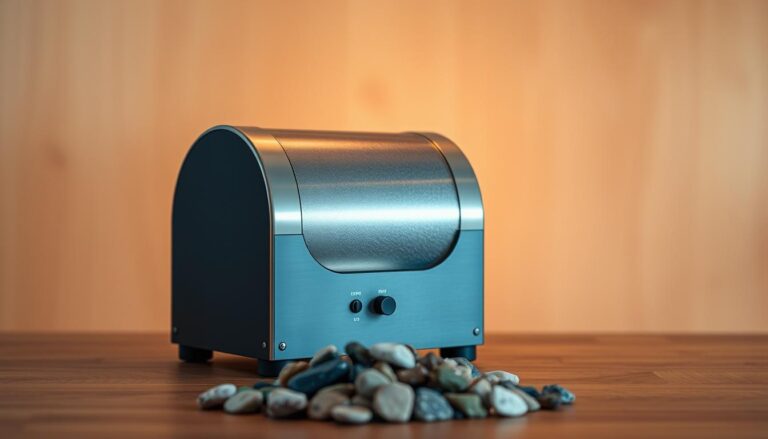
Tumbling grit longevity affects both your rock polishing results and your budget. The lifespan of your grit depends on several key factors that every rock tumbler should understand.
Most tumbling grit lasts between one to four weeks depending on the type you use and what rocks you’re polishing. Silicon carbide grit typically outlasts aluminum oxide, while harder rocks will wear down your grit faster than softer stones.
TL;DR
- Silicon carbide grit lasts 2-4 weeks on average, while aluminum oxide needs replacement every 1-2 weeks.
- Hard rocks like granite consume grit 50% faster than soft rocks like limestone or marble.
- Coarse grit (60/90 mesh) wears out quickest since it removes the most material during initial shaping.
- Proper water-to-grit ratios can extend grit life by up to 30% compared to incorrect mixtures.
How Long Does Tumbling Grit Last
The answer varies significantly based on your specific tumbling setup. Most rock tumblers find their grit lasts anywhere from one to four weeks per stage.
Silicon carbide grit generally provides the longest service life among common options. This harder material resists breakdown better than alternatives, making it cost-effective despite higher upfront costs.
Silicon Carbide vs Aluminum Oxide Lifespan
Silicon carbide grit typically lasts 2-4 weeks in continuous use. Its superior hardness rating of 9.5 on the Mohs scale helps it maintain cutting power longer.
Aluminum oxide grit usually needs replacement every 1-2 weeks. While less expensive initially, the shorter lifespan means more frequent purchases and tumbler maintenance.
Factors That Determine Grit Longevity
Several variables directly impact how long your tumbling grit remains effective. Understanding these helps you plan replacement schedules and optimize your tumbling process.
Rock Hardness Impact
Hard rocks like quartz, granite, and jasper wear down grit much faster than soft materials. Expect to replace grit 50-75% more often when tumbling these tougher stones.
Soft rocks such as limestone, marble, and calcite are gentler on grit. These materials allow you to extend grit life significantly while still achieving excellent results.
Tumbler Size and Load Effects
Larger tumblers with heavier loads create more friction and impact. This increased mechanical action wears down grit particles faster than smaller, lighter loads.
Overloading your tumbler beyond recommended capacity accelerates grit breakdown. Follow manufacturer guidelines for optimal load sizes to maximize grit efficiency, and consider our rock tumbler maintenance guide to keep your machine running smoothly.
Water and Grit Ratios
The correct water-to-grit mixture is essential for grit longevity. Too little water creates excessive friction that breaks down grit prematurely.
Excessive water dilutes the grit’s cutting action and can cause settling issues. Aim for a thick but flowable consistency that coats all rocks evenly.
Tumbling Stage Grit Consumption
Each tumbling stage consumes grit at different rates. The coarse stage typically uses the most grit since it removes the most material from rough rocks.
Fine polishing stages use less grit overall but require fresh material for optimal shine. Never carry over worn grit from previous stages as this reduces final polish quality.
Coarse Grit Usage Patterns
Coarse grit (60/90 mesh) experiences the heaviest wear since it performs the most aggressive cutting. Plan to replace this grit every 1-2 weeks for best results.
This stage removes scratches, chips, and rough surfaces. The intense grinding action means grit particles break down and lose effectiveness quickly.
Medium and Fine Grit Efficiency
Medium grit (150/220 mesh) lasts longer than coarse since it performs less aggressive cutting. Replacement every 2-3 weeks is typically sufficient.
Fine grit (500/600 mesh) has the longest lifespan but still needs monitoring. Watch for reduced polishing action as your signal to replace these finer abrasives.
Save Money on Grit Replacement
Keep a tumbling log to track grit usage across different rock types and stages. This data helps you predict replacement schedules and budget accurately for future projects.
Signs Your Grit Needs Replacement
Recognizing worn-out grit early prevents poor results and potential damage to your rocks or tumbler. Several clear indicators signal when replacement time has arrived.
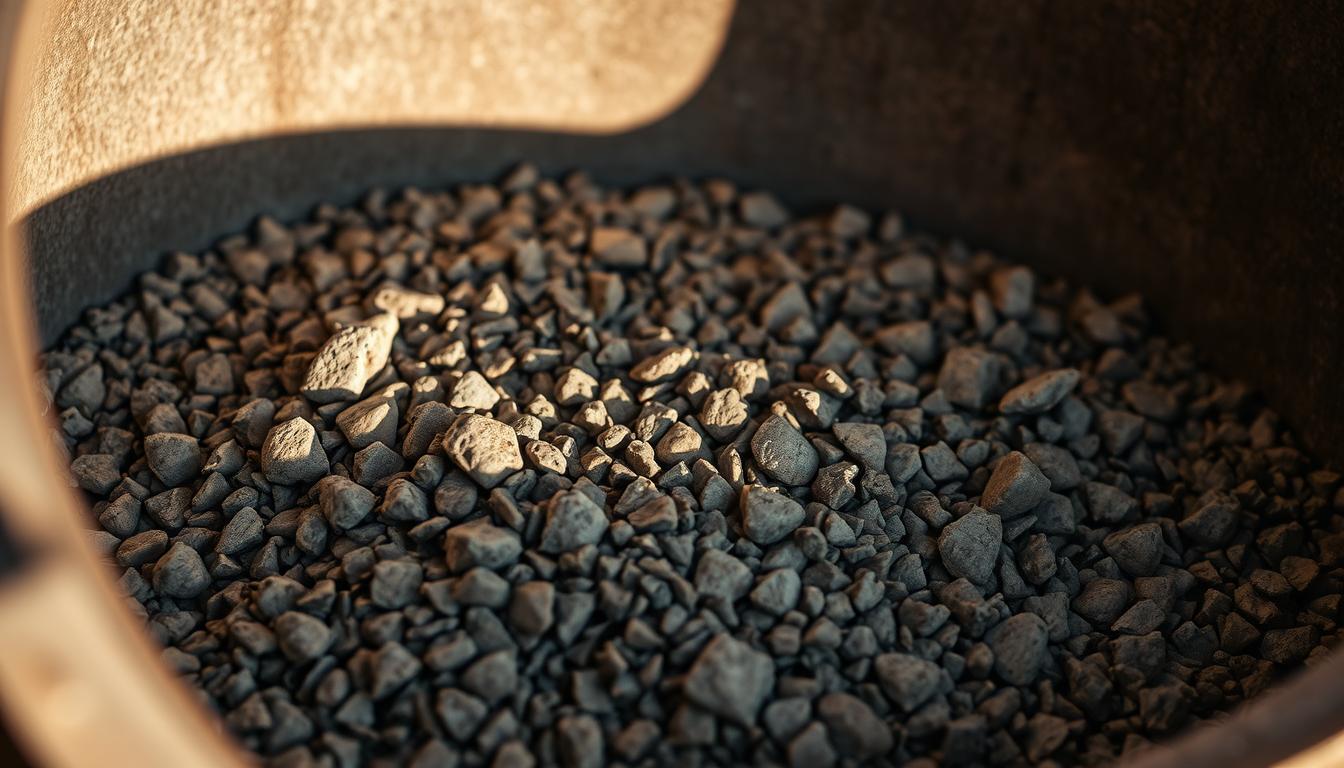
Visual inspection provides the most obvious clues about grit condition. Fresh grit appears angular and sharp under magnification, while worn grit becomes rounded and dull.
Performance Changes
Reduced cutting or polishing action indicates grit fatigue. If your rocks aren’t progressing as expected after normal tumbling times, fresh grit likely will solve the problem.
Increased noise from your tumbler often signals grit breakdown. Worn particles create different sounds as they lose their cutting edges and become less effective. If noise becomes excessive, consider quiet rock tumblers for peaceful stone polishing.
Texture and Consistency Issues
Grit that feels smooth or powdery between your fingers has lost its cutting ability. Fresh grit should feel sharp and gritty when rubbed together.
Clumping or caking indicates contamination or breakdown that reduces effectiveness. Replace any grit showing these signs immediately for best results.
Maximizing Your Grit Investment
Proper storage and handling significantly extends grit lifespan and maintains effectiveness. Simple practices can add weeks to your grit’s useful life.
Store unused grit in airtight containers to prevent moisture absorption and contamination. Label containers clearly with mesh size and purchase date for easy identification. Our rock tumbling grit storage guide provides detailed tips to keep your materials fresh.
Optimal Usage Methods
Use only the amount of grit needed for each batch rather than adding extra. Excess grit doesn’t improve results but increases costs and waste.
Clean your tumbler thoroughly between stages to prevent cross-contamination. Old grit particles can interfere with new grit performance and reduce effectiveness.
Common Waste Prevention
Never mix different grit sizes as this reduces the effectiveness of both types. Keep each mesh size separate throughout the entire tumbling process.
Avoid adding new grit to partially worn material as the different cutting rates create inconsistent results. Always start each stage with completely fresh grit.
Articles You May Like
Frequently Asked Questions
How often should I replace coarse tumbling grit?
Replace coarse grit (60/90 mesh) every 1-2 weeks or when rocks stop showing visible progress. This stage experiences the heaviest wear due to aggressive material removal.
Can I reuse tumbling grit from previous batches?
Never reuse tumbling grit as worn particles lose cutting effectiveness and can scratch your rocks. Always start each stage with fresh grit for optimal results.
Does rock type affect how long grit lasts?
Yes, harder rocks like granite and quartz wear down grit 50-75% faster than softer materials like limestone or marble. Plan shorter replacement intervals for harder stone projects.
What’s the ideal water-to-grit ratio for longevity?
Aim for a thick but flowable consistency that coats all rocks evenly. Too little water creates excess friction while too much water dilutes cutting action.
How do I know when fine polish grit is worn out?
Fine grit needs replacement when rocks stop developing a high shine or the polish appears dull. Visual inspection should show rounded rather than sharp grit particles.
Final Thoughts
How Long Does Tumbling Grit Last depends on your specific rocks, tumbler setup, and maintenance practices. Most hobbyists find their grit lasts 1-4 weeks per stage with proper care.
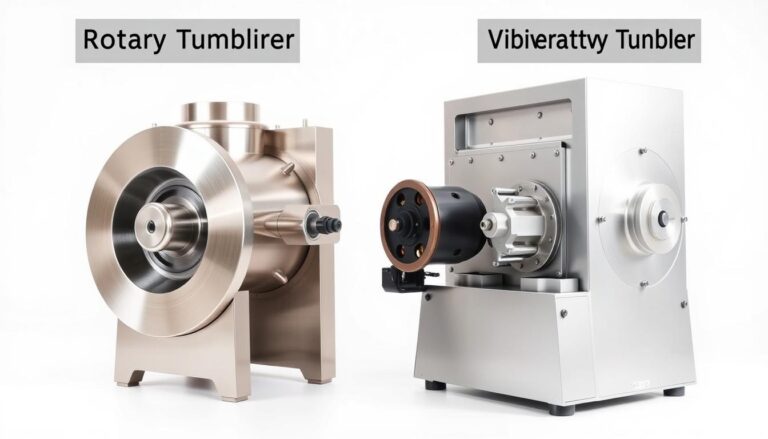
Track your grit usage patterns to develop accurate replacement schedules and budget effectively for future tumbling projects. If you’re looking to upgrade your equipment, check out the best affordable rock tumblers under $150 or consider switching from rotary to vibratory tumbler for different grit consumption patterns.