Choosing the Right Rock Hammer can make the difference between a successful geological expedition and a frustrating day in the field. Whether you’re a professional geologist collecting samples or a weekend rockhound exploring local formations, having the proper tool ensures efficiency and safety.
A quality rock hammer serves multiple purposes beyond simple rock breaking. It becomes an extension of your hand when extracting mineral specimens, splitting sedimentary layers, or carefully chiseling around delicate fossils.
TL;DR
- Rock hammers typically weigh between 12-32 ounces, with 16-20 ounces being ideal for most users.
- Professional-grade models from Estwing and Vaughan range from $150-$300, while budget options start at $15.
- Geological hammers feature a flat striking face and chisel end, making them versatile for 90% of fieldwork.
- Safety equipment including goggles, gloves, and dust masks prevents 95% of rock hammer-related injuries.
Choosing the Right Rock Hammer
The foundation of selecting the perfect rock hammer lies in understanding your specific needs and working conditions. Different geological tasks require different hammer characteristics, from weight distribution to head design.
Your choice should align with the type of rocks you encounter most frequently. Sedimentary formations require different techniques than igneous outcrops, and your hammer should match these demands.
Understanding Rock Hammer Types
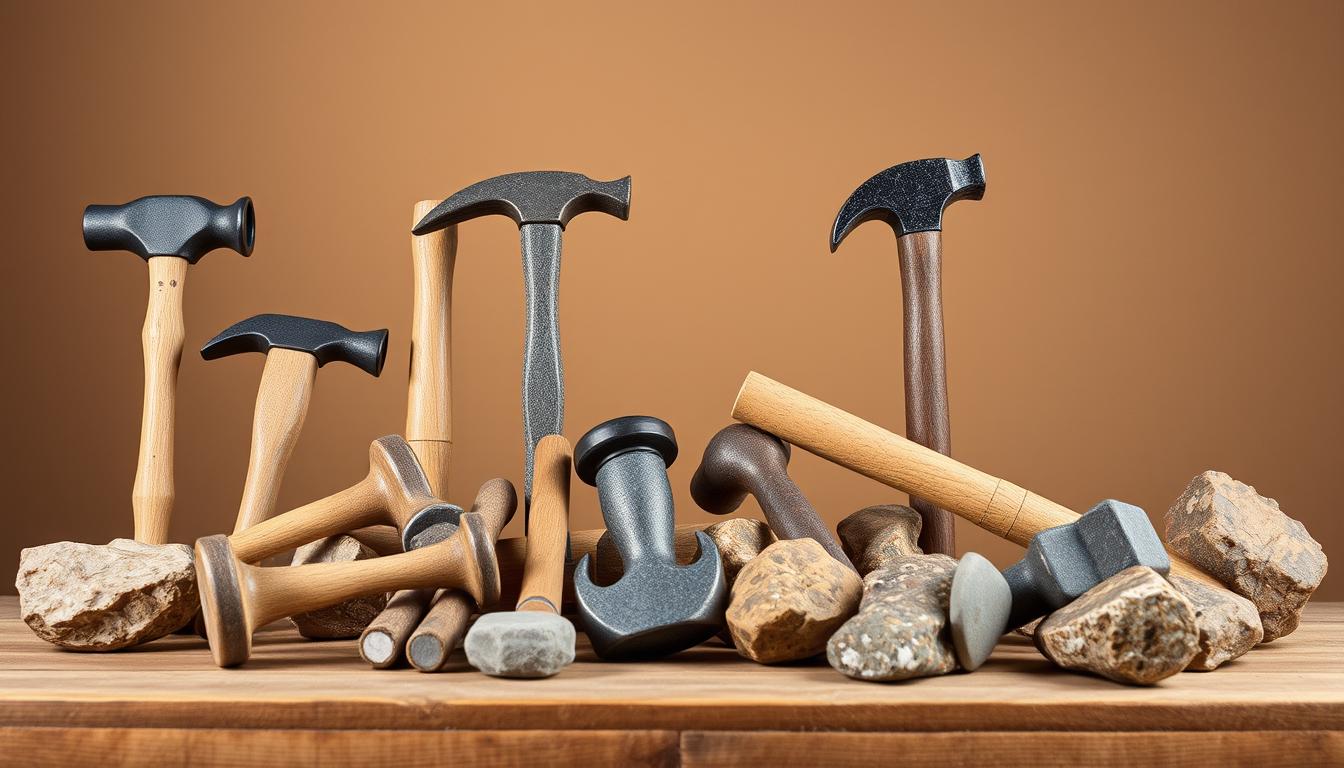
Rock hammers fall into three main categories, each designed for specific geological tasks. Understanding these differences helps narrow your selection based on intended use.
Geological Hammers
Geological hammers represent the most versatile option for general fieldwork. They feature a flat striking surface on one side and a chisel or pick end on the other, allowing both breaking and prying actions.
These hammers work effectively for sampling sedimentary rocks, splitting shale layers, and general rock breaking tasks. The balanced design makes them comfortable for extended use during long field days.
Prospecting Picks
Prospecting picks excel at digging and excavation work rather than precision sampling. They feature a pointed end for breaking ground and a flat end for crushing ore samples.
These tools shine when searching for mineral veins or placer deposits. The robust construction handles heavy-duty work that would damage lighter geological hammers.
Crack Hammers
Crack hammers specialize in splitting rocks along natural fracture lines. They pair effectively with cold chisels for precise sample extraction from larger formations.
The concentrated weight delivery makes them ideal for fossil preparation work. Their design focuses force into a small area, creating clean breaks without excessive vibration.
Essential Features for Rock Hammer Selection
Several key features determine a rock hammer’s effectiveness and user comfort. Evaluating these characteristics ensures you select a tool that matches your physical capabilities and work requirements.
Weight and Balance Considerations
Proper weight distribution affects both striking power and user fatigue during extended use. Most users find 16-20 ounce hammers provide the best balance between power and control.
The weight should feel natural in your dominant hand without causing strain. Test different weights if possible, as personal preference varies significantly between users.
Handle Materials and Design
Handle construction directly impacts comfort and vibration absorption during use. Modern handles use materials like fiberglass, hickory wood, or steel with shock-absorbing grips.
Fiberglass handles offer excellent vibration damping and weather resistance. Wood handles provide traditional feel but require more maintenance in wet conditions.
- Fiberglass handles – excellent shock absorption and durability in all weather conditions.
- Hickory wood handles – traditional feel with good vibration damping but needs regular maintenance.
- Steel handles – maximum durability but transmits more vibration to the user.
- Composite materials – combine benefits of multiple materials for balanced performance.
Head Shape and Material Quality
The hammer head design determines effectiveness for different rock types and tasks. High-carbon steel heads maintain sharp edges longer than softer alternatives.
Forged heads offer superior durability compared to cast alternatives. The striking face should remain flat and true even after extensive use on hard materials.
Pro Tip for Head Selection
Choose heads with slightly crowned striking faces rather than completely flat ones. The crown concentrates force more effectively while reducing the chance of chipping the hammer face on hard rocks.
Matching Hammers to Specific Activities
Different geological activities demand specific hammer characteristics for optimal results. Understanding these requirements prevents tool selection mistakes that reduce efficiency.
Amateur Rockhounding Requirements
Recreational rockhounds benefit from lightweight, well-balanced hammers that won’t cause fatigue during casual collecting trips. A 16-ounce geological hammer handles most amateur needs effectively, and pairing it with other essential budget rockhounding tools creates a complete field kit without breaking the bank.
Look for models with comfortable grips and good vibration damping. Budget-friendly options from manufacturers like Crown or Stow provide adequate performance for occasional use.
Professional Geological Fieldwork
Professional geologists require durable tools capable of daily use in challenging conditions. Investment in quality brands like Estwing or Vaughan pays dividends in reliability and performance.
Consider carrying multiple hammers for different tasks during extended field seasons. A primary geological hammer plus a specialized tool covers most professional requirements.
Fossil Hunting Techniques
Fossil extraction demands precision and control over brute force. Lighter hammers with sharp chisel ends work better than heavy models for delicate specimen recovery.
Pair your hammer with appropriate chisels and brushes for complete fossil preparation. The hammer should provide controlled strikes rather than maximum breaking power.
Mineral Specimen Collection
Mineral collecting requires tools that can extract specimens without damage. Hammers with narrow chisel ends work well for prying crystals from matrix rock.
Consider the hardness of target minerals when selecting hammer weight. Softer minerals like calcite require gentler tools than resistant quartz varieties.
Brand Comparisons and Quality Levels
Understanding different manufacturers’ strengths helps identify the best value for your specific needs and budget. Quality varies significantly between brands and price points.
Professional-Grade Manufacturers
Estwing dominates the professional market with forged steel construction and lifetime warranties. Their hammers maintain edge sharpness and balance through years of heavy use.
Vaughan offers comparable quality with slightly different handle designs and weight distributions. Both brands justify their premium pricing through superior durability.
Budget-Friendly Alternatives
Crown and Stow provide functional hammers at lower price points for casual users. While lacking premium features, they perform adequately for occasional rockhounding activities.
These brands work well for beginners learning proper technique before investing in expensive professional tools. They also serve as backup hammers for extended field trips.
Investment Considerations and Pricing
Rock hammer pricing reflects construction quality, materials, and manufacturing standards. Understanding value propositions helps justify expenditures based on intended use frequency.
Entry-Level Options ($15-$50)
Basic hammers in this range suit occasional users and beginners learning proper techniques. They typically feature cast heads and basic handle materials.
Expect limited durability and edge retention compared to premium alternatives. These tools work adequately for light-duty recreational collecting.
Mid-Range Selection ($50-$150)
Mid-tier hammers offer better materials and construction without premium pricing. They provide good value for regular hobbyists and part-time professionals.
Features include better steel alloys, improved handle materials, and more refined balance. This category represents the sweet spot for most users.
Professional Investment ($150-$300+)
Premium hammers justify their cost through superior materials, manufacturing precision, and warranty coverage. Professional geologists find the investment worthwhile for daily use tools.
These hammers maintain performance standards through years of heavy use. The initial cost spreads across many years of reliable service.
Safety Protocols and Equipment
Proper safety equipment prevents injuries that can end collecting trips and cause long-term health problems. Eye protection ranks as the most critical safety consideration.
Flying rock chips pose the greatest hazard during hammer use. OSHA recommends safety glasses with side shields provide essential protection against projectiles.
- Safety glasses – wrap-around styles with impact-resistant lenses protect against flying debris.
- Work gloves – improve grip and protect hands from sharp rock edges and blisters.
- Dust masks – prevent inhalation of silica dust and other harmful particles.
- Hard hats – necessary when working below cliff faces or in areas with falling rock hazards.
Maintenance and Longevity
Regular maintenance extends hammer life and maintains peak performance throughout years of use. Simple care routines prevent premature wear and safety hazards, and following proper rock tumbler maintenance principles can also apply to caring for your geological tools.
Clean hammers after each use to remove dirt and mineral deposits that can cause corrosion. Store them in dry locations away from moisture and temperature extremes.
Routine Care Procedures
Inspect handles regularly for cracks or loosening that could lead to head separation during use. Tighten or replace handles at the first sign of wear.
Keep striking faces clean and sharp through light filing when necessary. Dull hammers require more force and create safety hazards through unpredictable rebounds.
Replacement Indicators
Replace hammers when heads become loose despite tightening attempts. Cracked or mushroomed striking faces also indicate replacement time.
Handle damage that affects grip security requires immediate attention. Never use hammers with compromised handles that might fail during use.
Articles You May Like
Frequently Asked Questions
What weight rock hammer should beginners choose?
Beginners should start with 16-20 ounce hammers that provide good striking power without causing excessive fatigue. This weight range offers the best balance of control and effectiveness for learning proper technique.
Can I use a regular hammer instead of a geological hammer?
Regular hammers lack the chisel end and proper balance needed for geological work. They also use softer steel that won’t maintain sharp edges when striking hard rocks.
How often should I sharpen my rock hammer?
Sharpen the chisel end when it becomes noticeably dull or rounded, typically after 20-30 hours of active use. Light filing maintains the proper angle and effectiveness.
What’s the difference between forged and cast hammer heads?
Forged heads offer superior strength and durability through grain structure alignment during manufacturing. Cast heads are cheaper but more prone to cracking under heavy use.
Should I carry multiple hammers on collecting trips?
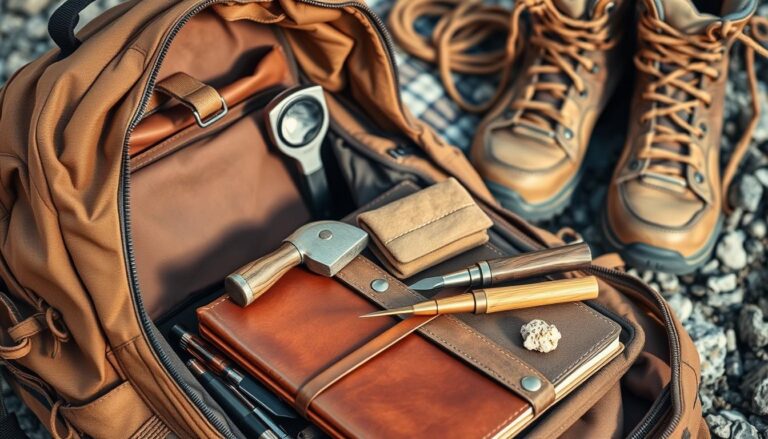
Experienced collectors often carry a primary geological hammer plus a specialized tool like a crack hammer or prospecting pick. This provides versatility for different rock types and situations, and organizing everything in a well-equipped rockhounding field backpack ensures you have all necessary tools readily accessible.
Final Thoughts
Choosing the Right Rock Hammer depends on matching tool characteristics to your specific geological interests and skill level. Whether you’re starting with budget options or investing in professional-grade equipment, the right hammer enhances both safety and success in the field.
Start with a mid-range geological hammer if you’re unsure about long-term commitment. You can always upgrade to specialized tools as your interests and skills develop.