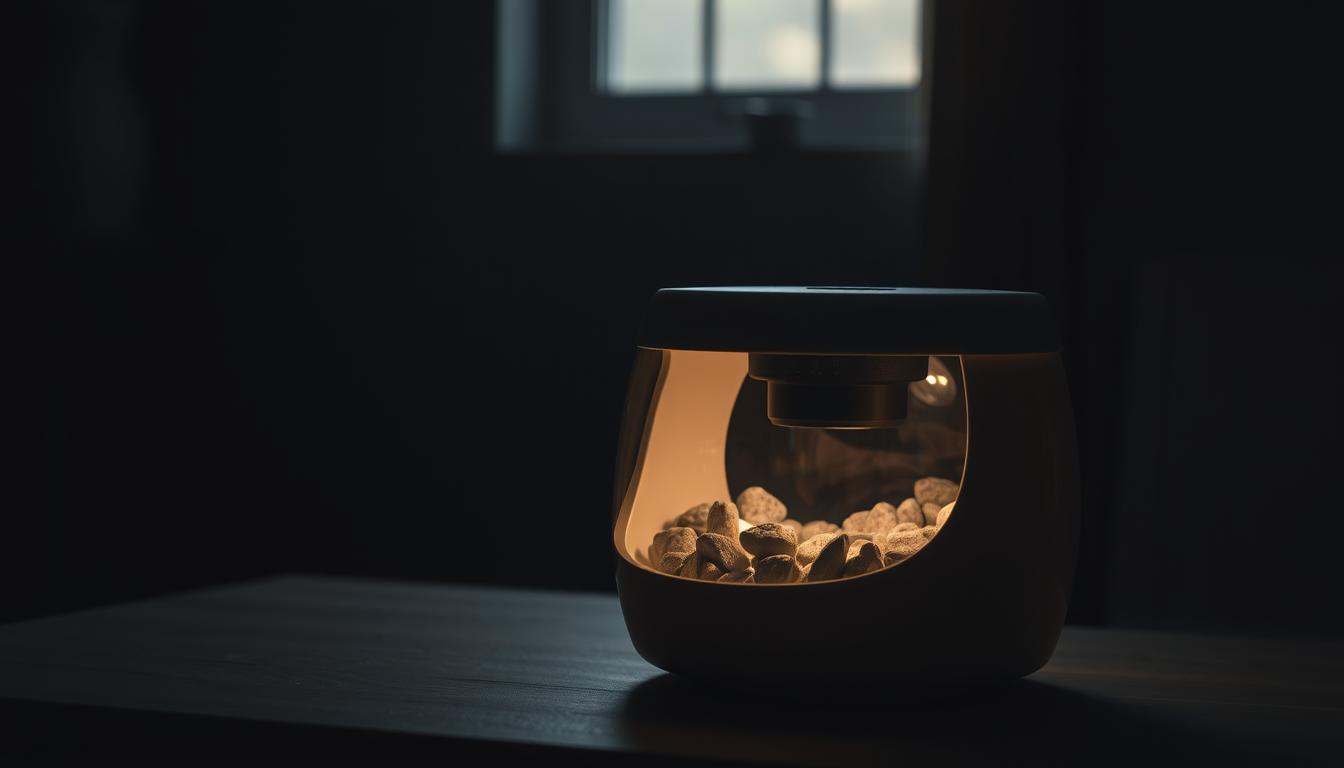
Quiet Rock Tumblers offer a peaceful way to polish stones without disturbing your household or neighbors. Traditional rock tumblers can produce significant noise that limits when and where you can run them.
The key difference lies in barrel materials and motor quality. Rubber barrels and well-balanced motors create much less noise than plastic alternatives with cheap components.
TL;DR
- Rubber barrel tumblers produce 40-60% less noise than plastic barrel models.
- Place your tumbler on a concrete floor or solid table to reduce vibration by up to 50%.
- The Lortone 3A runs at approximately 45-50 decibels during operation.
- Proper load balancing can reduce noise levels by 25-30% in any tumbler.
Quiet Rock Tumblers Transform Your Hobby Experience
Standard rock tumblers often create noise levels that make them unsuitable for apartment living or nighttime operation. Quiet models use specialized materials and engineering to minimize sound production.
The main factors affecting noise include barrel material, motor quality, and overall construction. Manufacturers achieve quieter operation through rubber barrels, balanced motors, and vibration-dampening designs.
Key Features That Make Rock Tumblers Quiet
Several design elements work together to create a quieter tumbling experience. Understanding these features helps you choose the right model for your space.
Barrel Materials and Construction
Rubber barrels absorb vibration and sound much better than hard plastic alternatives. The flexibility of rubber reduces the impact noise when rocks tumble against the barrel walls.
Quality construction also matters – well-fitted components eliminate rattling and loose parts that contribute to noise. Heavy-duty materials provide stability during operation.
Motor Design and Balance
Quiet tumblers feature balanced motors that run smoothly without excessive vibration. Brushless motors typically produce less noise than brushed alternatives.
Variable speed controls allow you to find the optimal tumbling speed that balances effectiveness with noise reduction. Slower speeds generally create less noise while still polishing stones effectively.
Top Quiet Rock Tumbler Models
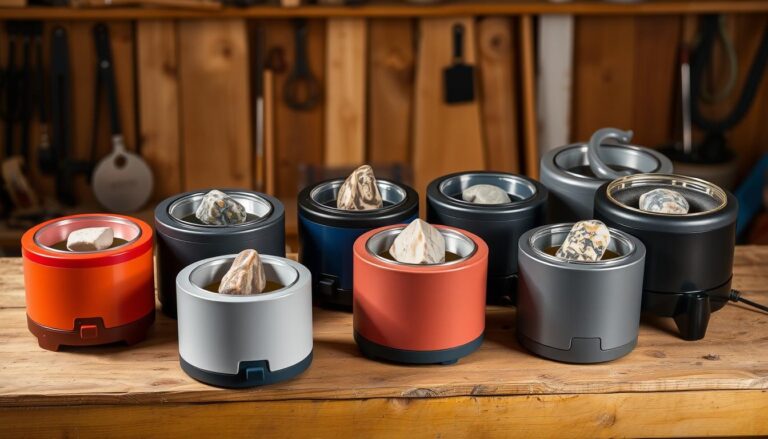
Several manufacturers specialize in producing quieter rock tumblers. These models represent the best options for noise-conscious hobbyists looking for affordable rock tumblers under $150 that maintain quiet operation.
Lortone 3A Single Barrel Tumbler
The Lortone 3A features a rubber barrel and quality motor that keeps noise to a minimum. This single-barrel model handles up to 3 pounds of material and runs quietly enough for home use.
- Capacity – 3 pounds of rock material
- Barrel material – Soft rubber construction
- Speed – Variable speed control
- Noise level – Operates at conversation volume
National Geographic Hobby Rock Tumbler
This beginner-friendly National Geographic kit includes everything needed to start rock tumbling and makes an excellent choice for those considering the best rock tumblers for kids. The compact design and rubber components keep noise levels low for apartment dwellers.
- Complete kit – Includes rocks, grit, and polishing compound
- Quiet operation – Designed for home use
- Easy setup – Perfect for beginners
- Compact size – Fits on countertops or shelves
Thumler’s Model B Professional Tumbler
Professional-grade construction makes this Thumler’s tumbler both quiet and durable. The heavy-duty design handles larger batches while maintaining low noise levels.
- Professional quality – Built for regular use
- Large capacity – Handles bigger rock batches
- Quiet motor – Balanced for smooth operation
- Durability – Designed for years of use
Quick Noise Reduction Tip
Place a rubber mat under your tumbler to absorb vibrations before they transfer to tables or floors. This simple addition can reduce perceived noise by 30-40%.
Placement and Setup for Minimal Noise
Where and how you set up your rock tumbler significantly affects noise levels. The right placement can make even standard tumblers much quieter.
Optimal Surface Selection
Solid surfaces like concrete floors or heavy tables work best for rock tumblers. These surfaces absorb vibrations instead of amplifying them like hollow or wooden surfaces.
Avoid placing tumblers on kitchen counters, wooden desks, or other surfaces that can act as sound amplifiers. A dedicated tumbling station in a basement or garage works well.
Vibration Control Methods
Anti-vibration pads or rubber mats under your tumbler reduce noise transmission. These inexpensive additions provide immediate noise reduction benefits.
- Add rubber padding. Place thick rubber mats under the entire tumbler base.
- Check level surfaces. Ensure your tumbler sits level to prevent unnecessary vibration.
- Secure loose parts. Tighten all screws and connections before operation.
- Balance your load. Distribute rocks evenly in the barrel for smooth tumbling.
Maintenance for Long-Term Quiet Operation
Regular maintenance keeps your quiet tumbler running smoothly and prevents noise-causing problems. Our comprehensive rock tumbler maintenance guide covers essential upkeep that extends both tumbler life and quiet performance.
Regular Cleaning and Inspection
Clean your tumbler barrel and motor housing regularly to prevent grit buildup. Accumulated debris can cause imbalances that increase noise and wear.
Inspect belts, motor mounts, and barrel connections monthly. Replace worn parts before they create noise or damage other components.
Load Balancing Techniques
Proper rock distribution in the barrel prevents excessive vibration and noise. Fill barrels 60-70% full and mix different rock sizes for optimal tumbling action.
Avoid overloading barrels, which strains motors and creates more noise. Underloading can also cause uneven tumbling and increased vibration.
Troubleshooting Common Noise Issues
Even quiet tumblers can develop noise problems over time. Identifying and fixing these issues quickly prevents damage and maintains peaceful operation.
Motor-Related Noise Problems
Unusual motor sounds often indicate worn bearings or belt problems. These issues typically develop gradually and get worse without attention.
- Grinding sounds – Usually worn motor bearings needing replacement
- Squealing noises – Belt slippage or belt wear requiring adjustment
- Irregular rhythm – Motor mount looseness or belt stretching
- High-pitched whining – Motor overload from excessive barrel weight
Barrel and Loading Issues
Barrel-related noise often comes from improper loading or worn barrel components. These problems create characteristic sounds that help identify the cause.
Check barrel alignment and mounting regularly – misaligned barrels create vibration and wear unevenly. Replace worn barrel seals and gaskets to maintain proper fit.
Articles You May Like
Frequently Asked Questions
How quiet can rock tumblers actually get?
The quietest rock tumblers operate at 45-55 decibels, similar to normal conversation volume. This allows operation in living spaces without disturbing others.
Do quiet rock tumblers polish rocks as effectively as louder models?
Yes, quiet operation doesn’t compromise polishing quality. The tumbling action remains the same – only the noise production is reduced through better materials and design.
Can I convert my existing noisy tumbler to be quieter?
You can reduce noise through better placement, vibration pads, and proper maintenance. However, barrel material and motor design limit how quiet existing tumblers can become.
Are rubber barrel tumblers more expensive than plastic ones?
Rubber barrel tumblers typically cost 20-40% more than plastic alternatives. The investment pays off through quieter operation and longer barrel life.
What’s the best time to run a quiet rock tumbler?
Quiet tumblers can run anytime without disturbing others. Many hobbyists prefer overnight operation to complete tumbling cycles while sleeping.
Final Thoughts
Quiet Rock Tumblers make this rewarding hobby accessible to more people by eliminating noise concerns. The right tumbler lets you polish beautiful stones without disrupting your household or neighbors.
Focus on rubber barrel models with quality motors for the best noise reduction. Whether you’re considering switching from rotary to vibratory tumblers or sticking with traditional models, proper placement and maintenance keep any tumbler running as quietly as possible for years of peaceful rock polishing.