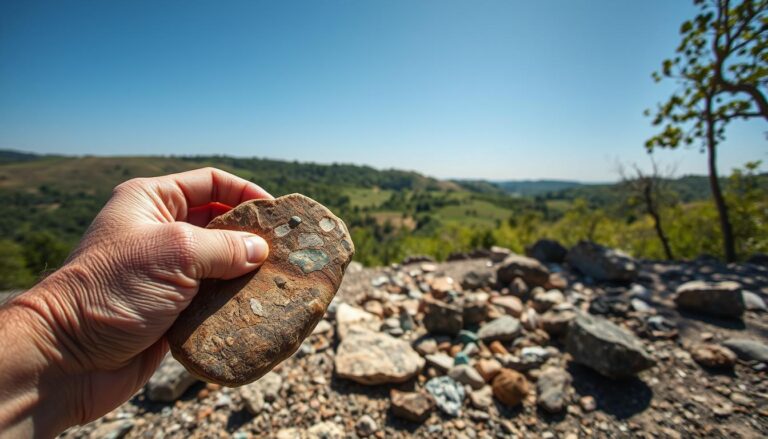
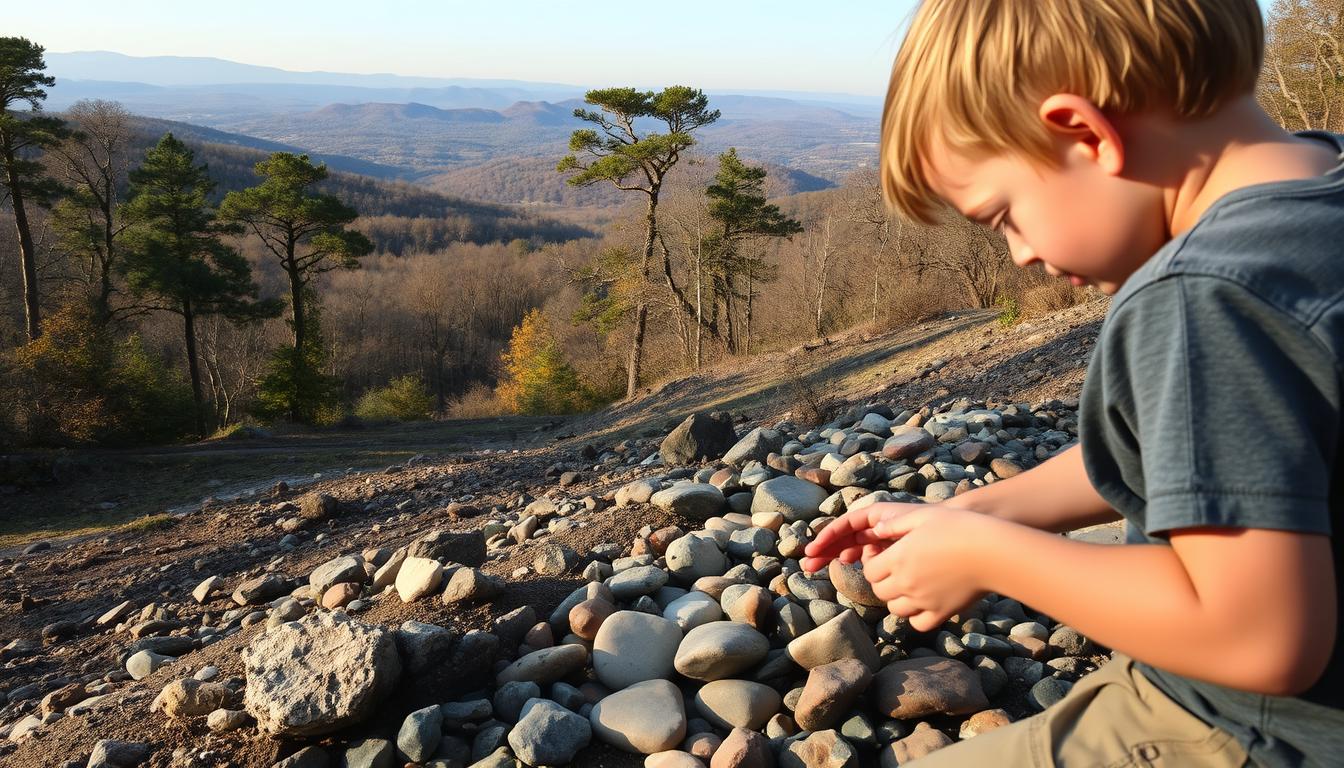
Rock Collecting Laws in Connecticut provide a framework for enthusiasts to pursue their hobby while protecting the state’s geological heritage. The Constitution State offers diverse mineral specimens including garnets, quartz, and traprock formations that attract collectors from across New England.
Understanding these regulations helps rockhounds avoid legal issues and ensures sustainable collecting practices. Connecticut’s laws balance recreational collecting opportunities with environmental protection and property rights, similar to regulations found in neighboring Massachusetts and other northeastern states.
TL;DR
- Written landowner permission is required for all rock collecting on private property in Connecticut.
- Daily collection limits of 25 pounds per person apply in most state parks and forests.
- Collecting fossils and archaeological artifacts requires special scientific permits costing $50-$100.
- Fines for illegal collecting range from $75 to $1,000 plus potential criminal charges for serious violations.
Rock Collecting Laws in Connecticut Overview
Connecticut regulates rock collecting through state statutes and federal laws that apply to different types of land ownership. The Connecticut Department of Energy and Environmental Protection (DEEP) serves as the primary enforcement agency for these regulations.
State laws distinguish between recreational and commercial collecting activities. Recreational collectors face fewer restrictions but must still follow specific guidelines for quantity limits and collection methods.
State Authority and Jurisdiction
DEEP oversees most rock collecting activities on state-owned lands including parks, forests, and wildlife management areas. Local municipalities may impose additional restrictions on town-owned properties.
The Connecticut Geological Survey provides scientific oversight for collecting activities that might impact geological research or educational resources. This agency maintains detailed maps showing mineral locations and sensitive areas.
Private Property Requirements
Collecting rocks on private land requires explicit written permission from the property owner. Verbal agreements provide insufficient legal protection and may result in trespassing charges.
Landowners often specify collection areas, time limits, and restoration requirements in their permission letters. Some property owners charge access fees or require liability insurance from collectors.
Obtaining Written Permission
Contact property owners well in advance of planned collecting trips. Explain your collecting goals, experience level, and proposed collection methods in your initial request.
- Include contact information – provide phone number and email address for follow-up questions.
- Specify collection dates – request permission for exact dates rather than open-ended access.
- Describe restoration plans – explain how you will restore any disturbed areas after collecting.
- Offer references – provide contacts from previous landowners or local geology clubs.
Liability Considerations
Connecticut follows comparative negligence laws for injuries occurring on private property during permitted activities. Property owners may require collectors to sign liability waivers or provide proof of personal insurance coverage.
Some collectors purchase annual liability insurance through geology club memberships or outdoor recreation policies. This coverage protects both collectors and landowners in case of accidents.
Public Land Regulations
State parks, forests, and wildlife management areas allow rock collecting under specific conditions. Each property type has different rules regarding collection methods, quantity limits, and permit requirements.
Public collecting areas require adherence to Leave No Trace principles and environmental protection standards. Collectors must avoid disrupting wildlife habitats, water sources, and recreational facilities.
State Parks Rules
Connecticut state parks permit hand collecting of common rocks and minerals for personal use. Power tools, explosives, and mechanical excavation equipment are prohibited in all state parks.
- Register at park entrance. Notify park staff of collecting plans and obtain any required day-use permits.
- Stay on designated trails. Avoid creating new paths or disturbing vegetation while accessing collecting areas.
- Restore collection sites. Fill holes and scatter loose rock material to restore natural appearance.
- Follow quantity limits. Observe daily collection limits typically set at 25 pounds per person.
State Forest Collecting
State forests offer more flexible collecting opportunities than parks due to their multiple-use management approach. However, collectors must still follow DEEP guidelines and obtain permits for extensive collecting activities.
Forest roads provide vehicle access to remote collecting areas but require four-wheel drive capability during wet seasons. Always inform someone of your planned route and expected return time when collecting in remote forest areas.
Best Practice for Beginners
Start with day trips to well-known collecting areas like Roxbury garnet locations before venturing into remote forest areas. Join local geology clubs for guided field trips that teach proper collecting techniques and legal compliance.
Restricted Materials and Locations
Connecticut protects certain geological materials through state and federal legislation. Fossils, archaeological artifacts, and rare mineral specimens require special permits or face complete collection prohibitions.
Protected areas include National Historic Landmarks, designated geological sites, and critical wildlife habitats. These locations prohibit all collecting activities regardless of permit status.
Fossil Collection Restrictions
The Paleontological Resources Preservation Act governs fossil collecting on federal lands within Connecticut. State laws provide similar protection for fossils found on state property.
- Dinosaur State Park – all fossil collecting prohibited to protect trackway specimens.
- Research permits required – scientific institutions may obtain collecting permits for approved research projects.
- Private land fossils – landowner permission allows fossil collecting with no additional permits required.
Archaeological Protection
The Archaeological Resources Protection Act prohibits collecting artifacts over 100 years old from federal and state lands. Connecticut extends similar protection to Native American cultural sites and colonial-era locations.
Report significant archaeological discoveries to the State Historic Preservation Office rather than collecting specimens. These findings contribute to Connecticut’s cultural heritage research and education programs.
Permits and Applications
Most recreational rock collecting in Connecticut requires no permits when conducted on private land with permission or public land following standard regulations. Scientific and commercial collecting activities require specific permits from DEEP, following approaches similar to those in New York and other northeastern states.
Educational institutions conducting geological research must obtain scientific collecting permits that specify collection locations, target materials, and research objectives. These permits include reporting requirements for collected specimens.
Scientific Collecting Permits
Universities and research institutions apply for scientific permits through DEEP’s Natural Resources Division. Applications require detailed research proposals and faculty sponsor information.
Permit fees range from $50 for small research projects to $200 for comprehensive geological surveys. Processing time typically takes 30-45 days from application submission to approval.
Commercial Collecting Regulations
Commercial rock collecting requires business licenses and special use permits for state land access. Commercial operators must provide insurance documentation and post performance bonds for site restoration.
Quarry operations and large-scale mineral extraction fall under different regulatory frameworks administered by DEEP’s Land and Water Resources Division. These activities require environmental impact assessments and public comment periods.
Enforcement and Penalties
DEEP Environmental Conservation Police enforce rock collecting regulations throughout Connecticut. These officers have arrest authority and can issue citations for violations ranging from minor infractions to felony charges.
Local police departments assist with enforcement on municipal properties and private land trespassing cases. Park rangers and forest management staff also report violations to appropriate law enforcement agencies.
Common Violations and Fines
Collecting without landowner permission constitutes criminal trespassing with fines up to $500 plus court costs. Exceeding collection limits on public land results in $75-$150 citations depending on violation severity, with penalties comparable to those enforced in Rhode Island and other New England states.
- Trespassing violations – $200-$500 fines plus potential criminal charges.
- Quantity limit violations – $75-$150 citations with specimen confiscation.
- Protected species collection – $500-$1,000 fines plus misdemeanor charges.
- Commercial collecting without permits – $1,000-$5,000 fines plus felony charges for repeat offenses.
Appeal Process
Citation recipients can request hearings to contest violations or negotiate reduced penalties. First-time violators often receive reduced fines in exchange for completing conservation education programs.
Serious violations involving protected resources or commercial activities without permits may result in equipment confiscation and multi-year collecting bans from state properties.
Articles You May Like
Frequently Asked Questions
Do I need written permission for rock collecting on private property?
Yes, Connecticut law requires written landowner permission for all rock collecting activities on private property. Verbal permission provides insufficient legal protection against trespassing charges.
What are the daily collection limits in Connecticut state parks?
Most Connecticut state parks limit rock collecting to 25 pounds per person per day. Some parks have lower limits or prohibit collecting entirely in sensitive areas.
Can I collect fossils in Connecticut?
Fossil collecting is prohibited in most state parks and requires special scientific permits for research purposes. Private land fossil collecting is allowed with landowner permission.
What tools are allowed for rock collecting in state parks?
Connecticut state parks permit hand tools like rock hammers, chisels, and small shovels. Power tools, explosives, and mechanical excavation equipment are prohibited.
How much do rock collecting permits cost in Connecticut?
Most recreational collecting requires no permits. Scientific collecting permits cost $50-$200 depending on project scope, while commercial permits require higher fees and bonding.
Final Thoughts
Rock Collecting Laws in Connecticut create a balanced framework that allows hobbyists to pursue their interests while protecting the state’s geological heritage. Understanding these regulations ensures legal collecting and helps preserve Connecticut’s natural resources for future generations.
Start your collecting journey by joining local geology clubs and participating in organized field trips to learn proper techniques and legal requirements. For comparison with regulations in neighboring states, consult our guides on Maine rock collecting laws and Vermont regulations. This foundation will serve you well as you explore Connecticut’s diverse mineral collecting opportunities.