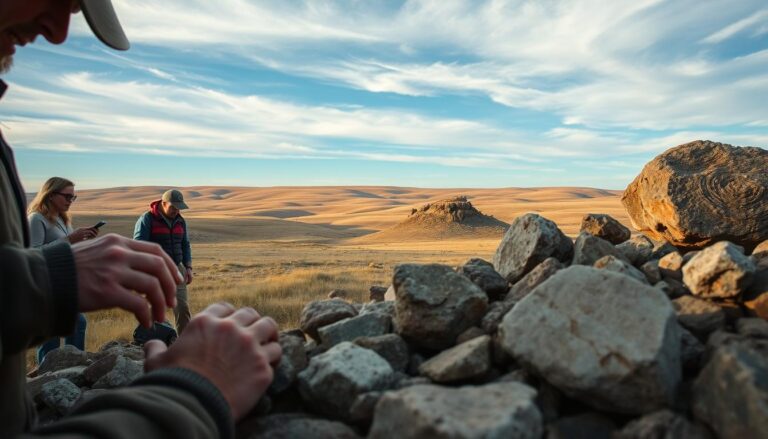
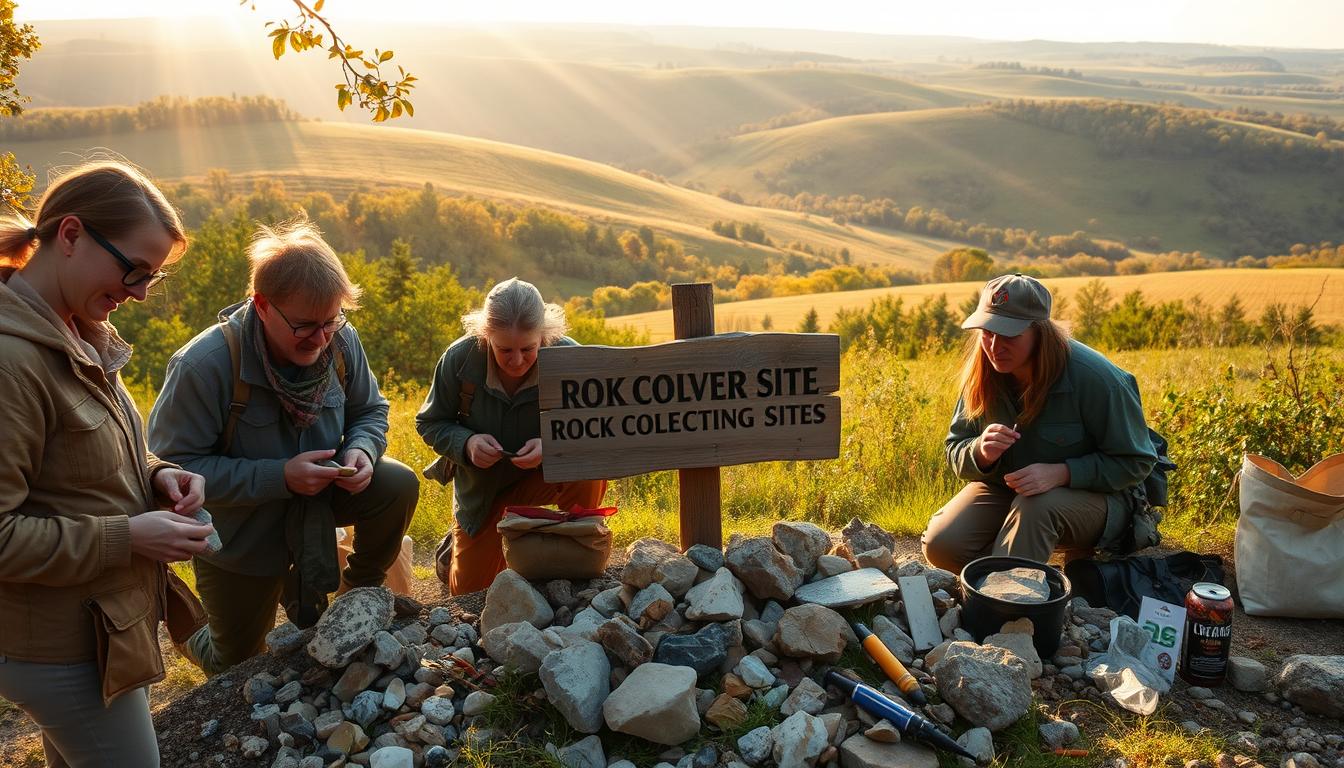
Rock Collecting Laws In Iowa can seem confusing at first, but understanding the basic rules helps you enjoy this hobby legally and responsibly. Iowa has specific regulations about where you can collect rocks, what types you can take, and how much you’re allowed to gather.
The state protects certain geological formations and fossil sites while allowing recreational collecting in many areas. Knowing these boundaries keeps you on the right side of the law while building your collection.
TL;DR
- Iowa allows rock collecting on private land with written permission and on most public lands except state parks and preserves.
- You can collect up to 25 pounds of rocks per day from state-owned lands, excluding fossils and rare minerals.
- All fossil collecting requires special permits from the Iowa Department of Natural Resources.
- Trespassing fines start at $200, while illegal collecting on protected lands can cost up to $1,000 per violation.
Rock Collecting Laws In Iowa Basics
Iowa divides rock collecting into three main categories based on location and material type. Understanding these divisions helps you stay within legal boundaries while pursuing your hobby, similar to regulations found in neighboring Missouri.
The state allows casual collecting of common rocks and minerals on most public lands, but restricts access to sensitive geological areas. Private landowners control access to their property, making permission essential before collecting.
Public Land Collecting Rules
Most Iowa public lands allow limited rock collecting under specific conditions. The 25-pound daily limit applies to state-owned lands, including wildlife management areas and some county parks.
- State forests – Open for collecting common rocks and minerals with daily limits.
- Wildlife areas – Permitted with restrictions on disturbing wildlife habitats.
- County parks – Rules vary by county, check locally before collecting.
- Road cuts – Allowed on state property with safety precautions and permission.
Restricted and Protected Areas
Several types of locations prohibit all rock collecting to preserve geological and historical significance. These restrictions carry serious penalties for violations, much like the protected areas outlined in Illinois rock collecting laws.
- State parks – Complete prohibition on removing any natural materials.
- State preserves – Protected for scientific and educational purposes.
- Archaeological sites – Federal and state laws protect cultural resources.
- Private property – Requires written landowner permission before entering.
Private Land Permissions
Private property offers some of Iowa’s best collecting opportunities, but requires proper permission protocols. Many farmers and landowners welcome respectful collectors who follow established guidelines.
Always approach landowners in person when possible, explain your hobby clearly, and offer to share interesting finds. Written permission protects both parties and prevents misunderstandings later.
Getting Landowner Permission
- Contact the owner directly. Visit during reasonable hours and introduce yourself professionally.
- Explain your collecting goals. Describe what you’re looking for and how you’ll minimize impact.
- Request written permission. A simple note with dates and boundaries prevents confusion.
- Offer compensation or sharing. Some collectors pay small fees or share duplicate specimens.
- Follow up with results. Show landowners interesting finds to maintain good relationships.
Permission Letter Template
Create a simple permission form that includes your name, contact info, collecting dates, and specific areas you want to access. Having landowners sign and date it protects everyone involved.
Fossil Collecting Regulations
Iowa has special rules for fossil collecting that differ significantly from regular rock collecting laws. The state requires permits for most fossil collecting activities, even on private land in some cases.
Vertebrate fossils (dinosaurs, mammals, fish) have stricter regulations than invertebrate fossils (shells, corals, crinoids). Understanding these distinctions prevents violations and protects valuable scientific resources.
Fossil Permit Requirements
- Scientific permits – Required for vertebrate fossils and rare specimens.
- Educational permits – Available for schools and organized groups.
- Commercial permits – Needed for any fossil collecting with intent to sell.
- Casual collecting – Limited to common invertebrate fossils with restrictions.
Common Violations and Penalties
Iowa enforces rock collecting laws through conservation officers and park rangers who patrol collecting areas regularly. Violations range from simple trespassing to serious theft of natural resources, with penalties comparable to those found in Wisconsin’s rock collecting regulations.
Penalties increase based on the value of materials taken, location of the violation, and whether commercial activity was involved. Repeat offenders face progressively steeper fines and potential jail time.
Typical Violation Penalties
- Trespassing – $200 to $500 fine plus court costs.
- Collecting without permits – $300 to $800 depending on materials.
- Exceeding daily limits – $100 to $400 per violation.
- Damage to protected areas – $500 to $1,000 plus restoration costs.
- Commercial violations – Up to $2,500 and possible felony charges.
Best Legal Collecting Spots
Iowa offers numerous legal collecting locations where enthusiasts can find interesting rocks, minerals, and fossils. These spots provide good collecting opportunities while staying within legal boundaries.
State-managed areas often have the clearest rules and consistent enforcement, making them ideal for beginners. Private quarries and farms can offer exceptional specimens with proper permission, similar to successful collecting strategies used in Michigan’s rockhounding areas.
Popular Legal Locations
- Devonian Fossil Gorge – Coralville Lake area with exposed limestone.
- Quarry sites – Active operations sometimes allow collecting with permission.
- Stream beds – Public waterways often yield interesting finds.
- Road construction – Temporary exposures with proper safety and permissions.
Articles You May Like
Frequently Asked Questions
Can I collect rocks in Iowa state parks?
No, Iowa state parks prohibit all collecting of rocks, minerals, fossils, or other natural materials. This rule helps preserve these areas for future generations.
How much can I collect per day on public land?
Iowa allows up to 25 pounds of common rocks and minerals per day from state-owned public lands. This limit doesn’t include fossils, which require special permits.
Do I need permission to collect on private farmland?
Yes, you must get written permission from the landowner before collecting rocks on any private property in Iowa. Trespassing penalties start at $200.
What fossils can I collect without permits?
Iowa allows casual collection of common invertebrate fossils like brachiopods and crinoids with daily limits. All vertebrate fossils require special scientific permits.
Are there any rocks I cannot collect at all?
Iowa restricts collection of rare minerals, geodes from protected formations, and any materials from archaeological or paleontological sites regardless of location.
Final Thoughts
Rock Collecting Laws In Iowa balance public access with resource protection, allowing hobbyists to enjoy collecting while preserving important geological sites. Following these rules keeps the hobby legal and sustainable for everyone.
Start with public lands where rules are clear, then build relationships with private landowners for access to premium collecting locations. Respect the regulations and you’ll have decades of legal collecting ahead, just like successful rockhounds following Minnesota’s collecting guidelines.