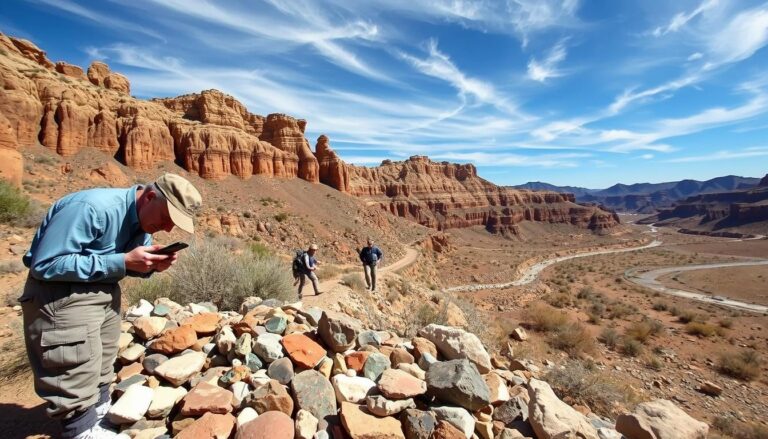

Rock Collecting Laws In Maryland can seem confusing at first, but understanding the basic rules helps you enjoy this hobby without legal trouble. Maryland has specific regulations about where you can collect rocks, fossils, and minerals on public and private property.
Most rock collectors in Maryland focus on beaches, stream beds, and designated areas where collecting is allowed. The key is knowing which locations permit collecting and which ones are strictly protected. If you’re planning rockhounding trips to neighboring states, you’ll want to familiarize yourself with rock collecting laws in Virginia and rock collecting laws in Delaware as well.
TL;DR
- Maryland state parks prohibit rock collecting entirely – violators face fines up to $1,000.
- Calvert Cliffs State Park allows fossil hunting on the beach but bans digging or using tools.
- Private property requires written permission from landowners before collecting any specimens.
- Federal lands like Antietam National Battlefield have zero-tolerance policies with criminal penalties.
Rock Collecting Laws In Maryland
Maryland divides rock collecting regulations into three main categories: state property, federal property, and private property. Each category has different rules and enforcement levels.
State parks and forests generally prohibit all collecting activities to preserve natural resources for future visitors. Federal lands have the strictest penalties, while private property collecting depends entirely on landowner permission.
State Park and Forest Regulations
Maryland State Parks prohibit removing rocks, minerals, fossils, or any natural materials from park grounds. This includes popular destinations like Patapsco Valley State Park and Gunpowder Falls State Park.
The Maryland Department of Natural Resources enforces these rules through regular patrols and visitor education programs. Park rangers can issue citations ranging from warnings to fines exceeding $1,000 depending on the violation severity.
Calvert Cliffs State Park Exception
Calvert Cliffs State Park offers the only state park exception for fossil collecting along the beach area. Visitors can search for shark teeth, shells, and other fossils that have naturally eroded from the cliffs.
However, digging into the cliffs, using tools, or climbing on unstable cliff faces remains strictly prohibited. The park allows only surface collecting of specimens already on the beach.
Federal Land Restrictions
Federal properties in Maryland maintain zero-tolerance policies for rock and mineral collecting. Sites like Antietam National Battlefield, Fort McHenry, and Assateague Island National Seashore prohibit all collecting activities.
Violations on federal land can result in criminal charges, not just civil fines. The Archeological Resources Protection Act carries penalties up to $100,000 and one year in prison for first-time offenders.
National Forest Guidelines
While Maryland has limited national forest land, collectors should know that most national forests allow small amounts of rock collecting for personal use. However, commercial collecting and removing large specimens requires special permits.
Always check with the specific forest ranger district before collecting, as local restrictions may apply to sensitive areas or endangered habitats.
Get Permission in Writing
Always request written permission from private landowners before collecting rocks on their property. This protects both you and the landowner from potential legal disputes.
Private Property Rules
Private property collecting requires explicit permission from landowners before you begin hunting for specimens. Trespassing laws in Maryland carry serious penalties, including criminal charges for repeat offenders.
Many collectors build relationships with farmers, quarry operators, and construction companies who may allow collecting in exchange for liability waivers. Always respect property boundaries and follow any specific rules the landowner establishes. Similar private property regulations exist across the mid-Atlantic region, including rock collecting laws in Pennsylvania and rock collecting laws in New Jersey.
Liability and Insurance Considerations
Property owners often worry about liability if collectors get injured on their land. Consider carrying your own liability insurance and offering to sign hold-harmless agreements to ease landowner concerns.
Some collectors join rockhound clubs that provide group insurance coverage for members engaged in approved collecting activities.
Best Legal Collecting Locations
Maryland offers several locations where rock collecting is permitted or commonly practiced with proper permissions. These spots provide good opportunities for finding interesting specimens legally.
- Calvert Cliffs beaches – Miocene fossils including shark teeth and shells
- Chesapeake Bay beaches – Quartz, jasper, and occasional agates
- Private quarries – Various minerals with owner permission
- Construction sites – Temporary access with contractor approval
- Stream beds on private land – Requires landowner permission
Penalties and Enforcement
Maryland enforces rock collecting laws through multiple agencies including state park police, DNR officers, and local law enforcement. Penalties vary significantly based on the violation location and severity, similar to enforcement patterns seen in rock collecting laws in West Virginia and other neighboring states.
First-time offenders on state property typically receive warnings or small fines under $100. However, repeat violations or collecting in sensitive areas can result in fines exceeding $1,000 and potential criminal charges.
Federal Penalties
Federal land violations carry much steeper penalties than state infractions. The Archaeological Resources Protection Act and other federal laws impose criminal penalties including substantial fines and potential jail time.
Even accidentally collecting on federal land can result in serious legal consequences, so always verify property ownership before beginning any collecting activities.
Articles You May Like
Frequently Asked Questions
Can I collect rocks from Maryland beaches?
Yes, but only from beaches that aren’t part of state or federal parks. Calvert Cliffs State Park allows fossil collecting on the beach, but most other protected beaches prohibit collecting.
What happens if I get caught collecting illegally?
Penalties range from warnings to fines over $1,000 depending on the location and violation severity. Federal land violations can result in criminal charges with much steeper penalties.
Do I need permits for rock collecting in Maryland?
Maryland doesn’t require permits for legal collecting activities, but you always need landowner permission for private property collecting. Some federal areas may require special permits for research purposes.
Are there any free legal places to collect rocks?
Calvert Cliffs State Park beach is the main free legal collecting spot, though limited to fossils only. Public beaches outside of parks may allow collecting, but verify ownership first.
Final Thoughts
Rock Collecting Laws In Maryland require careful attention to property ownership and local regulations before you start hunting for specimens. The safest approach is getting clear permission and sticking to known legal locations.
Start with Calvert Cliffs State Park for fossil hunting, then build relationships with private landowners who might allow access to their properties.