Rock Collecting Laws In Montana can seem confusing at first, but understanding the basic rules helps you enjoy this hobby legally and safely. Montana offers incredible opportunities for rock hounds, from sapphires to agates, but different areas have different regulations depending on whether you’re on public or private land.
The state’s diverse geology makes it a paradise for collectors, with famous locations like Glacier National Park and the Yellowstone River producing stunning specimens. Before you start collecting, knowing where you can legally hunt for rocks protects you from fines and helps preserve Montana’s natural resources for future generations. For collectors planning trips to neighboring states, our guides on rock collecting laws in Wyoming and rock collecting laws in Idaho provide similar comprehensive coverage.
TL;DR
- National parks in Montana prohibit all rock collecting, with fines up to $5,000 for violations.
- State lands allow personal collecting of up to 25 pounds per day without permits for non-commercial use.
- Private property requires written permission from landowners before any collecting activities.
- Commercial collecting on any public land requires special permits costing $50-$500 depending on location and scale.
Rock Collecting Laws In Montana Overview
Montana divides rock collecting regulations into several categories based on land ownership and intended use. Federal lands have the strictest rules, while state and private lands offer more flexibility with proper permissions.
The Montana Department of Fish, Wildlife & Parks oversees most state land regulations, while the U.S. Forest Service and National Park Service control federal land rules. Understanding which agency manages your collecting area prevents legal issues and ensures you follow the correct procedures.
Federal Land Regulations
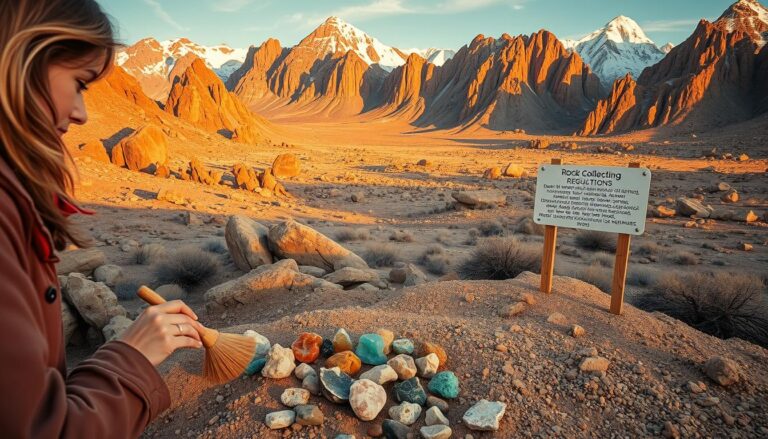
National parks in Montana completely prohibit rock collecting under the Antiquities Act and National Park Service regulations. This includes Glacier National Park and the Montana portion of Yellowstone National Park, where removing even small pebbles can result in criminal charges.
National forests operate under different rules, allowing personal collecting of common rocks and minerals in small quantities. The Forest Service limits collectors to 25 pounds per person per day, with no tools larger than hand tools permitted. These regulations are similar to those found in rock collecting laws in Colorado, where national forest collecting follows comparable guidelines.
Wilderness Areas
Designated wilderness areas within national forests have additional restrictions beyond standard forest rules. Motorized equipment is completely banned, and collectors must pack out everything they bring in, including rock specimens.
Some wilderness areas prohibit collecting entirely to preserve their pristine character. Check with local ranger stations for specific wilderness regulations before planning collecting trips.
Bureau of Land Management (BLM) Lands
BLM manages significant acreage in Montana with generally permissive collecting policies for personal use. The same 25-pound daily limit applies, with additional restrictions on using heavy equipment or commercial collecting.
BLM lands often contain the most accessible collecting sites, especially in eastern Montana where fossil hunting is popular. Always verify current regulations, as some areas may have temporary closures for wildlife protection or archaeological preservation. Collectors interested in BLM regulations across the western states should also review rock collecting laws in Utah for comparison.
State Land Policies
Montana state lands welcome rock collectors for personal use under reasonable guidelines. The 25-pound daily limit matches federal land policies, but state lands often provide easier access and fewer restrictions on collecting methods.
State parks may have individual policies that override general state land rules. Some parks designate specific collecting areas or require visitors to obtain specimens from designated stockpiles rather than natural deposits.
Contact Rangers First
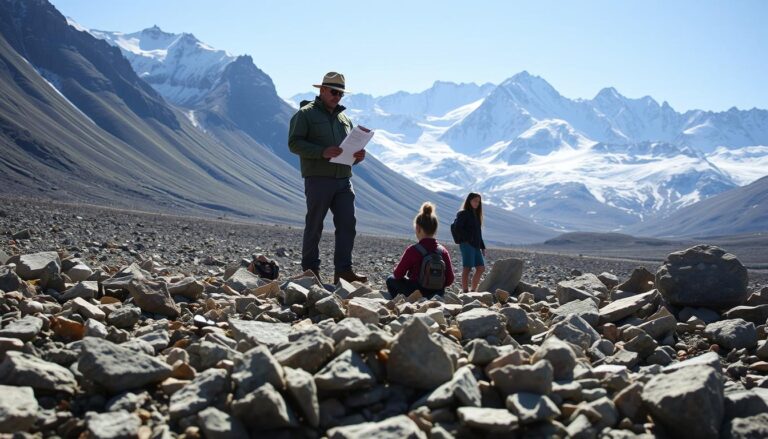
Always check with local park rangers or land management offices before collecting. Regulations change frequently, and rangers know about seasonal restrictions or special conditions you might encounter.
Fishing Access Sites
Montana’s numerous fishing access sites often produce excellent agate and jasper specimens from river gravels. These sites follow standard state collecting guidelines, but be mindful of ongoing fishing activities and park only in designated areas.
Popular sites like the Yellowstone River access points see heavy collecting pressure, so arrive early for the best opportunities. Respect other users and leave collecting areas cleaner than you found them.
Private Property Requirements
Private land collecting requires written permission from property owners, regardless of the property size or collecting intentions. Verbal permission isn’t legally sufficient and won’t protect you from trespassing charges if disputes arise.
Many Montana ranchers and farmers welcome rock collectors who ask politely and respect property boundaries. Offer to share interesting finds or provide small compensation for valuable collecting opportunities to build long-term relationships.
Ranch and Farm Properties
Agricultural properties often contain excellent collecting opportunities in fence lines, creek beds, and disturbed areas. Always close gates, avoid livestock, and stay away from buildings and equipment to maintain good relationships with landowners.
Some property owners charge collecting fees, especially for known productive areas. These fees typically range from $10-50 per day and often include directions to the best collecting spots.
Commercial Collecting Permits
Commercial rock and mineral collecting requires special permits on all public lands in Montana. The U.S. Forest Service charges $50-150 for basic commercial permits, while larger operations may pay thousands in fees and bonding requirements.
Define commercial collecting as any activity intended for resale, trade, or business use rather than personal enjoyment. Even small-scale selling can trigger commercial permit requirements, so err on the side of caution when planning collecting activities.
Permit Application Process
Commercial permit applications require detailed collecting plans, environmental impact assessments, and proof of insurance in most cases. Processing times range from 30-90 days, so plan commercial activities well in advance.
Some areas require additional permits from multiple agencies. Coordinate with all relevant authorities to ensure full compliance before beginning commercial collecting operations.
Specific Montana Collecting Areas
Glacier National Park remains completely off-limits for collecting, but surrounding national forest lands offer excellent opportunities for garnets, sapphires, and other Montana specialties. The Libby area produces beautiful garnets on Forest Service lands with proper permits.
The Yellowstone River system provides some of Montana’s best agate hunting on a mix of public and private lands. Research land ownership carefully, as property boundaries change frequently along river corridors. Rockhounds planning visits to surrounding states should consult our rock collecting laws in North Dakota guide for areas near the eastern Montana border.
Famous Montana Collecting Locations
Rock hounds know Montana for several world-class collecting areas:
- Yogo Gulch – Famous for sapphires, but mostly on private claims requiring permission
- Libby Creek – Garnets available on Forest Service land with day-use permits
- Agate Creek – Quality agates on mixed public and private land
- Bear Creek – Sapphires and garnets, check current access status
Safety and Environmental Considerations
Montana’s weather and terrain present serious safety challenges for rock collectors. Always inform someone of your collecting plans, carry emergency supplies, and check weather conditions before heading out.
Wildlife encounters, particularly with bears and mountain lions, require special precautions. Carry bear spray, make noise while collecting, and store food properly when camping in collecting areas.
Leave No Trace Principles
Follow Leave No Trace guidelines to preserve collecting opportunities for future generations. Fill excavation holes, pack out all trash, and avoid damaging vegetation or disturbing wildlife habitats.
Use existing roads and trails whenever possible to minimize environmental impact. Create new access routes only when absolutely necessary and with proper permissions from land managers.
Articles You May Like
Frequently Asked Questions
Can I collect rocks in Glacier National Park?
No, all rock collecting is prohibited in Glacier National Park under federal law. Violations can result in fines up to $5,000 and criminal charges.
How much can I collect per day on public lands?
Most public lands in Montana allow personal collectors to gather up to 25 pounds of common rocks and minerals per day using hand tools only.
Do I need permits for collecting on state lands?
Personal collecting on Montana state lands typically doesn’t require permits for amounts under 25 pounds per day. Commercial collecting always requires permits regardless of location.
What tools can I use for collecting on public lands?
Hand tools like rock hammers, chisels, and small shovels are generally permitted. Power tools, heavy equipment, and explosives require special permits on all public lands.
Is collecting allowed on private ranch property?
Private property collecting requires written permission from landowners. Always obtain proper documentation before collecting on any private land in Montana.
Final Thoughts
Rock Collecting Laws In Montana protect both collectors and the state’s geological heritage when properly understood and followed. Start with easily accessible state lands and build relationships with local rangers and landowners for the best long-term collecting opportunities.
Research specific locations thoroughly before any collecting trip, and always prioritize safety and environmental protection over finding specimens. Montana’s incredible geology will provide decades of collecting enjoyment when approached responsibly.