Rock Collecting Laws In New York can seem confusing at first, but understanding the basic rules will keep you on the right side of the law while enjoying this rewarding hobby. New York has specific regulations about where you can collect rocks, what types you can take, and how much you’re allowed to gather.
Whether you’re hunting for fossils in the Finger Lakes region or searching for garnets in the Adirondacks, knowing these laws protects both you and New York’s natural resources. The state balances public access with conservation, creating opportunities for collectors while preserving geological sites for future generations. Before exploring other states, you might want to familiarize yourself with rock collecting laws in Pennsylvania if you plan to expand your collecting adventures.
TL;DR
- New York State Parks allow personal rock collecting up to 1 pound per day per person without permits.
- Private land requires written permission from the landowner before any collecting activities.
- Commercial collecting on public lands requires special permits and fees ranging from $50-$200.
- Protected areas like wilderness zones and archaeological sites prohibit all rock collecting activities.
Rock Collecting Laws In New York State Parks
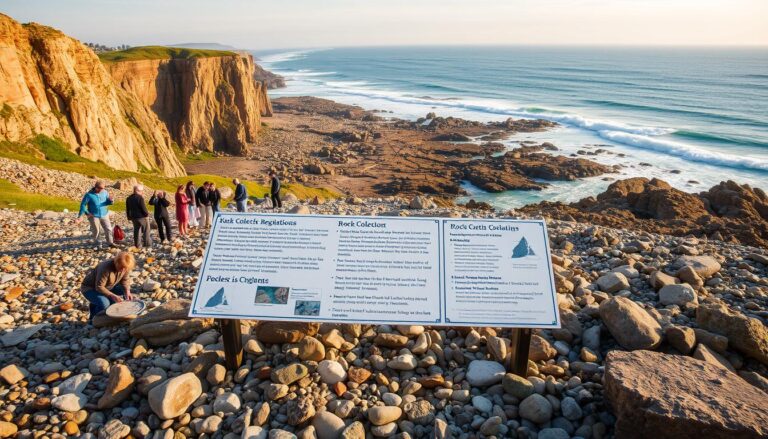
New York State Parks allow casual rock collecting for personal use with reasonable limits. Visitors can collect up to one pound of rocks, minerals, or fossils per person per day without needing special permits.
This rule applies to most state parks, but some locations have additional restrictions. Popular collecting spots like Letchworth State Park and Watkins Glen State Park follow these standard guidelines, making them accessible for hobbyist collectors.
Prohibited Items and Areas
Certain materials remain off-limits even in parks that allow collecting. Native American artifacts, endangered species fossils, and culturally significant items cannot be removed under any circumstances.
Wilderness areas, nature preserves, and designated scientific study zones prohibit all collecting activities. These protected spaces preserve ecosystems and geological formations for research and education.
Private Property Requirements
Collecting rocks on private land requires explicit written permission from the property owner. Verbal agreements aren’t legally sufficient and can lead to trespassing charges if disputes arise later.
Many landowners welcome collectors, especially if you offer to share interesting finds or provide small compensation. Building relationships with property owners opens access to prime collecting locations that others can’t reach. Similar permission requirements exist in neighboring states, such as rock collecting laws in Connecticut and rock collecting laws in Vermont.
Landowner Liability Concerns
Property owners worry about injuries and insurance claims when allowing visitors. Carrying personal liability insurance and signing waivers helps address these concerns.
Offering to restore any disturbed areas or limiting group sizes also makes landowners more comfortable. These gestures show respect for their property and increase chances of continued access.
Document Your Permissions
Always carry written permission when collecting on private land. Take photos of permission letters on your phone as backup documentation.
Commercial Collecting Regulations
Commercial rock collecting on public lands requires special permits from the New York State Department of Environmental Conservation. These permits cost between $50-$200 depending on the scope and duration of collecting activities.
Commercial operations must provide detailed collection plans, environmental impact assessments, and proof of insurance. The permit process takes 30-60 days, so plan well ahead of intended collecting dates.
Permit Application Requirements
Applications must include specific location maps, collection methods, and restoration plans. Applicants also need to demonstrate expertise in geological collecting and environmental protection.
The state reviews each application individually, considering factors like rare species habitat, geological significance, and potential visitor conflicts. Not all applications receive approval, particularly in sensitive areas.
Federal Land Restrictions
National parks, forests, and monuments have their own collecting rules that often differ from state regulations. Most federal lands prohibit rock collecting entirely or require special use permits.
The Adirondack Park, which includes both state and private lands, follows New York state rules on state portions but may have different regulations on federally managed sections. Always check with specific land management agencies before collecting.
National Forest Guidelines
National forests sometimes allow small-scale personal collecting under specific conditions. Collectors typically need to register with forest service offices and follow quantity limits similar to state parks.
These areas often have seasonal restrictions during wildlife breeding periods or fire danger seasons. Contact local ranger stations for current regulations and seasonal closures.
Popular Collecting Locations
New York offers numerous legal collecting opportunities across different geological regions. The Finger Lakes area produces excellent fossils, while the Adirondacks yield quality mineral specimens.
Lake George and surrounding areas provide garnet collecting opportunities on both public and private lands. Many commercial mines offer fee-based collecting that guarantees finds and eliminates legal concerns.
Recommended Public Sites
- Penn Dixie Fossil Park & Nature Reserve – Fee-based collecting with guaranteed fossil finds.
- Herkimer Diamond Mines – Commercial operations offering guided collecting experiences.
- Sterling Hill Mining Museum – Educational programs combined with collecting opportunities.
- Public beaches along Lake Champlain – Free collecting below high water marks.
Enforcement and Penalties
New York State Park Police and Environmental Conservation Officers enforce collecting regulations throughout the state. Violations can result in fines ranging from $100-$1,000 plus confiscation of collected materials.
Repeat offenders or those taking large quantities face more serious charges including criminal trespass and theft of state resources. These charges carry potential jail time and permanent collecting bans from state lands, similar penalties to those found in rock collecting laws in New Jersey.
Common Violations
Exceeding weight limits, collecting in prohibited areas, and taking protected specimens generate most citations. Officers also ticket collectors who damage vegetation or leave disturbed areas unrestored.
Using power tools without permits, collecting at night, or bringing large groups without notification also violate regulations. Understanding these common mistakes helps collectors avoid problems.
Articles You May Like
Frequently Asked Questions
Can I collect rocks from New York beaches?
Yes, you can collect rocks from most New York beaches below the high water mark, following the standard one-pound daily limit. Private beaches require landowner permission.
Do I need permits for collecting on state forest lands?
Personal collecting under one pound per day typically doesn’t require permits on state forests. Commercial collecting or larger quantities need special permits from the DEC.
What happens if I accidentally collect in a prohibited area?
Accidental violations often result in warnings for first-time offenders, especially if you cooperate and return materials immediately. Repeated violations or large collections face fines and prosecution.
Are there seasonal restrictions on rock collecting?
Some areas have seasonal restrictions during wildlife breeding seasons or extreme weather conditions. Check with local park offices before visiting during spring nesting periods or winter months.
Final Thoughts
Rock Collecting Laws In New York provide clear guidelines that protect both collectors and natural resources when properly followed. The state’s reasonable approach allows hobbyists to enjoy their passion while preserving geological sites for everyone.
Start with public parks and fee-based sites to build experience, then explore private land opportunities as you develop relationships with landowners. Always carry proper documentation and respect collection limits to ensure continued access for all rock collectors. If you’re planning to collect in nearby states, consider researching rock collecting laws in Massachusetts or other northeastern states for similar guidelines.