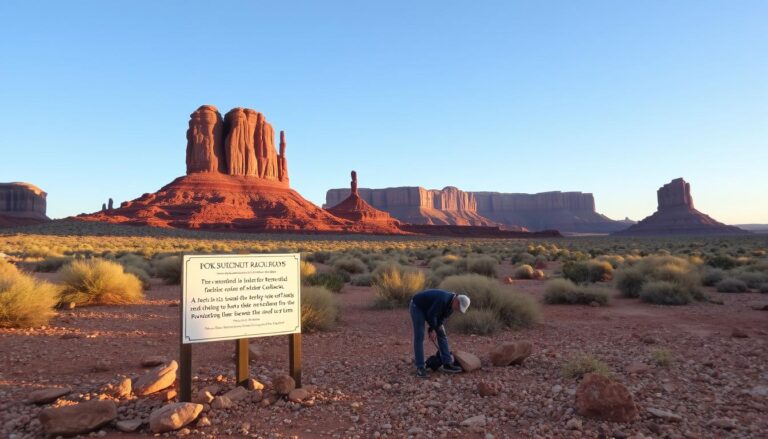
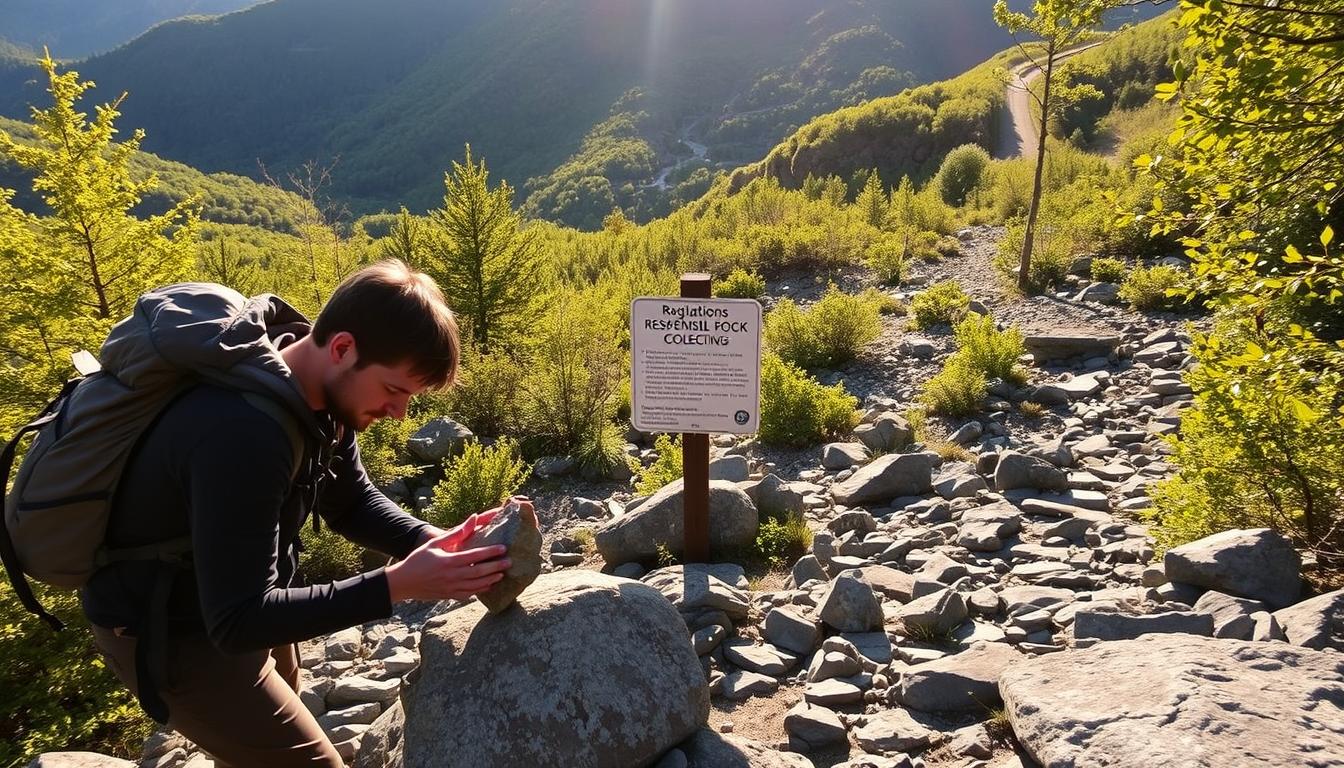
Rock Collecting Laws In Pennsylvania can be confusing for hobbyists who want to explore the state’s rich geological landscape legally. Pennsylvania offers incredible opportunities for rock hounds, from ancient fossils in limestone quarries to beautiful quartz crystals in the Pocono Mountains.
Understanding the legal framework protects both collectors and Pennsylvania’s natural resources. Different rules apply depending on whether you’re on state land, private property, or federal territory, similar to the regulations found in neighboring New York state.
TL;DR
- Pennsylvania state parks allow rock collecting with a $10 annual permit, but no digging tools are permitted.
- Private property requires written landowner permission – verbal agreements aren’t legally sufficient.
- Federal lands like Delaware Water Gap prohibit all rock collecting with fines up to $5,000.
- Commercial collecting requires separate licensing through the Department of Conservation and Natural Resources.
Rock Collecting Laws In Pennsylvania
Pennsylvania divides rock collecting regulations into three main categories based on land ownership. State lands require permits, private property needs owner consent, and federal areas typically prohibit collecting entirely.
The Pennsylvania Department of Conservation and Natural Resources oversees most collecting activities on public land. Their rules balance public access with resource protection, allowing hobbyists to enjoy the outdoors while preserving specimens for future generations.
State Park and Forest Regulations
Pennsylvania state parks require an annual collecting permit costing $10 for residents and $20 for non-residents. This permit covers all state parks and forests within Pennsylvania’s system for one calendar year.
The permit comes with specific restrictions that collectors must follow:
- Hand collecting only – No shovels, picks, or mechanical tools allowed.
- Surface specimens – Only rocks and minerals visible on the ground surface.
- Personal use limit – Maximum 25 pounds per day per person.
- No rare minerals – Protected species like certain garnets and tourmalines are off-limits.
- Designated areas – Some parks restrict collecting to specific zones.
Popular State Collecting Areas
Several state parks are known for their collecting opportunities. Ricketts Glen State Park offers excellent quartz specimens, while Presque Isle features unique Lake Erie beach stones.
Always check with individual park offices before visiting, as some areas may have temporary restrictions due to construction or environmental concerns.
Private Property Guidelines
Private property requires explicit written permission from the landowner before any collecting begins. Verbal agreements, while friendly, don’t provide legal protection if disputes arise later.
Smart collectors follow these private property protocols:
- Contact owners first. Never trespass, even if property appears abandoned.
- Get written permission. A simple signed note protects both parties.
- Discuss expectations. Clarify what you can collect and where you can go.
- Offer compensation. Many landowners appreciate small payments or shared finds.
- Restore disturbed areas. Fill holes and remove trash when you leave.
Quarry and Mine Access
Active quarries and mines require special safety training and insurance coverage. Most commercial operations restrict public access due to liability concerns, but some offer scheduled collecting days for clubs.
Abandoned mines present serious safety hazards including unstable ground, toxic gases, and deep water. Pennsylvania law prohibits entering abandoned underground mines without proper permits, similar to the strict mining regulations found in West Virginia’s coal mining regions.
Join Local Rock Clubs
Pennsylvania rock and mineral clubs often negotiate group access to private collecting sites. Club membership typically costs $20-50 annually and includes field trip opportunities you can’t access alone.
Federal Land Restrictions
Federal lands in Pennsylvania strictly prohibit rock and mineral collecting. Areas like Delaware Water Gap National Recreation Area and Allegheny National Forest consider all specimens part of the protected ecosystem.
Penalties for collecting on federal land include fines up to $5,000 and possible criminal charges. Park rangers actively patrol popular areas and can confiscate vehicles used in illegal collecting activities.
National Park Service Rules
The National Park Service follows a “leave no trace” philosophy that prohibits removing any natural materials. This includes common rocks, fossils, and even small pebbles that visitors might consider insignificant.
Photography and educational observation are encouraged alternatives that let you document finds without removing them from their natural setting.
Commercial Collecting Licenses
Commercial rock collecting requires separate licensing through Pennsylvania’s Department of Environmental Protection. These permits cost significantly more than recreational licenses and include strict reporting requirements.
Commercial collectors must maintain detailed records of all specimens collected, including GPS coordinates, quantities, and eventual sale destinations. Annual reporting deadlines are strictly enforced with substantial penalties for late submissions, much like the commercial regulations in Virginia’s commercial mining operations.
Fossil Collecting Considerations
Fossil collecting follows the same basic rules as rock collecting, but paleontologically significant specimens require special handling. Pennsylvania’s rich fossil record includes important Devonian and Pennsylvanian period specimens.
Scientifically valuable fossils should be reported to the State Museum of Pennsylvania or local universities. Many institutions offer finder’s rewards or co-discovery credit for important specimens.
Articles You May Like
Frequently Asked Questions
Do I need a permit for rock collecting in Pennsylvania state parks?
Yes, Pennsylvania requires a $10 annual permit for residents to collect rocks in state parks and forests. The permit allows surface collecting only with no digging tools permitted.
Can I collect rocks on private property without permission?
No, collecting on private property without written landowner permission is trespassing. Always contact property owners first and get written consent before collecting.
What’s the penalty for collecting rocks in federal parks?
Federal land violations carry fines up to $5,000 plus possible criminal charges. Rangers can confiscate vehicles and equipment used in illegal collecting activities.
How much rock can I collect per day in state parks?
Pennsylvania state parks limit collecting to 25 pounds per person per day. This applies only to surface specimens collected by hand without tools.
Final Thoughts
Rock Collecting Laws In Pennsylvania are designed to balance hobbyist access with resource conservation. Following permit requirements and respecting property rights ensures continued access for future collectors.
Start with your local state park permit and connect with established rock clubs to learn the best legal collecting locations in your area. For collectors planning to explore other states, understanding the differences in regulations like those found in Ohio or Maryland can help you plan successful collecting trips throughout the region.