Rock Collecting Laws In Vermont can seem confusing at first, but understanding the basic rules helps you explore legally and responsibly. Vermont has specific regulations about where you can collect rocks, minerals, and fossils on different types of land.
Whether you’re hunting for Vermont’s famous green serpentine or looking for quartz crystals, knowing these laws protects both you and the state’s natural resources. The rules vary significantly depending on whether you’re on private property, state land, or federal territory, similar to regulations found in other northeastern states like New Hampshire and Maine.
TL;DR
- Vermont state parks prohibit all rock and mineral collecting without written permits costing $25-50 annually.
- Private property requires written landowner permission – verbal consent isn’t legally sufficient for collecting.
- Green Mountain National Forest allows personal collecting up to 25 pounds per day with hand tools only.
- Commercial collecting requires special permits and insurance coverage ranging from $10,000-50,000.
Rock Collecting Laws In Vermont: State Land Regulations
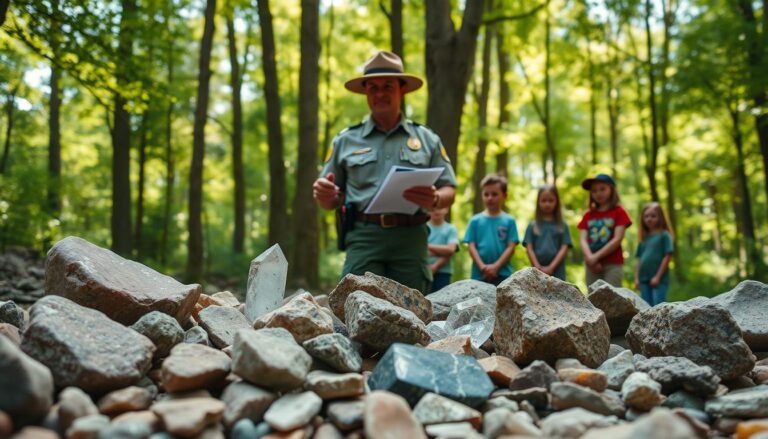
Vermont state parks and forests have strict policies regarding rock and mineral collecting. You cannot remove any geological specimens from state parks without obtaining a written collecting permit from the Vermont Department of Forests, Parks and Recreation.
The permit process requires submitting an application detailing your collecting goals, experience level, and intended use of specimens. Most permits cost between $25-50 annually and come with specific restrictions on collecting areas, quantities, and methods allowed.
State Forest Collecting Rules
Vermont state forests operate under different guidelines than state parks. Personal collecting is generally permitted in designated areas using hand tools only, but you must follow these restrictions:
- Daily limits – Maximum 25 pounds of specimens per person per day
- Tool restrictions – Hand tools only, no mechanized equipment allowed
- Protected areas – Stay away from rare plant habitats and archaeological sites
- Restoration requirements – Fill any holes and restore disturbed areas
Private Property and Landowner Rights
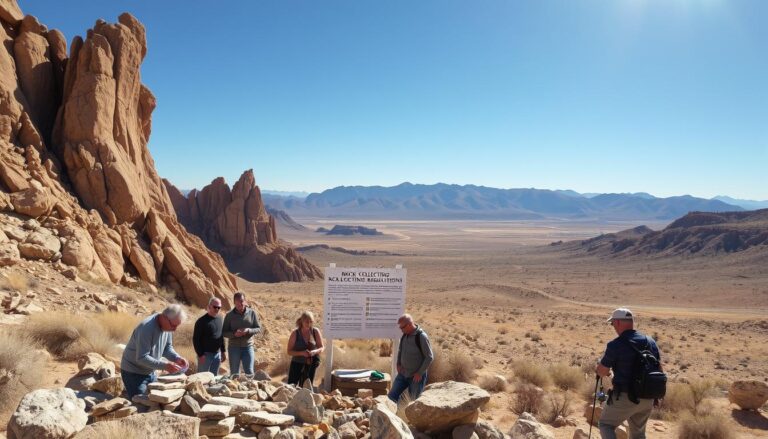
Collecting on private property requires explicit written permission from the landowner before you begin. Verbal permission isn’t legally sufficient and won’t protect you if disputes arise later, a requirement that’s consistent across many states including Massachusetts and Connecticut.
Many Vermont landowners are receptive to allowing collecting if you approach them respectfully and explain your hobby. Always offer to share interesting finds with the property owner and respect any restrictions they set on collecting areas or methods.
Get Permission in Writing
Create a simple one-page agreement that includes the collecting area, time limits, and any special conditions. Both you and the landowner should sign and date copies to keep.
Federal Land and National Forest Guidelines
The Green Mountain National Forest allows personal rock and mineral collecting under the “reasonable amounts for personal use” policy. This typically means up to 25 pounds per person per day using hand tools only.
You cannot collect in designated wilderness areas, near trails, or in locations where collecting would damage vegetation or wildlife habitat. Commercial collecting or selling specimens collected from federal land requires special permits and is heavily regulated.
Protected Specimens and Restricted Areas
Vermont protects certain geological formations and fossil sites from any collecting activity:
- Fossil sites – Most significant fossil locations require research permits
- Rare minerals – Some serpentine outcrops are protected for scientific study
- Cultural sites – Areas with Native American artifacts are strictly off-limits
- Endangered species habitat – Collecting prohibited near rare plant communities
Commercial Collecting and Permits
If you plan to sell specimens you collect in Vermont, you need commercial collecting permits from the appropriate land management agency. These permits involve more extensive applications, insurance requirements, and often require restoration bonds, similar to commercial operations in western states like Colorado.
Commercial operations must carry liability insurance ranging from $10,000 to $50,000 depending on the scope of activities. You’ll also need to submit detailed site restoration plans and may face regular inspections during active collecting periods.
Penalties for Violations
Violating Vermont’s rock collecting laws can result in significant penalties. First-time violations typically carry fines of $100-500, while repeat offenses or commercial violations without permits can result in fines up to $10,000 plus restitution costs.
- Document everything. Keep copies of all permits, landowner agreements, and collecting records with dates and locations.
- Know the boundaries. Use GPS or detailed maps to ensure you’re collecting in legal areas and staying within permitted zones.
- Follow restoration rules. Fill holes, remove trash, and minimize environmental impact at every collecting site you visit.
Frequently Asked Questions
Can I collect rocks from Vermont state parks without a permit?
No, Vermont state parks prohibit all rock and mineral collecting without written permits from the Department of Forests, Parks and Recreation.
How much can I collect from Green Mountain National Forest daily?
The National Forest allows up to 25 pounds of rocks and minerals per person per day for personal use only.
Do I need written permission for private property collecting?
Yes, Vermont law requires written landowner permission for collecting on private property – verbal consent isn’t legally sufficient.
What tools are allowed for rock collecting in Vermont?
Most public lands restrict collecting to hand tools only, prohibiting mechanized equipment like jackhammers or power tools.
Final Thoughts
Rock Collecting Laws In Vermont are designed to protect the state’s geological heritage while allowing hobbyists to enjoy this rewarding activity responsibly. Following these regulations ensures you can continue collecting legally while preserving Vermont’s natural resources for future generations.
Start by familiarizing yourself with the specific rules for your target collecting areas and always obtain proper permits before heading out. Respecting these laws and landowner rights keeps the hobby accessible for everyone.