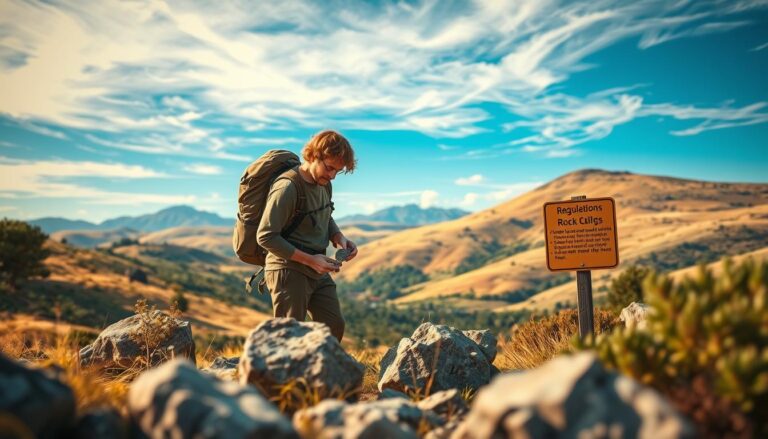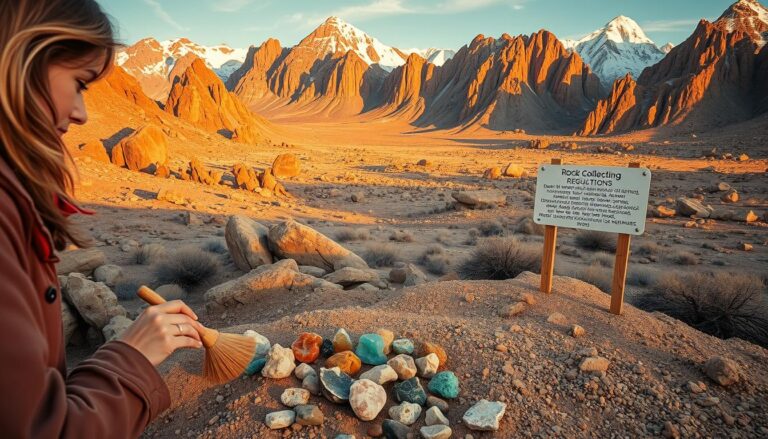
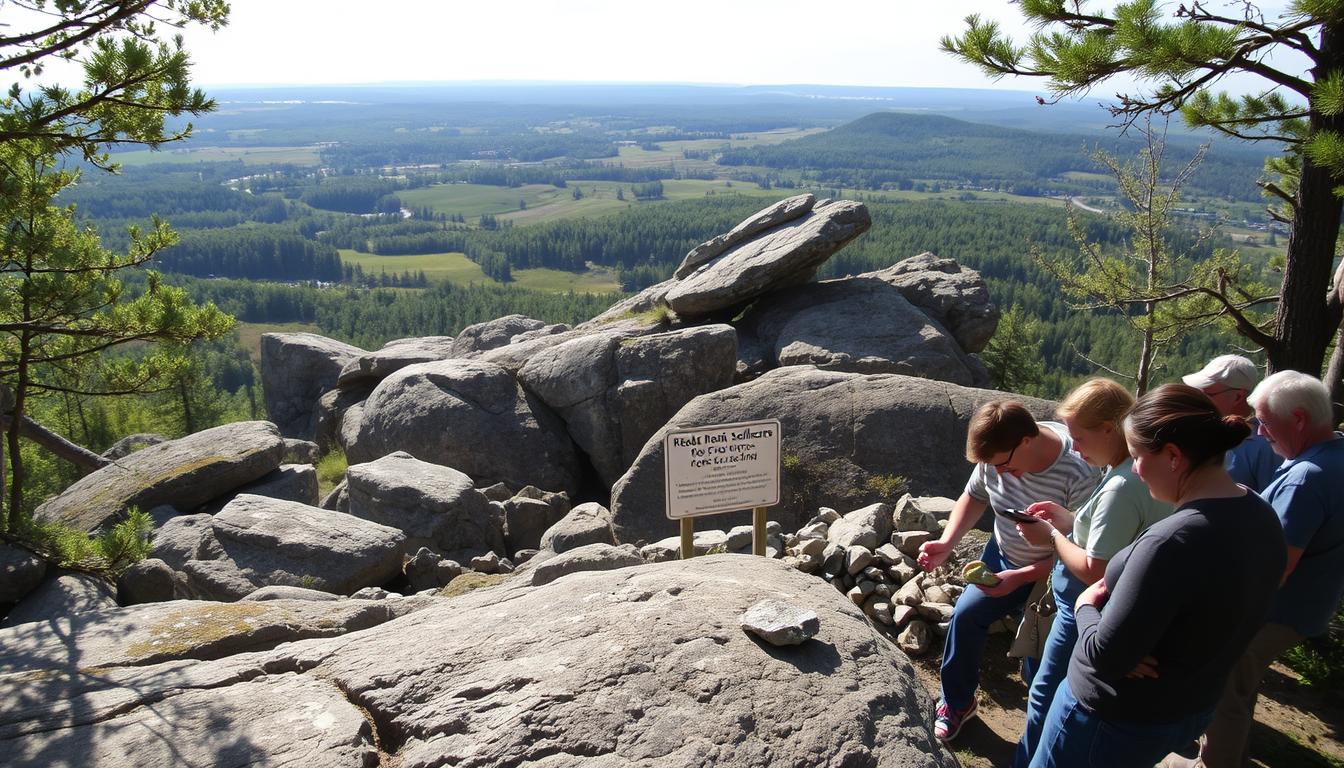
Rock Collecting Laws In Wisconsin can seem confusing at first, but understanding the basic rules helps you collect legally while protecting natural resources. Wisconsin has specific regulations for different types of land, from state parks to private property, similar to rock collecting laws in Michigan which also emphasize land ownership distinctions.
The key is knowing where you can collect and what permits you might need. Most violations happen because people don’t realize they need permission or are collecting in protected areas.
TL;DR
- Wisconsin state parks require a $10 annual vehicle sticker but prohibit rock collecting entirely.
- Private property always requires written landowner permission before collecting any rocks or minerals.
- Lake Superior beaches allow small-scale personal collecting of common stones like agates without permits.
- Commercial collecting requires special permits and fees ranging from $25 to $200 depending on location and scope.
Rock Collecting Laws In Wisconsin
Wisconsin divides rock collecting regulations by land ownership type. State-owned lands have the strictest rules, while private property follows landowner preferences.
The Wisconsin Department of Natural Resources oversees most public land regulations. They aim to preserve geological features while allowing reasonable recreational access where appropriate.
State Parks and Natural Areas
Wisconsin state parks completely prohibit rock, mineral, and fossil collecting. This includes picking up small pebbles or interesting stones you find on trails.
State natural areas have even stricter protections since they preserve unique ecosystems. Violations can result in fines up to $200 plus court costs.
Scientific and Educational Exceptions
Universities and research institutions can apply for special collecting permits in state parks. These permits require detailed research proposals and strict reporting requirements.
The application process takes 30-60 days and costs $50 for non-commercial research. All specimens collected must be cataloged and stored in approved facilities.
Private Property Rules
Private landowners control all collecting activities on their property. Always get written permission before entering private land, even if it appears abandoned, as emphasized in Minnesota rock collecting laws which share similar landowner consent requirements.
Wisconsin trespassing laws apply to rock collectors just like any other activity. Posted signs, fences, or verbal warnings from landowners must be respected immediately.
- Written Permission – Get landowner consent in writing with specific collection areas and time limits.
- Property Boundaries – Use county GIS maps to verify property lines before collecting.
- Liability Issues – Some landowners require insurance or liability waivers for collection activities.
- Access Restrictions – Respect seasonal restrictions like hunting seasons or agricultural activities.
Lake Superior Shoreline
Lake Superior beaches in Wisconsin allow small-scale personal rock collecting without permits. This covers popular agate hunting areas along the north shore.
The 50-foot rule applies – you can collect within 50 feet of the high water mark on public beaches. Stay below the vegetation line to avoid trespassing on private property.
Check Beach Access First
Many Lake Superior beaches require parking fees or have limited public access. Research parking areas and access points before planning collecting trips.
What You Can Collect
Common Lake Superior collectibles include agates, thomsonite, and various quartz specimens. Rare or commercially valuable minerals may require special permits.
Personal collecting means reasonable amounts for hobby purposes – typically what you can carry in a small bag or bucket.
National Forest Lands
The Chequamegon-Nicolet National Forest allows limited rock collecting for personal use without permits. Commercial collecting requires Forest Service permits and fees.
Personal collecting limits include one gallon per person per day of common rocks and minerals. Fossils and rare specimens are generally prohibited.
- Wilderness Areas – No collecting allowed in designated wilderness zones within national forests.
- Archaeological Sites – All Native American sites and historical areas are off-limits.
- Seasonal Closures – Some areas close during wildlife breeding seasons or fire danger periods.
- Tool Restrictions – Hand tools only, no motorized equipment or explosives.
Commercial Collecting Permits
Anyone selling rocks, minerals, or fossils collected in Wisconsin needs appropriate permits. This includes online sales and rock shop inventory.
Commercial permits require business licenses, insurance, and detailed collection reports. Fees range from $25 for small operations to $200 for large commercial ventures, which aligns with permit structures found in Montana’s rock collecting regulations.
Permit Application Process
Submit applications 60 days before planned collecting activities. Include collection site maps, target species, and estimated quantities.
Annual permits require renewal by December 31st each year. Late renewals incur additional fees and may face collection restrictions.
Prohibited Areas and Materials
Certain locations and materials are completely off-limits regardless of permits or landowner permission. These restrictions protect sensitive environments and archaeological resources.
Native American burial sites, archaeological areas, and designated critical habitats have federal protection beyond state regulations.
- Effigy Mounds – All Native American mounds and ceremonial sites are federally protected.
- Rare Minerals – Some minerals like certain copper specimens require special handling permits.
- Fossil Beds – Significant paleontological sites need professional excavation permits.
- Wetland Areas – Protected wetlands prohibit disturbance including rock collecting activities.
Frequently Asked Questions
Can I collect rocks in Wisconsin Dells State Park?
No, all Wisconsin state parks prohibit rock collecting including small stones or pebbles. This rule applies to Wisconsin Dells and all other state park properties.
Do I need permits to hunt agates on Lake Superior beaches?
No permits are needed for personal agate collecting on public Lake Superior beaches within 50 feet of the water line. Commercial collecting requires Forest Service permits.
What happens if I get caught collecting rocks illegally?
Violations can result in fines up to $200 plus court costs, confiscation of collected materials, and potential trespassing charges on private property.
Can I collect fossils in Wisconsin?
Fossil collecting follows the same land ownership rules as rock collecting. Most significant fossil sites are on protected lands where collecting is prohibited.
Final Thoughts
Rock Collecting Laws In Wisconsin protect natural resources while allowing reasonable hobby collecting in appropriate areas. Research land ownership and get proper permissions before collecting anywhere, and consider studying regulations in neighboring states like Iowa’s rock collecting laws if you plan multi-state collecting trips.
Start with Lake Superior beaches or private property with landowner permission to build your collection legally. Understanding the rules helps preserve these geological treasures for future generations.