Best Rocks For Perfect Polish can transform your tumbling hobby from frustrating to incredibly rewarding. The secret lies in choosing rocks with the right hardness, density, and structure that can withstand the grinding process while developing a mirror-like shine.
Rock polishing requires patience and skill, but selecting quality specimens makes all the difference. Hard rocks like agate, jasper, and quartz varieties consistently deliver stunning results that make the time investment worthwhile.
TL;DR
- Rocks with Mohs hardness 6-8 produce the best polish results and can handle tumbling without breaking.
- Agate, jasper, and tiger’s eye are top choices that polish to a high gloss in 4-6 weeks of tumbling.
- Natural sources like beaches and riverbeds offer pre-weathered specimens that tumble faster than fresh quarry rocks.
- Commercial rough rock suppliers sell pre-sorted materials that save time identifying good polishing candidates.
Best Rocks For Perfect Polish Selection Guide
Choosing rocks for polishing starts with understanding hardness and density. Rocks between 6-8 on the Mohs scale offer the perfect balance – hard enough to achieve a brilliant shine but not so hard they damage your tumbler or take forever to polish.
Dense rocks without cracks or soft inclusions handle the tumbling process best. They maintain their shape while developing smooth, reflective surfaces that catch light beautifully.
Top Quartz Varieties for Polishing
Quartz and its varieties consistently rank as the best choices for rock polishing. Their hardness of 7 on the Mohs scale and crystalline structure create ideal conditions for developing high-gloss finishes.
Agate
Agate stands out as the gold standard for rock polishing. Its banded patterns become more pronounced with each polishing stage, revealing intricate designs that look professionally cut.
This chalcedony variety tumbles evenly and rarely chips or cracks during processing. Beginners love agate because it’s forgiving and produces consistent results across different colors and patterns.
Jasper
Jasper offers rich earth tones and unique patterns that make each polished stone one-of-a-kind. Red jasper, picture jasper, and fancy jasper all polish beautifully with minimal effort.
The opaque nature of jasper means surface scratches disappear completely during fine polishing stages. This quality makes jasper perfect for creating cabochons and decorative display pieces.
Tiger’s Eye
Tiger’s eye creates stunning chatoyant effects when properly polished. The golden bands seem to move as light hits the surface, creating a mesmerizing optical display.
This metamorphic rock maintains its fibrous structure during tumbling, which creates the signature shimmer effect. Blue tiger’s eye and red tiger’s eye offer color variations while maintaining the same polishing properties.
Rose Quartz
Rose quartz provides soft pink tones that polish to a gentle, romantic glow. The translucent quality allows light to penetrate slightly, creating depth in the finished stone.
High-quality rose quartz without fractures produces some of the smoothest finishes possible. The pale color shows polish quality clearly, making it easy to judge when the tumbling process is complete.
Igneous Rock Options
Volcanic rocks offer unique textures and colors that create striking polished specimens. These rocks formed from cooling magma often contain interesting mineral compositions that enhance their finished appearance.
Obsidian
Obsidian polishes to a mirror-like finish that rivals professionally cut gemstones. This natural glass requires careful handling but rewards polishers with incredible shine and smooth surfaces.
Black obsidian, mahogany obsidian, and rainbow obsidian each offer different visual effects. The glass structure means obsidian reaches full polish faster than crystalline rocks, often completing the process in 3-4 weeks.
Rhyolite
Rhyolite combines beautiful colors with excellent polishing characteristics. Wonder stone, a popular rhyolite variety, displays swirling patterns in earth tones that intensify during polishing.
This igneous rock maintains consistent hardness throughout, preventing uneven polishing that can occur with mixed-hardness specimens. Rhyolite works well in both rotary and vibratory tumblers.
Metamorphic Rock Choices
Metamorphic rocks transformed by heat and pressure often develop unique characteristics perfect for polishing. These rocks typically have consistent hardness and interesting visual features.
Jade
Jade produces some of the most prized polished stones due to its smooth texture and rich green colors. Both nephrite and jadeite jade polish beautifully, though nephrite is more commonly available.
The tough, interlocking crystal structure of jade resists chipping and creates incredibly smooth surfaces. Jade takes longer to polish than quartz varieties but develops an almost waxy luster that’s highly sought after.
Serpentine
Serpentine offers various shades of green with interesting patterns and relatively soft polishing requirements. This rock reaches a good polish with less aggressive grinding than harder alternatives.
Williamsite, a translucent variety of serpentine, creates particularly attractive polished specimens. The slightly lower hardness means serpentine polishes quickly while still achieving good shine.
Quick Hardness Test
Scratch test your rocks with a steel knife blade before tumbling. Rocks that resist scratching will polish well, while those that scratch easily may crumble during processing.
Sedimentary Options
Some sedimentary rocks work well for polishing, though they require more careful selection. Look for specimens that have undergone natural hardening processes or contain silica cement.
Petrified Wood
Petrified wood combines organic patterns with mineral hardness, creating unique polished pieces. The wood grain patterns remain visible while achieving a glossy finish that highlights natural colors.
Quality petrified wood has been completely replaced by silica, giving it quartz-like hardness. Arizona petrified wood and Madagascar petrified wood are particularly prized for their vibrant colors and complete mineralization.
Chert and Flint
These silica-rich sedimentary rocks polish well despite their typically dull appearance in rough form. Colorful varieties like Mozarkite reveal hidden beauty during the polishing process.
Chert and flint have cryptocrystalline structures similar to chalcedony, making them reliable polishing candidates. They work especially well when mixed with other similar-hardness rocks in tumbler loads.
Finding Quality Polishing Specimens
Successful rock polishing starts with finding quality rough material. Natural sources often provide pre-weathered specimens that tumble faster and more predictably than fresh-quarried rocks.
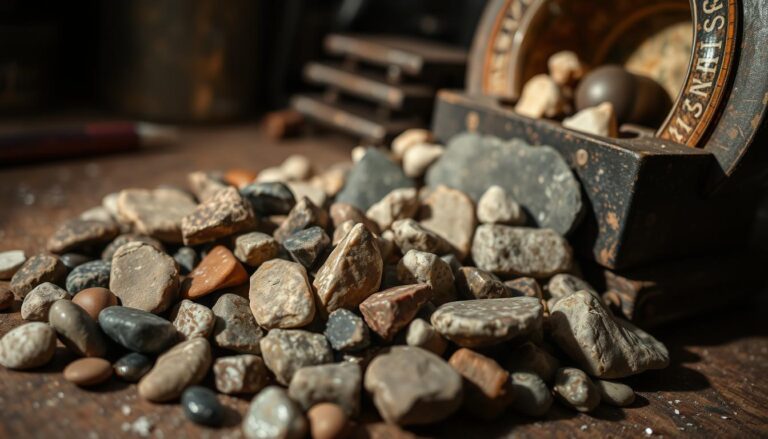
Beach collecting offers rocks already smoothed by wave action, giving you a head start on the polishing process. River gravels provide similar benefits with the added advantage of being pre-sorted by water flow.
Natural Collection Sites
Research local geology to find productive collecting areas. State geological surveys often publish guides showing where different rock types occur naturally.
Always obtain permission before collecting on private property. Many public lands allow rock collecting, but check regulations first to avoid legal issues.
- Beaches – Look for dense, hard pebbles in the wave zone
- Creek beds – Find rounded stones in gravel bars
- Road cuts – Locate fresh exposures of interesting rock types
- Mine dumps – Discover unusual minerals and rock varieties
Commercial Sources
Rock shops and online suppliers offer pre-selected rough suitable for polishing. These sources save time by providing known-quality material sorted by type and size.
Buying rough in bulk often provides better value than individual specimens. Many suppliers offer mixed boxes specifically designed for tumbling, containing various rocks with similar hardness levels.
Identifying Good Polishing Candidates
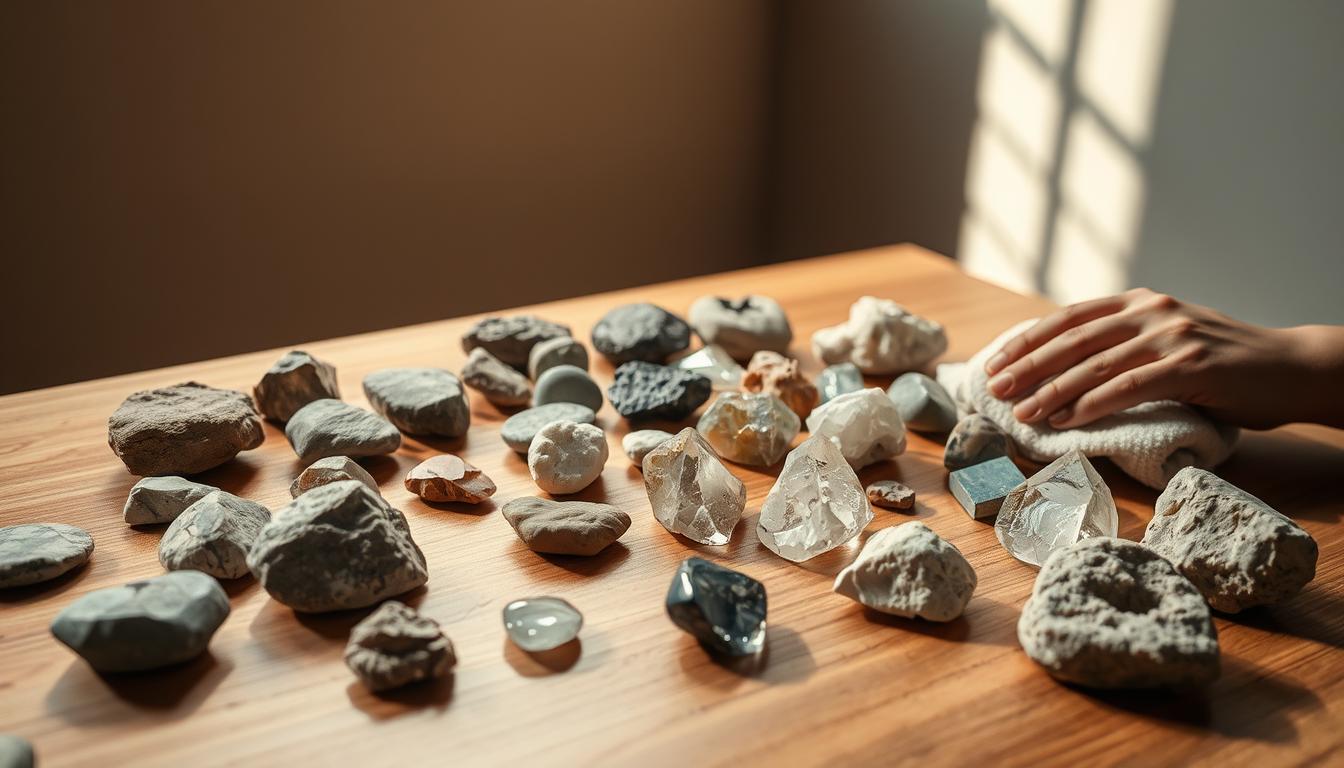
Learning to identify quality specimens saves time and produces better results. Good polishing rocks share several common characteristics that become easier to recognize with experience.
Visual inspection reveals much about a rock’s polishing potential. Look for consistent color, lack of visible fractures, and appropriate density for the rock type.
Physical Characteristics
Dense rocks feel heavy for their size and produce a sharp sound when tapped together. Light or hollow-feeling specimens often contain voids or soft minerals that cause problems during tumbling.
Smooth, weathered surfaces indicate rocks that will polish evenly. Rough, pitted surfaces may hide internal flaws that become apparent only after starting the polishing process.
- Hardness – Resist scratching with steel implements
- Density – Feel heavy and solid throughout
- Structure – Show no visible cracks or soft spots
- Color – Display consistent tone without muddy patches
Rocks to Avoid
Certain rock types consistently cause problems during polishing and should be avoided, especially by beginners. Soft rocks, layered rocks, and specimens with mixed hardness create headaches during tumbling.
Rocks containing metallic minerals often streak or stain other stones in the tumbler load. Similarly, rocks with soluble minerals may dissolve partially, creating slurry that interferes with polishing action.
- Avoid soft rocks – Limestone, sandstone, and shale crumble during tumbling
- Skip layered specimens – Slate and schist separate along bedding planes
- Reject cracked rocks – Fractures expand during tumbling, causing breakage
- Watch for metal content – Pyrite and magnetite cause staining problems
Articles You May Like
Frequently Asked Questions
What rocks should beginners start with for polishing?
Beginners should start with agate, jasper, or common quartz varieties. These rocks are forgiving, polish predictably, and produce attractive results even with basic equipment.
How can I test if a rock will polish well?
Perform a scratch test with a steel knife blade and check the rock’s weight and density. Quality polishing rocks resist scratching and feel solid without hollow spots or visible cracks.
Where can I find rocks suitable for polishing?
Look for rocks at beaches, creek beds, road cuts, and gravel deposits. Commercial rock shops and online suppliers also sell rough material specifically selected for polishing projects.
What’s the ideal hardness range for polishing rocks?
Rocks between 6-8 on the Mohs hardness scale work best for polishing. This range provides enough hardness for good shine while remaining manageable for tumbling equipment.
Can I mix different rock types in one tumbler load?
Only mix rocks with similar hardness levels in the same tumbler load. Mixing hard and soft rocks results in uneven polishing and may damage softer specimens.
Final Thoughts
Best Rocks For Perfect Polish selection makes the difference between frustrating tumbling sessions and spectacular results. Focus on proven performers like agate, jasper, and quality quartz varieties while building your experience and confidence.
Start with easily available materials from local sources, then expand to specialty rocks as your skills develop. The perfect polish awaits those who choose their specimens wisely.