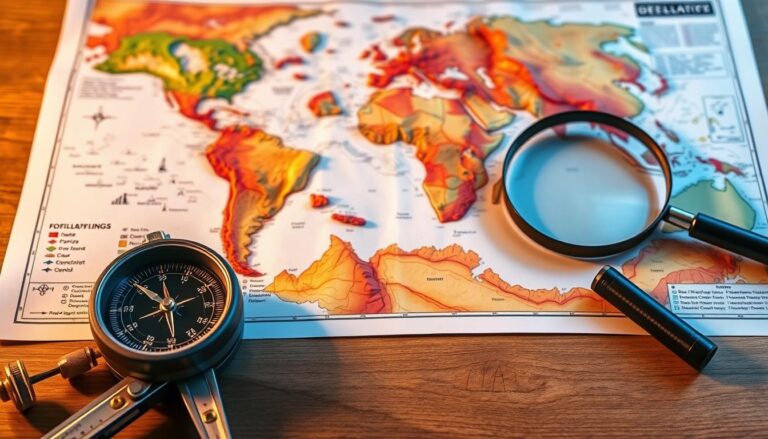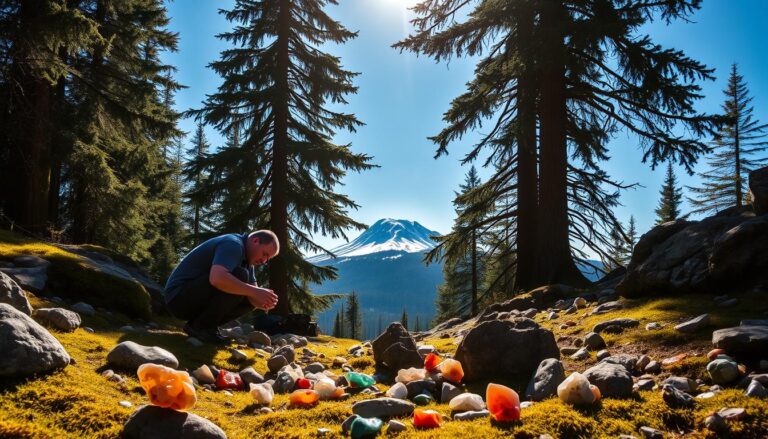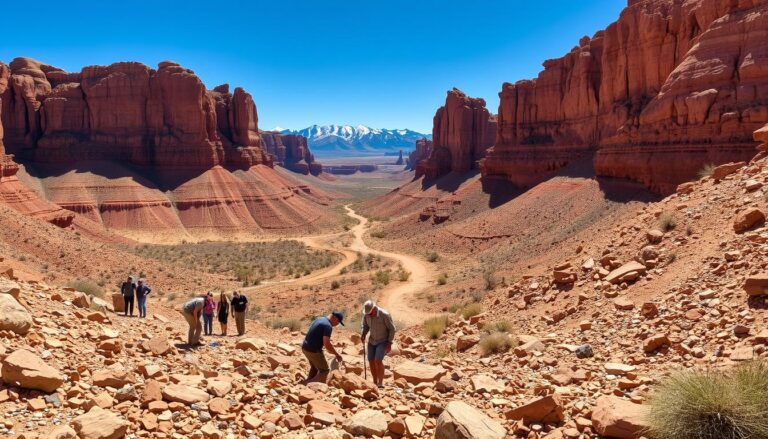
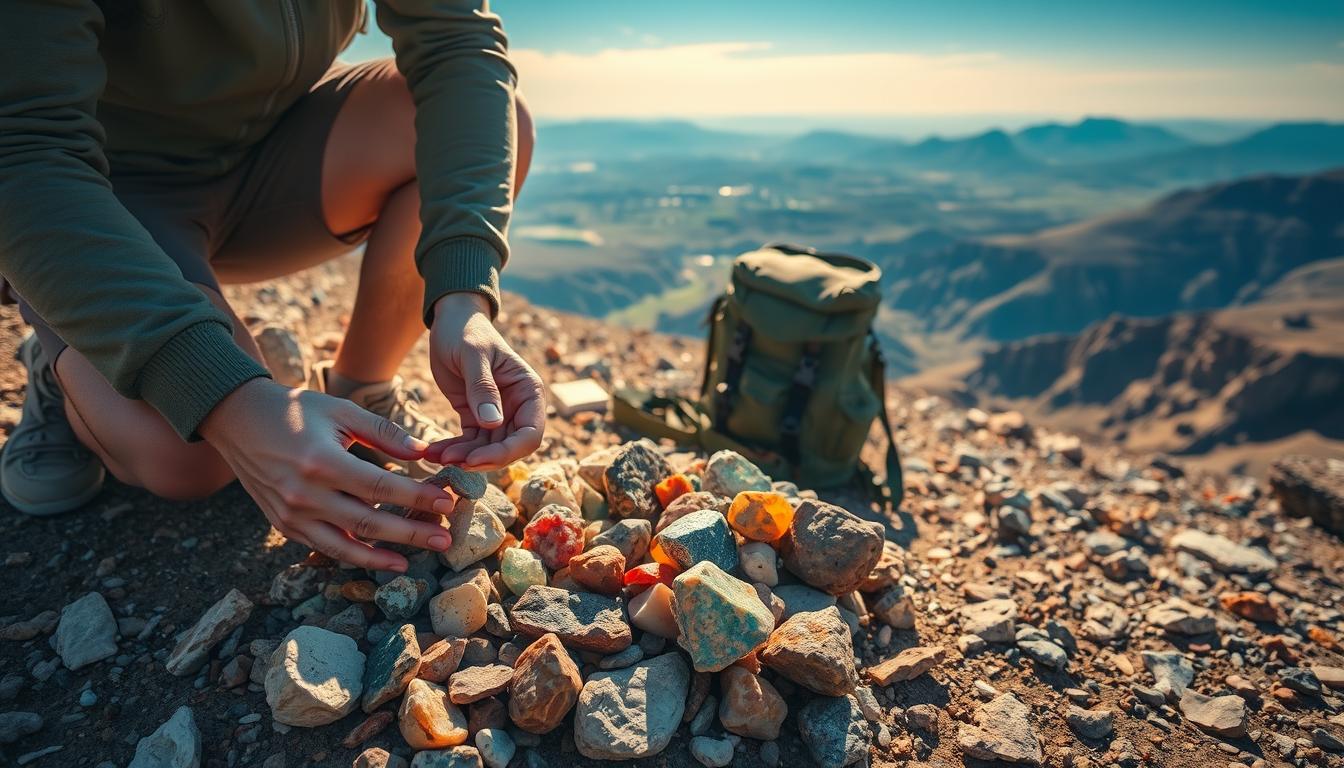
Rockhounding In The United States offers endless opportunities to discover amazing minerals, fossils, and gemstones across diverse landscapes. From the beaches of California to the mountains of Montana, each region provides unique geological treasures waiting to be found by amateur and experienced collectors alike.
Whether you’re searching for agates along the Oregon coast or hunting for garnets in the Adirondack Mountains, the hobby combines outdoor adventure with the thrill of discovery. Many locations allow free collecting on public lands, while others offer fee-based sites with guided experiences and guaranteed finds.
TL;DR
- Over 2,000 documented rockhounding locations exist across all 50 states, with Montana, Arizona, and California leading in variety.
- Public lands managed by the Bureau of Land Management allow up to 25 pounds of rocks per person per day for personal use.
- Fee dig sites charge $15-50 per day and often provide tools, with some guaranteeing specific finds like diamonds or garnets.
- Peak collecting season runs April through October when weather conditions are most favorable for outdoor exploration.
Rockhounding In The United States: Getting Started
The United States contains some of the world’s most diverse geological formations, creating perfect conditions for rockhounding enthusiasts. Each state offers different types of specimens, from volcanic glass in the West to ancient fossils in the Midwest.
Before heading out, research your target location’s rules and regulations. National parks generally prohibit collecting, but national forests, BLM lands, and state parks often welcome rockhounds with proper permits.
Essential Equipment for Rock Collecting
Basic rockhounding requires minimal investment in tools and safety gear. Our complete rockhounding checklist provides detailed guidance, but start with these fundamental items before expanding your collection:
- Rock hammer – Choose a 16-20 oz geological pick for breaking specimens.
- Safety glasses – Protect your eyes from flying rock chips during extraction.
- Collection bags – Use canvas or burlap sacks to transport finds safely.
- Field notebook – Record location, date, and specimen details for future reference.
- GPS device – Mark productive locations for return visits.
- First aid kit – Handle minor cuts and scrapes common during collecting.
Top Rockhounding Destinations by Region
Different regions of the United States excel in specific types of geological specimens. Understanding these patterns helps you plan targeted collecting trips for desired materials.
Western States: Volcanic Treasures
The volcanic activity across the western United States created exceptional conditions for unique specimens. Oregon’s Crater Lake area produces stunning obsidian, while Nevada offers world-class turquoise deposits.
California’s beaches yield beautiful agates and jasper, especially after winter storms expose new materials. Montana’s Glacier National Park surroundings contain excellent garnet specimens in easily accessible creek beds.
Southeastern States: Fossil Paradise
The Southeast excels in fossil collecting due to ancient sea beds and sedimentary rock formations. Florida’s Peace River produces shark teeth, while North Carolina’s mountains contain excellent mineral specimens.
Georgia offers sapphires in the northern counties, and Tennessee provides agate nodules along many creek systems. These areas often combine rockhounding with family-friendly camping and hiking opportunities.
Great Lakes Region: Ancient Geology
The Great Lakes region showcases some of North America’s oldest geological formations. Michigan’s Upper Peninsula produces beautiful agates along Lake Superior’s shoreline, while Minnesota offers similar specimens.
Wisconsin contains excellent geode formations, and Ohio provides numerous fossil-collecting opportunities in limestone quarries. Many of these locations offer easy access and minimal hiking requirements.
Research Property Ownership First
Always verify land ownership and collecting permissions before exploring any rockhounding location. Trespassing charges can result in significant fines and legal complications.
Legal Considerations and Collecting Ethics
Responsible rockhounding requires understanding and following federal, state, and local regulations. Different land management agencies maintain varying rules about specimen collection and removal.
Federal lands managed by the Bureau of Land Management typically allow personal collecting up to reasonable limits. However, wilderness areas, national parks, and some national monuments prohibit all specimen removal.
Collecting Permits and Regulations
Many locations require permits or charge fees for rockhounding activities. These regulations help preserve natural resources while allowing sustainable collecting practices.
- Research regulations. Contact land management agencies before visiting any collecting site.
- Obtain required permits. Some areas require advance registration or fee payment.
- Follow quantity limits. Most public lands limit collecting to 25 pounds per person per day.
- Respect private property. Always obtain written permission before collecting on private land.
- Leave no trace. Fill holes, pack out trash, and minimize environmental impact.
Commercial Fee Dig Sites
Fee dig sites offer guaranteed collecting opportunities with provided tools and expert guidance. These commercial operations maintain productive areas specifically for public rockhounding experiences.
Popular fee sites include diamond mines in Arkansas, garnet locations in Montana, and sapphire operations in North Carolina. Many provide washing and identification services to help visitors understand their finds.
Benefits of Paid Collecting Sites
- Guaranteed access – No concerns about private property or changing regulations.
- Tools provided – Most sites supply basic digging and screening equipment.
- Expert guidance – Staff members help identify specimens and suggest techniques.
- Facilities available – Restrooms, parking, and sometimes food service on-site.
- Weather protection – Some locations offer covered digging areas.
Safety Considerations for Rock Collecting
Rockhounding involves inherent risks that require proper preparation and safety awareness. Remote locations, unstable terrain, and tool usage create potential hazards for unprepared collectors.
Weather conditions can change rapidly in mountainous areas, while desert locations present heat and dehydration risks. Always follow essential safety practices and inform someone of your planned route and expected return time before departing.
Essential Safety Practices
- Check weather forecasts – Avoid collecting during severe weather warnings.
- Bring adequate water – Carry more than you think you’ll need, especially in desert areas.
- Wear appropriate clothing – Long pants and closed-toe shoes protect against cuts and scrapes.
- Travel with companions – Solo collecting increases risks in remote areas.
- Carry communication devices – Cell phones or satellite communicators for emergencies.
- Know your limits – Don’t attempt dangerous climbs or unstable terrain access.
Frequently Asked Questions
Do I need special permits for rockhounding on public lands?
Most BLM and Forest Service lands allow casual collecting without permits for personal use up to 25 pounds per day. However, some areas require registration or have seasonal restrictions.
What’s the difference between rockhounding and mineral collecting?
Rockhounding encompasses collecting rocks, minerals, fossils, and gemstones as a hobby. Mineral collecting specifically focuses on crystalline specimens and often involves more scientific classification.
Can I sell rocks I find while rockhounding?
Selling specimens collected from public lands is generally prohibited and requires commercial permits. Fee dig sites usually allow sales of your finds, but verify policies before collecting.
How do I identify rocks and minerals I find?
Use field guides, mobile apps, and local rockhound club expertise to identify specimens. Our guide on how to identify rocks in the field provides detailed techniques, and many universities and museums also offer identification services for unusual finds.
What time of year is best for rockhounding?
Spring through fall offers the best conditions in most regions, with April through October being peak season. Winter collecting is possible in southern states but requires extra preparation for weather.
Final Thoughts
Rockhounding In The United States provides an exciting way to explore the country’s geological diversity while building a unique collection of natural specimens. Each region offers distinct opportunities, from beach collecting in California to mountain prospecting in Colorado.
Start with local locations to develop your skills and knowledge before planning longer collecting expeditions. Join local rockhound clubs to learn from experienced collectors and discover productive sites in your area.