Rockhounding Utah offers some of the best mineral collecting opportunities in the United States, with diverse geology that produces everything from precious gemstones to unique fossils. The state’s varied landscape includes desert regions, mountain ranges, and ancient lake beds that have created perfect conditions for finding valuable specimens.
Whether you’re a beginner looking for your first finds or an experienced collector seeking rare minerals, Utah’s public lands and designated collecting areas provide endless opportunities. Many locations require no permits and welcome visitors year-round, similar to other excellent rockhounding destinations across the United States.
TL;DR
- Over 15 public rockhounding sites in Utah allow free collecting without permits, including Topaz Mountain and Antelope Island.
- Red beryl, found only in Utah’s Wah Wah Mountains, sells for $1,000+ per carat making it rarer than diamonds.
- Spring and fall offer the best collecting conditions with temperatures between 50-70°F and fewer crowds at popular sites.
- Basic tools like a rock hammer, chisel, and safety glasses cost under $50 and handle 90% of Utah collecting situations.
Rockhounding Utah: Top Locations and What You’ll Find
Utah’s geological diversity stems from millions of years of volcanic activity, sedimentary deposits, and mineral-rich solutions that created some of North America’s most productive collecting areas. The state sits at the intersection of several major geological provinces, each contributing unique specimens to the rockhound’s toolkit.
Public lands managed by the Bureau of Land Management and Forest Service allow recreational collecting in most areas, though some restrictions apply near wilderness areas and archaeological sites. Before exploring any site, it’s essential to thoroughly research rockhounding locations and check current regulations, as rules can change seasonally.
Topaz Mountain
Located in Juab County, Topaz Mountain produces high-quality topaz crystals in shades of clear, amber, and blue that rival specimens from famous localities worldwide. The best collecting happens in rhyolite cavities and along fracture zones where crystals formed in gas pockets millions of years ago.
Collectors typically find crystals ranging from thumbnail size to several inches long, with the largest specimens commanding premium prices among mineral dealers. The site requires a moderate hike but rewards visitors with consistent finds throughout the year.
Antelope Island State Park
This Great Salt Lake location offers excellent collecting for oolitic limestone, fossils, and unique salt formations that tell the story of ancient Lake Bonneville. The island’s exposed shorelines reveal 15,000 years of geological history in easily accessible outcrops.
Park entry requires a small fee, but the diverse collecting opportunities include brachiopods, gastropods, and distinctive “ooids” – small spherical grains that formed in shallow, agitated waters. The park’s museum provides helpful identification resources for finds.
Essential Tools and Safety Gear
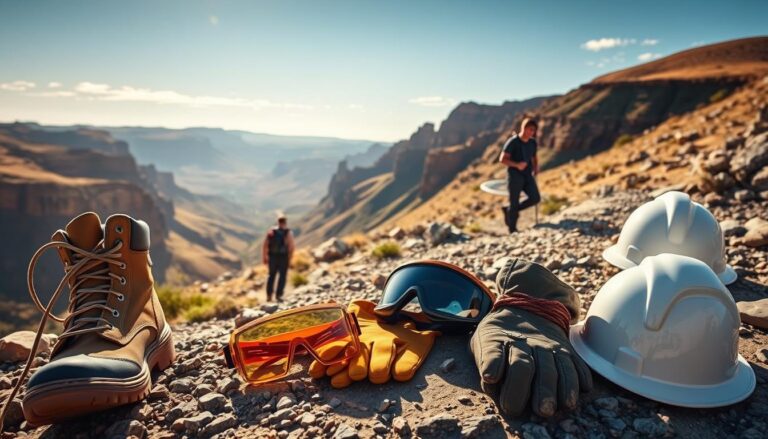
Successful rockhounding in Utah requires basic tools that can handle the state’s varied rock types and collecting conditions. Most sites feature hard volcanic rocks or dense sedimentary formations that need proper equipment to access safely. A complete rockhounding checklist can help ensure you have everything needed for a successful trip.
- Rock hammer – 16-20 oz weight handles most Utah rock types effectively.
- Cold chisels – Various sizes for splitting rocks and extracting crystals.
- Safety glasses – Mandatory protection from rock chips and dust.
- Work gloves – Heavy leather prevents cuts from sharp edges.
- Collection bags – Sturdy canvas or mesh bags for transporting specimens.
- GPS device – Many sites lack clear landmarks or cell coverage.
Desert locations require additional sun protection, extra water, and first aid supplies since help may be hours away. Weather conditions can change rapidly in mountain areas, so layered clothing and emergency gear prove essential for safety. Following proper rockhounding safety guidelines is crucial for any collecting expedition.
Rare Minerals and Valuable Specimens
Utah produces several minerals found nowhere else on Earth, making it a destination for serious collectors and researchers. The state’s unique geology creates conditions that concentrate rare elements into collectible crystals and formations.
Red Beryl
Also called bixbite, red beryl occurs only in Utah’s Wah Wah Mountains and Thomas Range in quantities that make it one of the world’s rarest gemstones. Quality specimens command thousands of dollars per carat, exceeding diamond prices for comparable material.
Commercial mining operations control the best deposits, but rockhounds occasionally find small crystals in surrounding areas. Even tiny fragments have value among collectors due to the mineral’s extreme scarcity.
Variscite
Utah’s state gem, variscite, forms in distinctive green masses that Native Americans used for jewelry and tools for thousands of years. The Lucin area produces the finest specimens, characterized by bright green color and excellent polish potential.
Modern collectors prize variscite for its beauty and historical significance, with museum-quality pieces bringing premium prices at gem and mineral shows. The mineral’s relative softness makes it excellent for beginning lapidary work.
Best Collecting Times
Plan rockhounding trips for early morning or late afternoon when temperatures stay comfortable and lighting helps spot specimens. Avoid midday heat in summer and check weather forecasts for sudden mountain storms.
Fossils and Paleontological Sites
Utah’s fossil record spans hundreds of millions of years, from ancient marine creatures to dinosaur remains that attract collectors and researchers worldwide. Many formations allow legal collecting of common specimens while protecting scientifically significant finds.
The state’s position at the edge of ancient seas created ideal preservation conditions for marine fossils, while later terrestrial environments preserved plant and animal remains from multiple geological periods. Collectors can find specimens representing nearly every major group of ancient life.
Trilobites
Western Utah’s Wheeler Formation produces world-class trilobite fossils that museums and private collectors prize for their exceptional preservation and diversity. Over 40 species occur in the area, ranging from common forms to rare varieties found nowhere else.
Commercial operations extract the finest specimens, but patient collectors can find quality trilobites in the surrounding areas with proper techniques and persistence. The fossils require careful preparation but reward skilled collectors with museum-worthy specimens.
Plant Fossils
Coal-bearing formations throughout Utah contain fossil leaves, seeds, and wood from ancient forests that thrived millions of years ago. These sites provide excellent opportunities for beginners to practice collecting and identification skills.
The best plant fossil locations occur near old mining areas where coal operations exposed fossil-bearing layers. Collectors should respect private property and obtain permission before accessing former mining sites.
Legal Considerations and Land Access
Understanding land ownership and collecting regulations prevents legal issues and protects collecting opportunities for future rockhounds. Utah’s mix of public and private lands requires careful research before visiting any collecting site.
Federal lands generally allow casual collecting of common minerals and rocks for personal use, while state and private lands may have different restrictions. National parks prohibit all collecting, and some wilderness areas have specific limitations on tools and group sizes.
- Public domain lands – Usually allow casual collecting without permits.
- National forests – Permit personal collecting with some tool restrictions.
- State parks – Vary by location; check specific park regulations.
- Private property – Requires explicit landowner permission.
- Mining claims – Prohibited access without claim holder permission.
Some valuable minerals like gemstones may require special permits or have quantity limitations even on public lands. Research current regulations through the appropriate land management agency before collecting.
Frequently Asked Questions
What’s the best time of year for rockhounding in Utah?
Spring (April-May) and fall (September-October) offer the most comfortable collecting conditions with moderate temperatures and clear weather. Summer can be extremely hot in desert areas, while winter may make mountain sites inaccessible.
Do I need permits to collect rocks and minerals in Utah?
Most public lands allow casual collecting without permits for personal use, but some areas require special permission or have quantity limits. Always check with the local land management agency before collecting.
Can I sell minerals I find while rockhounding in Utah?
Personal collecting for occasional sales is usually permitted on public lands, but commercial operations require special permits and fees. Check regulations carefully if you plan to sell finds regularly.
What safety precautions should I take when rockhounding in Utah?
Always wear safety glasses and gloves, carry extra water and sun protection, inform others of your plans, and avoid collecting alone in remote areas. Weather conditions can change rapidly, especially in mountain locations.
Where can I identify minerals I find while rockhounding in Utah?
Local rock and mineral clubs, university geology departments, and mineral dealers can help identify specimens. Many clubs hold monthly meetings with identification sessions for members and visitors.
Final Thoughts
Rockhounding Utah provides endless opportunities for collectors of all skill levels to find unique specimens in some of North America’s most productive geological settings. The state’s diverse landscape and mineral-rich formations offer everything from common collectibles to world-class rarities.
Start with easily accessible locations like Topaz Mountain or Antelope Island to develop your skills and knowledge before tackling more challenging remote sites. Join local rock clubs to connect with experienced collectors who can share site information and identification expertise, and consider learning proper rock identification techniques to make the most of your finds.